
Introduction
Agriculture has always been one of the most important industries worldwide, providing food, materials, and economic opportunities for millions of people. However, agricultural activities also generate large amounts of residual materials every year, including straw, crop shells, stalks, and other organic by-products.
For a long time, many agricultural residues were considered waste. Some were burned in open fields, creating environmental concerns, while others were simply discarded without generating additional value. With the development of renewable energy technologies, these materials have become valuable resources that can be transformed into biomass fuel.
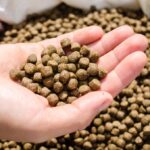
Pellet production provides an effective solution for converting loose agricultural waste into dense, clean, and transportable fuel. Through crushing, drying, compression, and cooling processes, agricultural residues can be transformed into standardized pellets suitable for heating systems, industrial boilers, and energy production facilities.
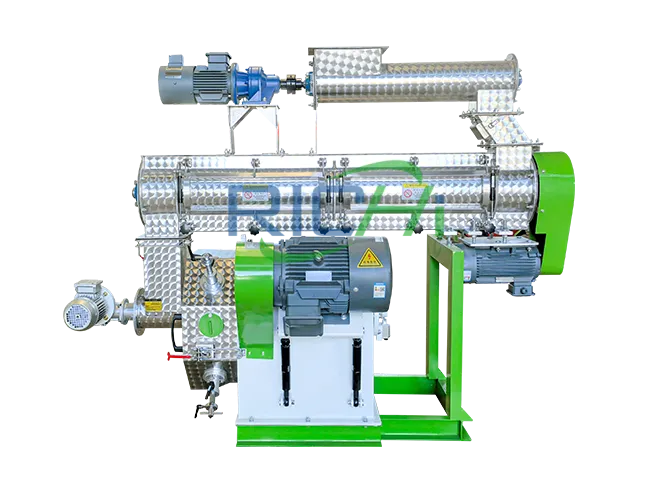
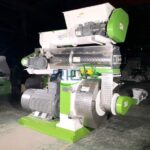
In Germany and other European countries, the demand for efficient biomass processing solutions continues to grow. Companies looking to establish reliable production facilities often evaluate advanced equipment such as a pellet mill germany system to improve production efficiency and create stable renewable fuel products.
The Hidden Value of Agricultural Waste
Every year, agricultural industries produce enormous amounts of biomass residues.
Common agricultural materials include:
- Wheat straw
- Corn stalks
- Rice husks
- Sunflower shells
- Sugarcane residues
- Peanut shells
- Other crop processing by-products
These materials contain significant energy potential. However, their original form creates several challenges.
Low Density
Raw agricultural residues usually have low density, making transportation expensive.
For example, loose straw occupies a large storage area while containing relatively limited energy value per volume.
Pelletizing solves this problem by compressing materials into high-density fuel products.
Difficult Storage
Agricultural waste often contains moisture and organic components that can create storage problems.
Without proper treatment, materials may experience:
- Mold growth
- Quality degradation
- Increased transportation losses
Pellet production improves storage stability by reducing moisture and creating uniform products.
Limited Direct Applications
Although agricultural residues contain energy, they cannot always be directly used in conventional combustion systems.
Pellet processing improves:
- Fuel consistency
- Combustion efficiency
- Handling convenience
How Agricultural Residues Become Biomass Pellets
The transformation from agricultural waste to renewable fuel requires several important production stages.
Step 1: Raw Material Collection
The first stage involves collecting and preparing biomass resources.
A stable supply chain is essential for commercial pellet production.
Companies need to consider:
- Seasonal availability
- Transportation distance
- Storage conditions
- Material quality
A reliable raw material supply helps maintain continuous production.
Step 2: Crushing and Size Reduction
Agricultural residues often have irregular shapes and large particle sizes.
Crushing equipment reduces materials into smaller particles suitable for pelletizing.
Proper particle size improves:
- Material flow
- Compression performance
- Pellet strength
Different materials may require different crushing strategies.
For example:
- Straw may need specialized processing.
- Hard agricultural shells may require stronger crushing systems.
- Fibrous materials may require additional preparation.
Step 3: Moisture Adjustment
Moisture content is one of the most important factors affecting pellet quality.
If the material is too wet:
- Compression becomes difficult.
- Energy consumption increases.
- Pellet durability decreases.
If the material is too dry:
- More pressure may be required.
- Production efficiency may decline.
Professional production systems carefully control moisture levels to achieve better results.
Step 4: Pellet Compression
During pelletizing, prepared biomass particles are compressed under high pressure.
The natural components inside biomass materials help particles bond together.
A high-quality compression system creates pellets with:
- Uniform size
- Strong durability
- Stable combustion performance
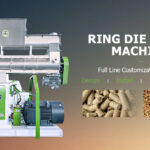
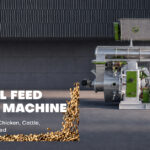
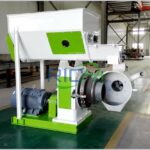
For businesses processing agricultural materials, choosing suitable equipment such as a commercial wood pellet maker can help improve production flexibility and meet different market requirements.
Why Germany Values Efficient Biomass Processing
Germany has developed a strong renewable energy industry supported by advanced technology and environmental policies.
Several factors make biomass pellet production attractive in the German market.
Strong Sustainability Goals
Germany continues to promote renewable energy development and resource efficiency.
Biomass utilization supports these goals by:
- Reducing waste
- Improving resource utilization
- Supporting cleaner energy production
Advanced Industrial Infrastructure
Germany has a mature industrial ecosystem, including:
- Engineering companies
- Agricultural industries
- Energy companies
- Manufacturing sectors
This creates favorable conditions for biomass projects.
Demand for Alternative Energy
Businesses and households are increasingly interested in renewable heating solutions.
High-quality biomass pellets can provide a practical alternative to traditional fuels.
Benefits of Establishing Agricultural Pellet Production Projects
Turning agricultural waste into pellets creates advantages for multiple industries.
Additional Revenue for Farmers
Farmers can generate extra income by selling agricultural residues instead of treating them as waste.
This creates a circular economic model.
New Opportunities for Rural Businesses
Small and medium enterprises can establish local pellet production facilities using nearby biomass resources.
These projects can support:
- Employment opportunities
- Local energy supply
- Rural economic development
Reduced Waste Management Pressure
Agricultural waste disposal can create environmental challenges.
Pellet production provides an alternative solution by converting waste into useful products.
Choosing the Right Pellet Production Equipment
Selecting suitable equipment is essential for project success.
Different businesses require different solutions depending on their goals.
Small Agricultural Operations
Small farms may focus on processing their own agricultural residues.
Their priorities usually include:
- Lower investment
- Easy operation
- Flexible production
Medium Production Businesses
Medium-sized companies often supply pellets to local markets.
They require equipment with:
- Stable output
- Good efficiency
- Reliable operation
Large Industrial Facilities
Large projects require complete production systems capable of continuous operation.
These systems usually include:
- Material preparation equipment
- Drying systems
- Pelletizing machines
- Cooling equipment
- Packaging systems
Companies often compare different suppliers through industry resources before selecting equipment. Some users may also check my source for additional technical information when evaluating production solutions.
The Role of Complete Pellet Production Systems
A successful pellet project depends on the coordination of multiple processes.
A complete system helps ensure:
Higher Production Efficiency
Integrated equipment reduces interruptions between different production stages.
Better Product Quality
Each process contributes to final pellet performance.
Easier Operation Management
Centralized control systems simplify daily operation.
A professional pellet machine for sale solution should not only provide equipment but also consider the complete production requirements of the customer.
Future Development of Agricultural Biomass Pellets
The agricultural pellet industry is expected to continue expanding as more businesses recognize the value of renewable resources.
Future trends include:
Wider Raw Material Applications
New technologies will allow more agricultural residues to be processed efficiently.
Potential materials include:
- Fruit processing waste
- Food industry residues
- Various crop by-products
Improved Automation
Smart systems will make production more efficient by monitoring:
- Equipment conditions
- Production data
- Energy usage
Higher Quality Standards
As international markets develop, pellet producers will need to focus more on:
- Consistent quality
- Lower emissions
- Reliable supply
Conclusion
Agricultural waste is no longer just a disposal challenge. With modern pellet technology, these materials can become valuable renewable fuel resources.
From farms to industrial energy companies, biomass pellet production creates opportunities to improve resource utilization, reduce waste, and support sustainable development.
For businesses planning renewable energy projects, selecting suitable equipment, understanding raw material characteristics, and building efficient production systems are essential steps.
As demand for clean energy continues to grow, agricultural biomass pellets will play an increasingly important role in the transition toward a more sustainable energy future.
Related Post: https://pelletizerequipment.com/sawdust-pellet-machine-for-sale/