Aquaculture has become one of the most important food production industries worldwide. With increasing global demand for fish, shrimp, and other aquatic products, the aquaculture sector continues to expand rapidly. As more farmers move toward intensive and commercial farming systems, the demand for high-quality aquatic feed is also increasing.
Feed is one of the most critical factors affecting aquaculture profitability. It directly influences animal growth speed, feed conversion ratio, production costs, and farming efficiency. For this reason, the aquatic feed production industry has attracted increasing attention from investors, agricultural entrepreneurs, and existing feed manufacturers.
Starting an aquatic feed production business can be profitable when supported by proper market analysis, reliable raw material supply, efficient production technology, and effective business management. Unlike simply selling raw agricultural products, feed manufacturing creates additional value by transforming various ingredients into specialized products with higher market demand.
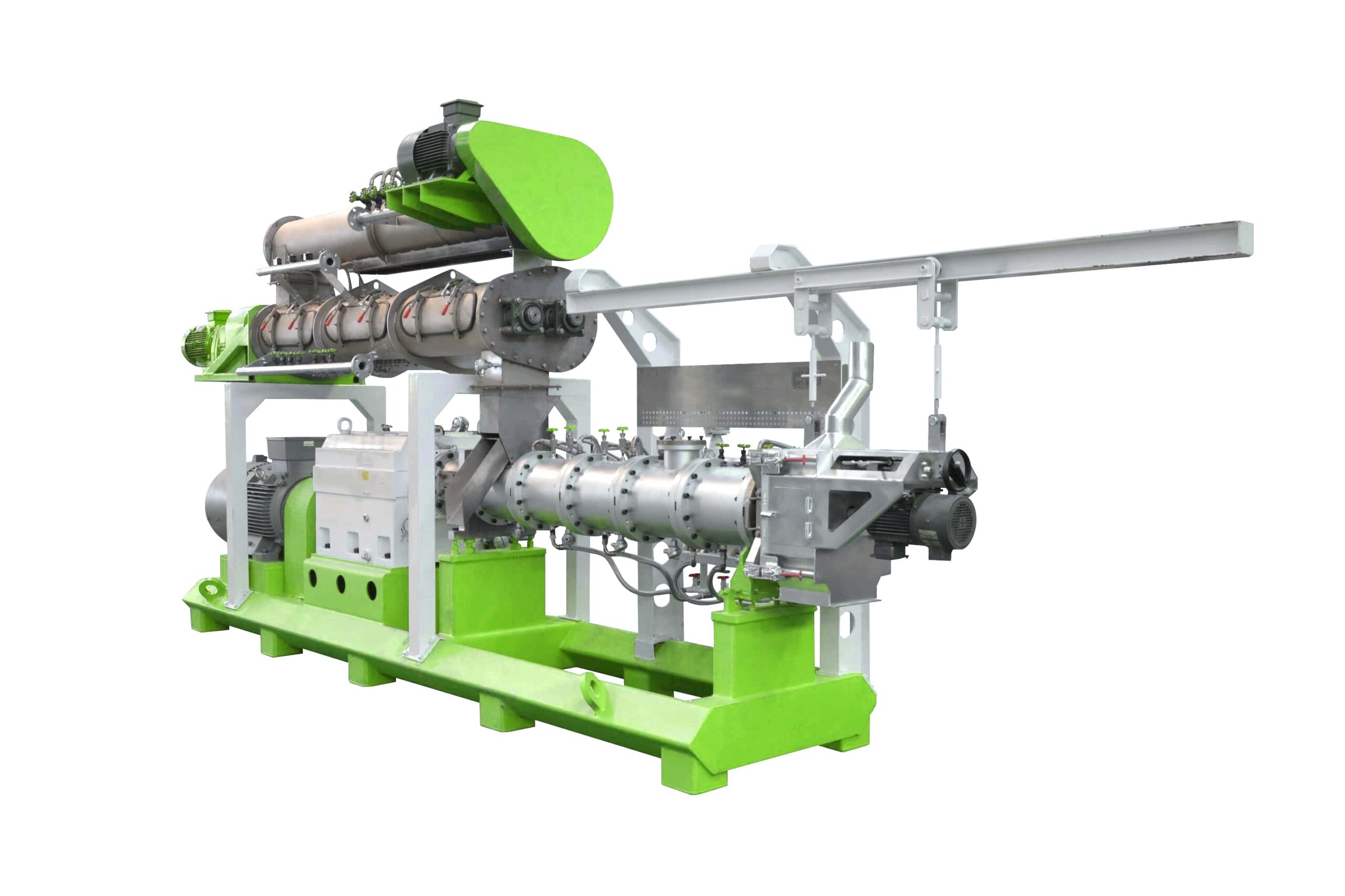
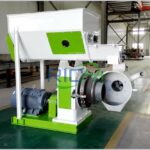
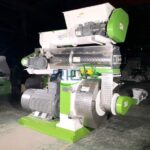
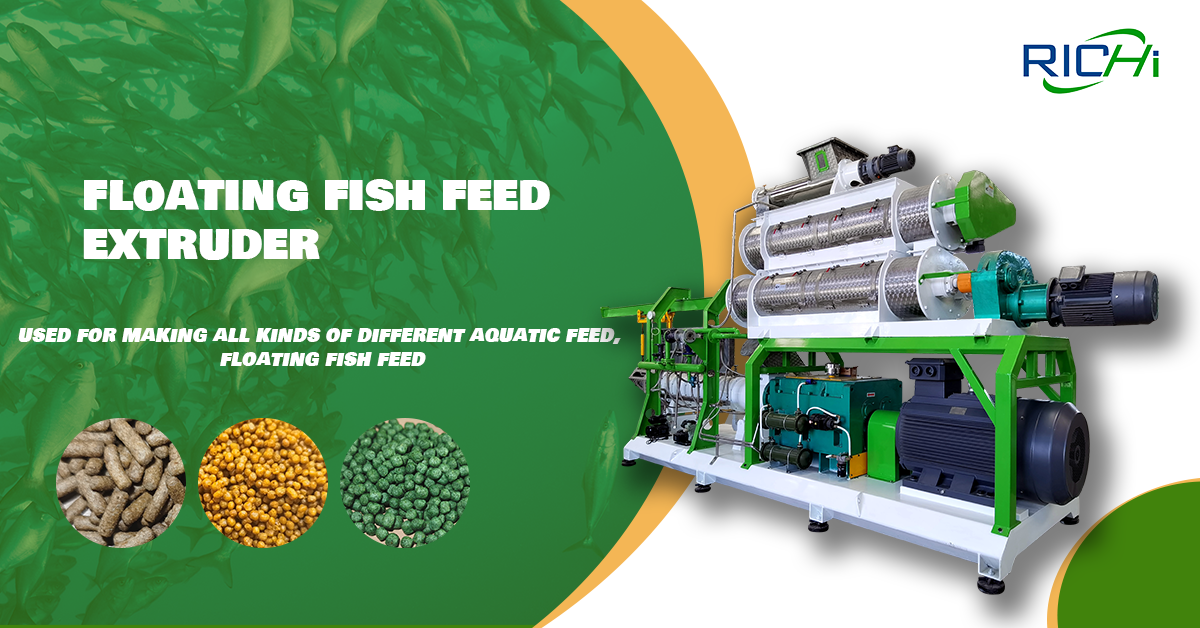
Modern aquatic feed factories rely on advanced processing equipment to produce floating, sinking, and slow-sinking feed pellets. Among these technologies, the floating aquatic feed extruder plays a key role in manufacturing high-quality floating pellets with excellent water stability, improved digestibility, and consistent performance.
Although establishing an aquatic feed production business requires investment, the long-term market potential, increasing demand, and technological development make it an attractive opportunity for companies that can provide reliable products and efficient solutions.
The Growing Demand for Aquatic Feed Creates Business Opportunities
The expansion of aquaculture is the main driving force behind the growth of the aquatic feed industry. As wild fish resources become limited and seafood consumption continues to rise, aquaculture has become an essential source of fish and aquatic products.
Modern fish farms increasingly rely on commercial feed instead of natural feeding methods because formulated feed provides:
- Balanced nutrition
- Faster growth
- Better feed utilization
- More predictable production results
This trend creates continuous demand for professional aquatic feed manufacturers.
Countries with developed aquaculture industries require large quantities of feed every year. Freshwater fish farming, shrimp farming, and marine aquaculture all depend on stable feed supplies.
For entrepreneurs, this means there is a growing market for:
- Floating fish feed
- Shrimp feed
- Specialty aquatic feed
- High-protein feed products
A well-established aquatic feed production business can serve local farmers, distributors, and commercial aquaculture companies, creating multiple revenue opportunities.
Why Aquatic Feed Production Can Be Profitable
Aquatic feed production has several characteristics that make it an attractive business opportunity.
High and Stable Market Demand
Feed is a necessary input for aquaculture operations. Farmers need feed throughout the entire production cycle, creating continuous demand.
Unlike seasonal agricultural products, feed sales can provide relatively stable income because farming activities require regular feeding.
Value Addition Through Processing
Raw materials such as soybean meal, corn, wheat, fish meal, and agricultural by-products usually have lower market value compared with finished feed products.
Through processing, manufacturers can transform these ingredients into specialized feed products with higher selling prices.
Opportunity for Customized Products
Different aquatic species require different nutritional formulas. Manufacturers that provide customized solutions can build stronger customer relationships and develop premium product lines.
Examples include:
- High-protein fish feed
- Shrimp feed with high water stability
- Feed for different growth stages
- Floating feed for surface-feeding species
Expansion Potential
An aquatic feed production business can gradually expand by:
- Increasing production capacity
- Adding new product categories
- Developing distributor networks
- Entering new markets
This scalability provides long-term growth opportunities.
Understanding the Investment Requirements
Although aquatic feed production can be profitable, investors need to understand the initial requirements before starting the business.
The main investment areas include:
Production Facility
A suitable factory space is required for:
- Raw material storage
- Production equipment installation
- Finished product storage
- Packaging operations
The size of the facility depends on production capacity and business goals.
Production Equipment
A complete aquatic feed production line typically includes:
- Cleaning equipment
- Crushing machines
- Batching systems
- Mixing machines
- Conditioning systems
- Extrusion equipment
- Dryers
- Coolers
- Screening machines
- Packaging systems
The extrusion section is especially important because it determines pellet quality.
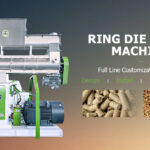
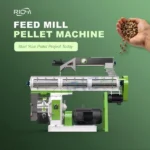
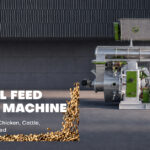
A floating aquatic feed extruder is commonly used to produce floating pellets by controlling temperature, pressure, and moisture during processing.
Raw Material Supply
Stable access to raw materials is essential for maintaining production costs and product quality.
Common ingredients include:
- Fish meal
- Soybean meal
- Corn
- Wheat flour
- Rice bran
- Vegetable protein sources
- Oils
- Vitamins and minerals
Establishing reliable supplier relationships helps improve profitability.
The Role of a Floating Aquatic Feed Extruder in Business Success
Equipment performance directly affects production efficiency and product competitiveness. Among all machines in an aquatic feed factory, the extrusion system is one of the most important components.
A floating aquatic feed extruder allows manufacturers to produce floating feed pellets with controlled density and excellent physical properties.
The advantages include:
Producing High-Quality Floating Feed
Floating pellets remain visible on the water surface, allowing farmers to monitor feeding behavior and reduce waste.
Improving Feed Efficiency
Extrusion improves starch digestibility and enhances nutrient utilization.
Supporting Different Product Types
By adjusting processing parameters and dies, manufacturers can produce various pellet sizes and formulas.
Increasing Market Competitiveness
High-quality floating feed can help manufacturers build a strong reputation among aquaculture farmers.
For businesses targeting commercial fish farms, investing in reliable extrusion technology is essential for maintaining consistent product quality.
https://richipelletizer.com/floating-fish-feed-extruder-machine
Factors That Affect the Profitability of Aquatic Feed Production
Although the industry has strong potential, profitability depends on several important factors.
Raw Material Costs
Raw materials usually represent the largest portion of production costs.
Profit margins can be improved by:
- Developing stable supplier relationships
- Optimizing formulas
- Using cost-effective ingredient combinations
Production Efficiency
Efficient production reduces manufacturing costs.
Automation, modern equipment, and optimized workflows help reduce:
- Labor expenses
- Energy consumption
- Production losses
Product Quality
Low-quality feed may lead to customer complaints and market loss.
Consistent pellet quality helps manufacturers maintain long-term customers.
Market Positioning
Companies that compete only through low prices may face pressure from competitors.
Instead, successful manufacturers often focus on:
- Product quality
- Technical support
- Customized solutions
- Reliable delivery
Choosing the Right Aquatic Feed Products to Manufacture
Product selection influences business profitability.
Floating feed is one of the most popular products because it provides advantages for many fish farming systems.
Benefits of floating feed include:
- Easy feeding management
- Reduced waste
- Better observation of fish feeding activity
- Improved water quality control
Other potential products include:
Shrimp Feed
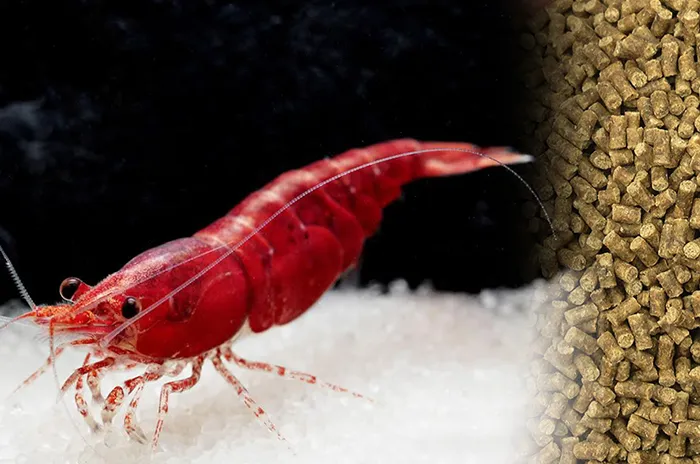
Shrimp farming requires feed with strong water stability and balanced nutrition.
(Learn more about shrimp feed pellet machine for sale)
Juvenile Fish Feed
Small fish require specialized feed with smaller pellet sizes and high nutrient density.
Premium Species Feed
High-value aquatic species may require specialized formulas that provide higher profit margins.
Manufacturers should select products based on local market demand and available resources.
Improving Profitability Through Production Automation
Automation is an important strategy for increasing efficiency and reducing costs.
Modern aquatic feed production lines can integrate automatic systems for:
- Ingredient weighing
- Material transportation
- Production monitoring
- Packaging
Benefits include:
Lower Labor Costs
Automation reduces dependence on manual operations.
Improved Product Consistency
Precise control ensures stable feed quality.
Higher Production Capacity
Continuous operation allows factories to meet larger orders.
Better Management
Digital monitoring systems help operators optimize production performance.
For commercial feed manufacturers, automation can significantly improve long-term profitability.
Marketing Strategies for an Aquatic Feed Production Business
Producing quality feed is only part of building a profitable business. Effective marketing and customer development are equally important.
Potential strategies include:
Building Relationships with Fish Farms
Direct cooperation with farmers provides stable sales channels.
Working with Distributors
Distributors can help expand regional market coverage.
Providing Technical Support
Helping farmers improve feeding results increases customer loyalty.
Developing a Strong Brand
A trusted brand creates long-term competitive advantages.
Companies that provide both products and technical solutions often achieve better market performance.
Challenges of Starting an Aquatic Feed Production Business
Like any manufacturing business, aquatic feed production has challenges.
Initial Investment
Equipment and factory construction require significant capital.
However, proper planning and selecting suitable production capacity can control investment risks.
Market Competition
The feed industry includes many established manufacturers. New businesses need clear market positioning.
Raw Material Price Fluctuation
Ingredient prices may change due to agricultural market conditions.
Efficient purchasing strategies and flexible formulas help reduce risks.
Technical Requirements
Producing high-quality feed requires knowledge of formulation, processing, and equipment operation.
Working with experienced machinery suppliers can help investors overcome technical challenges.
Future Outlook of the Aquatic Feed Industry
The future of aquatic feed production remains promising due to continued aquaculture growth and increasing demand for sustainable food sources.
Future development trends include:
- More automated feed factories
- Improved nutritional formulas
- Sustainable ingredients
- Energy-efficient equipment
- Smart production management
Manufacturers that adopt advanced technology and focus on product quality will have stronger opportunities in the future market.
The development of extrusion technology will also continue improving feed performance and production efficiency.
Conclusion: Is Aquatic Feed Production a Profitable Business?
Aquatic feed production can be a profitable business when investors have a clear strategy, reliable technology, and strong market understanding.
The increasing demand for aquaculture products creates a stable market for high-quality feed. By selecting suitable raw materials, optimizing production processes, and investing in advanced equipment such as a floating aquatic feed extruder, manufacturers can produce competitive feed products that meet the needs of modern fish farms.
Success in this industry depends on more than production capacity. Businesses must focus on feed quality, customer relationships, cost control, and continuous improvement.
With the continued expansion of global aquaculture, professional aquatic feed production has significant growth potential and can become a valuable long-term investment opportunity for entrepreneurs and agricultural businesses. (Richi Pellet Mill)