Rabbit farming has developed rapidly over the past decades as global demand for lean meat, laboratory animals, and small livestock production continues to grow. As farms scale up, feed quality becomes one of the most important factors determining productivity, animal health, and profitability. Because rabbits have sensitive digestive systems and require highly balanced nutrition, choosing the right rabbit feed pellet production system is essential for successful farming.
The “best” rabbit feed pellet production system is not simply a single machine. It is a complete, well-integrated process that combines raw material handling, precise formulation, grinding, mixing, pelletizing, drying, cooling, and packaging. At the center of this system is the rabbit pellet making machine, supported by a full livestock feed production line designed for efficiency, stability, and nutritional consistency.
This article explains what makes a rabbit feed pellet production system the best choice for modern farms and feed factories, and how each component contributes to high-quality feed production.
1. Understanding What “Best” Means in Rabbit Feed Production
Before evaluating equipment, it is important to understand what defines the “best” rabbit feed production system. In industrial agriculture, the best system is not the cheapest or the simplest—it is the one that achieves:
- Stable feed quality
- High production efficiency
- Low energy consumption
- Minimal feed waste
- Strong pellet durability
- Accurate nutritional formulation
- Easy operation and maintenance
- Long-term profitability
For rabbit farming specifically, pellet quality is critical. Rabbits require high-fiber diets with balanced protein and minerals. If feed is inconsistent, animals may suffer digestive issues, reduced growth rates, or even mortality. Therefore, a high-quality production system must ensure uniform pellets in every batch.
2. Overview of a Complete Rabbit Feed Pellet Production System
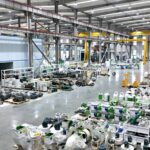
The best rabbit feed production system is typically a fully automated livestock feed production line, which includes:
- Raw material storage and conveying
- Grinding system
- Mixing system
- Conditioning system
- Pelletizing system (rabbit pellet making machine)
- Drying system
- Cooling system
- Screening system
- Packaging system
Each stage is interconnected and designed to work continuously. The goal is to ensure that raw agricultural materials are transformed into safe, nutritious, and durable rabbit feed pellets.
3. Raw Material Selection and Storage System
A high-performance system begins with proper raw material management. Common ingredients for rabbit feed include:
- Alfalfa meal
- Timothy grass powder
- Wheat bran
- Corn meal
- Soybean meal
- Rice bran
- Vitamin and mineral premixes
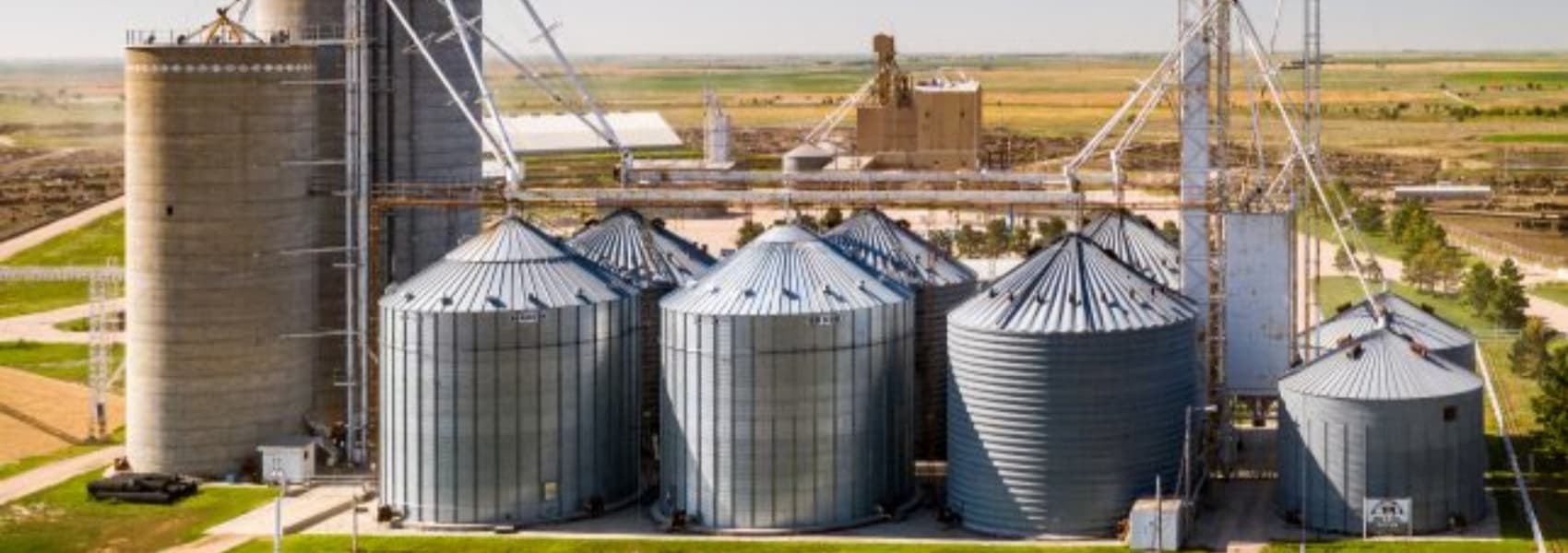
The best livestock feed production line includes automated silos and conveying systems that store raw materials safely and transport them without contamination.
Key advantages of advanced storage systems include:
- Reduced human handling
- Protection from moisture and pests
- Improved production hygiene
- Accurate batching control
Proper storage ensures consistent feed quality from the beginning.
4. Grinding System: The Foundation of Feed Quality
Grinding is one of the most important steps in rabbit feed production. Rabbits require finely ground feed to ensure easy digestion and nutrient absorption.
A hammer mill is commonly used in high-quality systems to reduce raw materials into fine particles.
A good grinding system provides:
- Uniform particle size
- Improved feed digestibility
- Better pellet formation
- Reduced energy waste in digestion
In the best rabbit feed production systems, particle size is carefully controlled to ensure optimal performance in the rabbit pellet making machine.
5. Mixing System: Ensuring Nutritional Precision
After grinding, materials are transferred into a mixing system. This stage ensures that all nutrients are evenly distributed.
Modern mixers in a livestock feed production line can handle both macro and micro ingredients, including:
- Protein sources
- Fiber materials
- Vitamins
- Amino acids
- Mineral supplements
- Liquid additives (oils, molasses)
The best systems use double-shaft paddle mixers or ribbon mixers for high efficiency.
Key benefits include:
- Homogeneous feed composition
- Stable nutritional balance
- Reduced risk of nutrient deficiency
- Improved pellet consistency
Without proper mixing, even the best pellet machine cannot produce high-quality rabbit feed.
6. Conditioning System: Preparing Feed for Pelletizing
Conditioning is a crucial stage before pelletizing. Steam and moisture are added to soften the material and activate natural binding properties.
A good conditioning system improves:
- Pellet hardness
- Binding efficiency
- Starch gelatinization
- Digestibility
- Machine efficiency
In advanced systems, conditioning is integrated directly into the rabbit pellet making machine, ensuring continuous processing without interruptions.
7. Pelletizing System: The Core of the Production Line
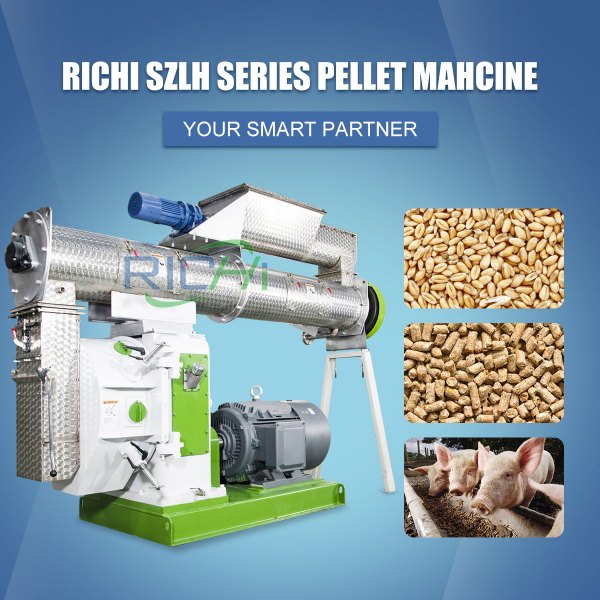
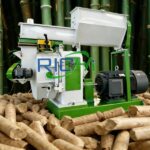
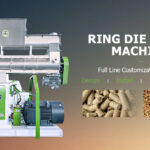
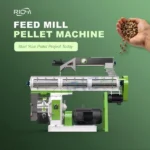
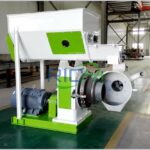
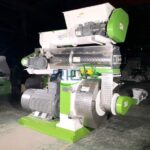
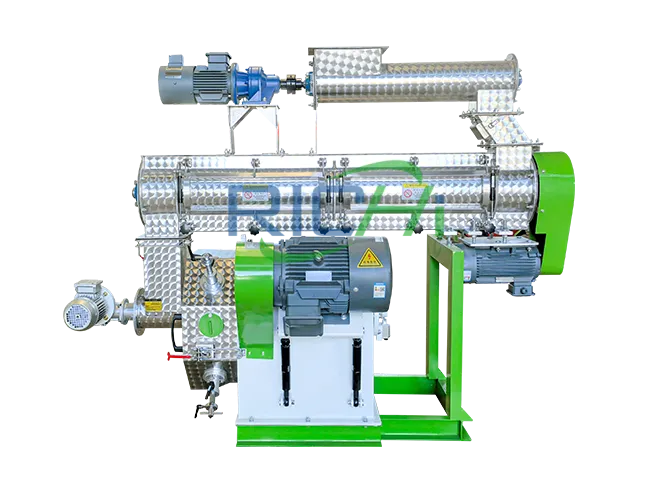
At the heart of the entire process is the rabbit pellet making machine. This is the most important equipment in the system because it determines pellet quality, durability, and feeding performance.
How the rabbit pellet making machine works
Inside the machine:
- Conditioned feed enters the pellet chamber
- Rollers press material through a die
- High pressure and friction generate heat
- Material is compressed into uniform pellets
- Pellets are cut to required length
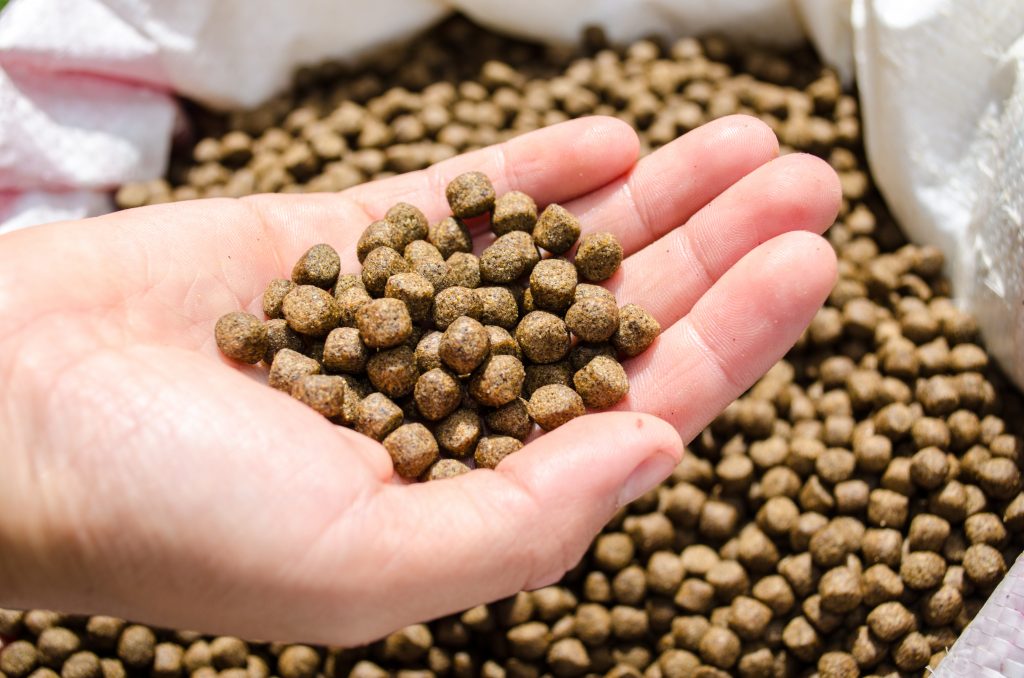
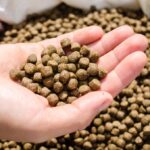
The result is dense, uniform rabbit feed pellets.
https://pelletisingmachine.com/rabbit-feed-pellet-making-machine
8. Why Pellet Feed Is Ideal for Rabbits
The rabbit pellet making machine produces feed that is specially designed for rabbit digestion.
Benefits of pellet feed include:
- Prevents selective feeding
- Reduces feed waste
- Ensures balanced nutrition in every bite
- Improves digestion and absorption
- Enhances growth performance
- Reduces dust-related respiratory issues
Rabbits tend to pick selective ingredients when feed is loose, but pellets eliminate this problem completely.
9. Drying System: Improving Shelf Life and Stability
After pelletizing, feed contains moisture that must be reduced.
The drying system ensures:
- Long shelf life
- Prevention of mold growth
- Stable pellet structure
- Safe storage conditions
Proper drying is essential for maintaining feed quality during transportation and storage.
10. Cooling System: Strengthening Pellet Durability
Fresh pellets are hot and fragile after drying. Cooling systems reduce temperature and stabilize structure.
Cooling ensures:
- Stronger pellet hardness
- Reduced breakage
- Improved packaging quality
- Better transportation performance
Counterflow coolers are widely used in the best livestock feed production line systems due to their efficiency.
11. Screening System: Ensuring Final Quality
Screening machines remove:
- Broken pellets
- Dust particles
- Oversized materials
Only uniform pellets move to packaging. This ensures consistent quality and improves customer satisfaction.
12. Packaging System: Final Stage of Production
Packaging is the last step in the production line. Automatic packing machines weigh and seal pellets into bags.
Benefits include:
- Accurate weight control
- Moisture protection
- Easy transportation
- Commercial presentation
This step completes the livestock feed production line process.
13. Automation: The Key Feature of the Best Systems
The best rabbit feed production systems are fully automated. PLC control systems manage:
- Raw material feeding
- Mixing ratios
- Pellet machine operation
- Temperature and moisture control
- Production speed
- Packaging process
Automation provides:
- Higher efficiency
- Lower labor costs
- Stable product quality
- Reduced human error
14. Energy Efficiency and Cost Optimization
Modern systems are designed to reduce energy consumption through:
- High-efficiency motors
- Optimized gear systems
- Intelligent control systems
- Reduced friction design
This helps feed factories improve profitability while reducing operational costs.
15. Flexibility of the Livestock Feed Production Line
One major advantage of a modern livestock feed production line is its flexibility. It can produce:
- Rabbit feed
- Chicken feed
- Duck feed
- Pig feed
- Sheep feed
- Cattle feed
However, rabbit feed requires more precise fiber control and pellet density adjustment compared to other feeds.
16. Maintenance and Long-Term Reliability
To ensure long-term performance, regular maintenance is essential:
- Cleaning pellet dies
- Replacing worn rollers
- Lubricating bearings
- Checking motors and belts
- Calibrating mixers
Proper maintenance ensures stable production and extends machine lifespan.
17. Economic Benefits of the Best Production System
A high-quality rabbit feed production system offers:
- Lower feed production cost
- Higher production efficiency
- Reduced waste
- Improved product value
- Strong market competitiveness
Investing in a complete system often pays back quickly due to improved efficiency.
18. Future Trends in Rabbit Feed Production Technology
The future of rabbit feed manufacturing is moving toward:
- Fully intelligent production lines
- AI-based feed formulation
- Real-time quality monitoring
- Energy-saving technologies
- Eco-friendly manufacturing systems
These innovations will further improve efficiency and sustainability.
Conclusion
The best rabbit feed pellet production system is a fully integrated and automated process built around the rabbit pellet making machine and supported by a complete livestock feed production line. It ensures consistent nutrition, high pellet quality, efficient production, and long-term economic benefits.
By combining advanced grinding, mixing, pelletizing, drying, cooling, and packaging technologies, modern feed systems provide a reliable solution for commercial rabbit farming. As global demand for rabbit products continues to rise, investing in a high-quality production system is one of the most effective ways to ensure profitability and sustainability in the livestock industry.