Introduction
Aquaculture has become one of the most important sources of animal protein worldwide. As the demand for fish, shrimp, and other aquatic products continues to grow, farmers are increasingly relying on high-quality feed to maximize production efficiency and profitability. Feed plays a crucial role in determining the growth rate, health status, feed conversion ratio, and overall performance of aquatic animals.
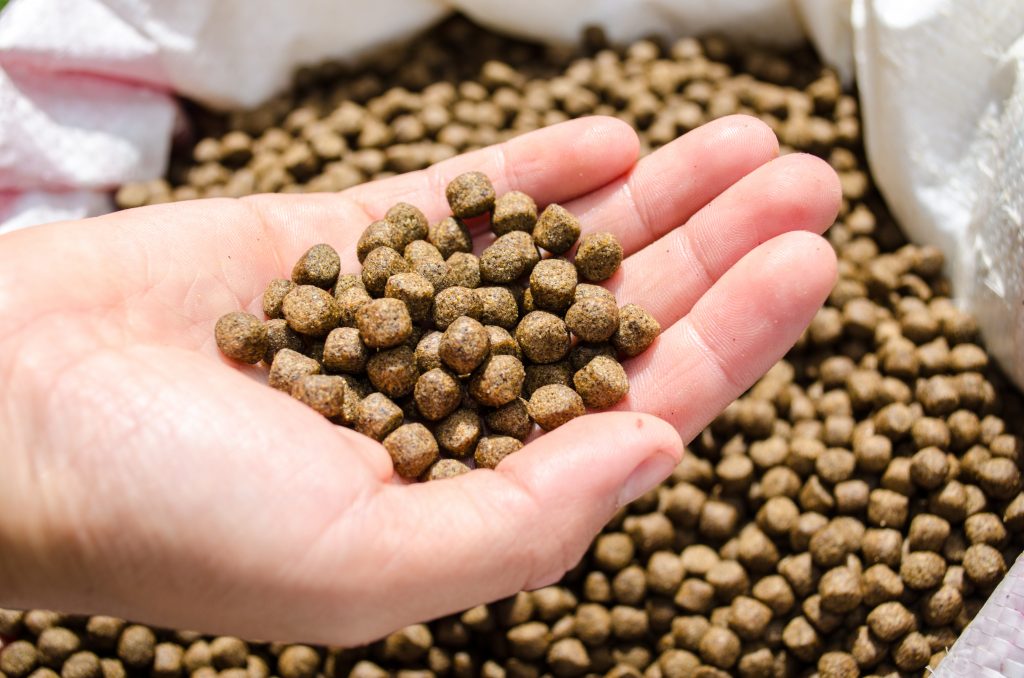
To meet the nutritional requirements of various species, feed manufacturers employ advanced production technologies and carefully controlled processing methods. The aquatic feed manufacturing process is a systematic operation that transforms raw ingredients into nutritionally balanced and physically stable feed pellets suitable for fish and shrimp farming.
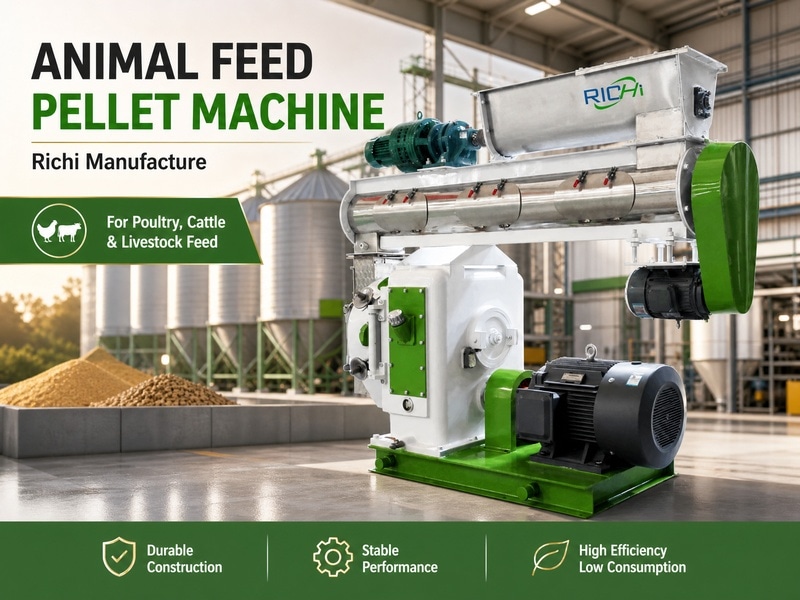
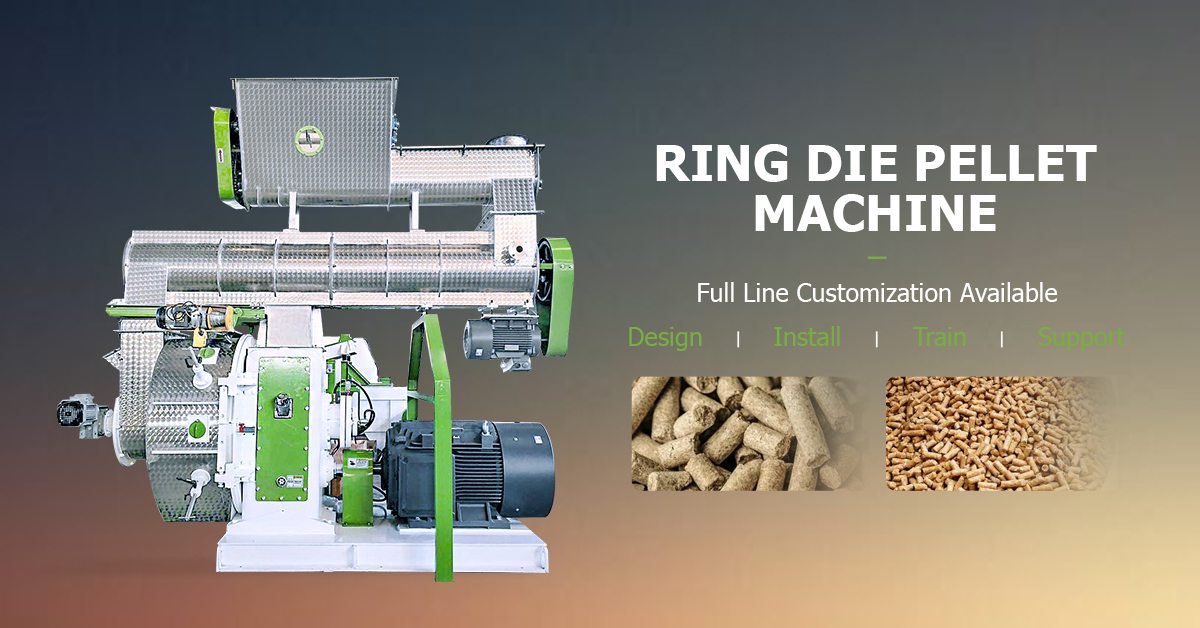
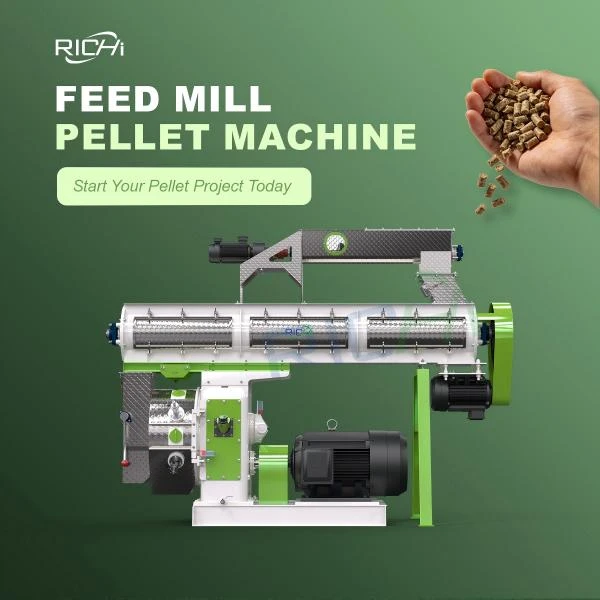
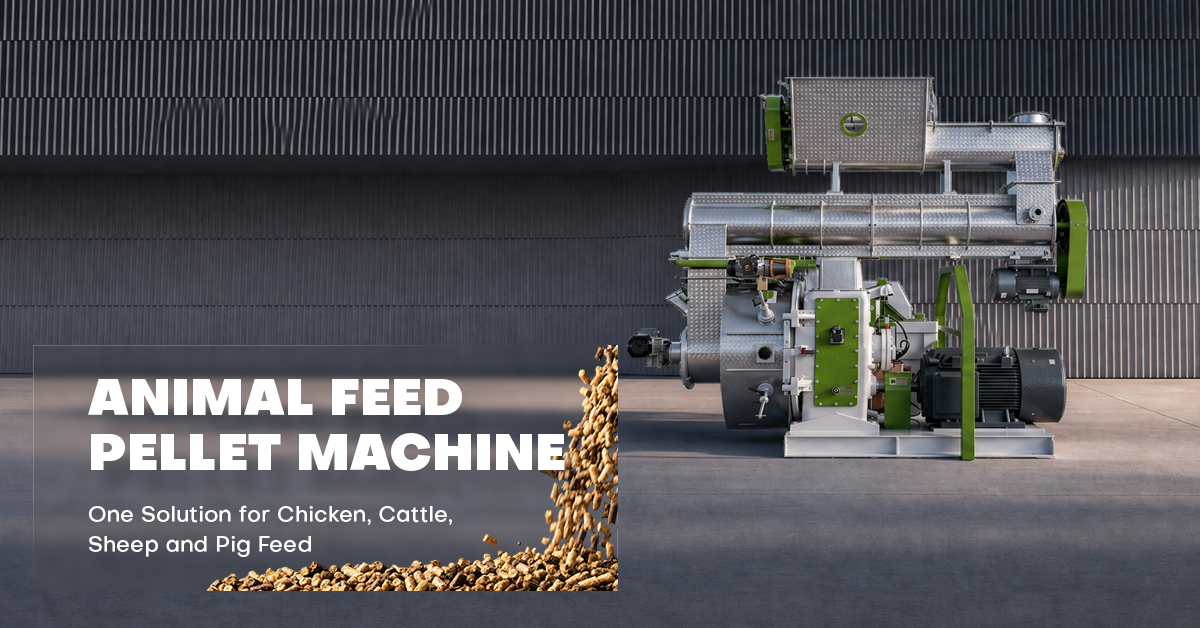
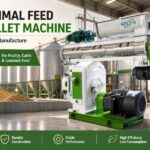
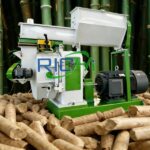
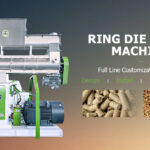
From raw material selection to packaging, every stage of production contributes to the quality of the final product. Equipment such as the fish pellet machine plays a central role in shaping and producing durable feed pellets that meet industry standards.
This article provides a detailed overview of the aquatic feed manufacturing process and explains how modern feed production supports efficient and sustainable aquaculture.
Understanding Aquatic Feed Manufacturing
Aquatic feed manufacturing refers to the industrial process of producing feed specifically designed for aquatic animals such as:
- Tilapia
- Catfish
- Carp
- Salmon
- Trout
- Shrimp
- Crabs
- Marine fish species
Unlike livestock feed, aquatic feed must meet additional requirements. Pellets often need to float, sink slowly, or remain stable underwater for extended periods without disintegrating. They must also contain precise nutrient levels that support rapid growth and healthy development.
Modern aquatic feed production combines nutrition science, engineering technology, and quality control systems to create feed products that maximize farming performance.
Step 1: Raw Material Selection
The first stage of aquatic feed manufacturing involves selecting suitable raw materials.
Feed ingredients must provide the necessary nutrients while maintaining cost-effectiveness and availability. Common raw materials include:
Protein Sources
Protein is one of the most important nutrients in aquatic feed.
Typical protein ingredients include:
- Fish meal
- Soybean meal
- Corn gluten meal
- Cottonseed meal
- Rapeseed meal
- Poultry by-product meal
Protein supports muscle development, tissue repair, and overall growth.
Energy Sources
Energy ingredients help fish perform metabolic functions and maintain healthy growth.
Common energy sources include:
- Wheat flour
- Corn
- Rice bran
- Cassava flour
- Vegetable oils
Functional Additives
Modern aquatic feeds often contain additional ingredients such as:
- Vitamins
- Minerals
- Amino acids
- Probiotics
- Enzymes
- Antioxidants
These additives improve digestion, immunity, and feed efficiency.
Raw material quality directly affects feed performance, making ingredient selection a critical part of the manufacturing process.
Step 2: Raw Material Cleaning and Storage
Before production begins, raw materials undergo cleaning and inspection.
The cleaning process removes:
- Stones
- Metal fragments
- Dust
- Foreign materials
Magnetic separators are often installed to remove metal contaminants that could damage processing equipment.
After cleaning, ingredients are stored in dedicated silos or warehouses under controlled conditions. Proper storage prevents:
- Moisture absorption
- Mold growth
- Nutrient degradation
- Pest infestation
Maintaining ingredient quality during storage helps ensure consistent feed production.
Step 3: Grinding
The next step in aquatic feed manufacturing is grinding.
Grinding reduces raw materials into fine particles using hammer mills or pulverizers. Particle size is especially important in aquatic feed because fish and shrimp often require highly digestible feed.
The benefits of fine grinding include:
Improved Nutrient Availability
Smaller particles increase the surface area available for digestion, allowing aquatic animals to absorb nutrients more efficiently.
Better Mixing Performance
Uniform particle size helps ingredients blend evenly during the mixing process.
Enhanced Pellet Quality
Fine particles contribute to stronger pellet structure and improved water stability.
For larval and juvenile feeds, extremely fine grinding may be required to produce micro-sized feed particles.
Step 4: Ingredient Mixing
After grinding, ingredients are transferred to a mixer.
Mixing ensures that all components are distributed evenly throughout the feed formula.
During this stage, manufacturers carefully follow formulation recipes developed by nutritionists. Computer-controlled systems accurately weigh and combine ingredients according to predetermined specifications.
A properly mixed batch ensures that every pellet contains:
- Balanced protein levels
- Consistent energy content
- Uniform vitamin distribution
- Accurate mineral concentrations
Poor mixing can result in nutritional imbalances that negatively affect fish growth and health.
Step 5: Conditioning
Conditioning is a crucial preparation stage before pellet formation.
In the conditioner, steam is added to the feed mixture. Heat and moisture soften the ingredients and improve their physical properties.
Conditioning provides several benefits:
Improved Pellet Durability
Moisture and heat help bind feed particles together.
Better Starch Gelatinization
Gelatinized starch improves pellet strength and digestibility.
Enhanced Nutrient Utilization
Conditioned feed is easier for aquatic animals to digest.
Microbial Reduction
Steam treatment can reduce harmful microorganisms in the feed material.
The quality of conditioning significantly influences the performance of the final feed pellet.
Step 6: Pelletizing or Extrusion
This is the most important stage of aquatic feed manufacturing.
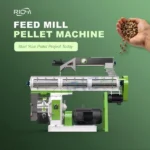
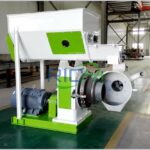
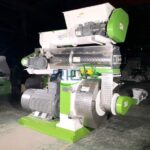
At this point, conditioned feed enters a fish pellet machine, where it is compressed and formed into pellets.
https://pelletisingmachine.com/fish-feed-pellet-making-machine
Depending on the type of feed being produced, manufacturers may use either pellet mills or extruders.
Pellet Mill Technology
Pellet mills compress feed through a die to produce dense sinking pellets.
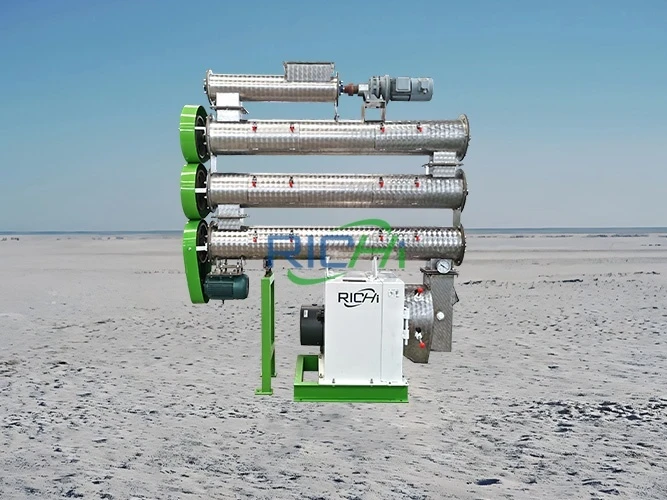
These pellets are commonly used for:
- Shrimp feed
- Carp feed
- Bottom-feeding fish species
Extrusion Technology
Extruders use heat, pressure, and mechanical shear to produce floating or slow-sinking feed.
Extruded feeds are widely used for:
- Tilapia
- Catfish
- Trout
- Ornamental fish
Modern fish pellet machine systems can produce pellets in various sizes ranging from less than 1 mm to more than 12 mm, depending on the target species.
The pelletizing stage largely determines pellet density, buoyancy, and durability.
Step 7: Drying
Freshly formed pellets contain relatively high moisture levels.
Excess moisture can lead to:
- Mold growth
- Nutrient loss
- Shortened shelf life
To prevent these issues, pellets are transferred to a dryer.
The drying process reduces moisture content to safe storage levels, typically around 10% to 12%.
Benefits of proper drying include:
- Improved product stability
- Extended shelf life
- Reduced microbial activity
- Enhanced transportation safety
Drying conditions must be carefully controlled to avoid damaging heat-sensitive nutrients.
Step 8: Cooling
After drying, pellets remain warm and must be cooled before storage or packaging.
Cooling serves several important functions:
Preventing Condensation
Warm pellets can create moisture when packaged, leading to spoilage.
Increasing Pellet Hardness
Cooling allows pellets to stabilize and maintain their structural integrity.
Improving Storage Performance
Properly cooled feed is less likely to deteriorate during transportation and storage.
Counterflow coolers are commonly used in modern aquatic feed plants because they provide efficient and uniform cooling.
Step 9: Screening
During handling and processing, some pellets may break or generate fine particles.
Screening equipment separates:
- Finished pellets
- Pellet fragments
- Dust particles
Oversized and undersized particles are often returned to the production process for reprocessing.
Screening ensures that only high-quality pellets reach the market.
Consistent pellet size improves feeding efficiency and customer satisfaction.
Step 10: Coating
In many aquatic feed formulations, valuable nutrients are added after pellet production.
Coating systems apply:
- Fish oil
- Vegetable oil
- Vitamins
- Pigments
- Functional additives
Vacuum coating technology is often used because it allows liquids to penetrate deep into the pellet structure.
Benefits of coating include:
- Higher energy content
- Improved palatability
- Enhanced nutrient retention
- Better fish performance
This step is particularly important for high-value aquaculture species.
Step 11: Quality Control
Quality control is integrated throughout the entire manufacturing process.
Feed manufacturers routinely test:
Physical Properties
- Pellet size
- Hardness
- Water stability
- Bulk density
Nutritional Composition
- Protein levels
- Fat content
- Fiber content
- Moisture levels
Microbiological Safety
- Salmonella testing
- Mold detection
- Pathogen monitoring
Strict quality control procedures ensure that feed products meet both regulatory requirements and customer expectations.
Step 12: Packaging and Storage
The final stage of aquatic feed manufacturing is packaging.
Feed pellets are packed into bags of various sizes depending on customer requirements.
Packaging materials are designed to:
- Protect feed quality
- Prevent moisture absorption
- Facilitate transportation
- Extend shelf life
After packaging, products are stored in clean, dry warehouses before distribution to fish farms and feed dealers.
Proper storage helps maintain feed quality until the product reaches the end user. (a knockout post)
The Importance of Fish Pellet Machines in Feed Production
Among all equipment used in aquatic feed manufacturing, the fish pellet machine is one of the most critical.
Modern fish pellet machines offer numerous advantages:
High Production Capacity
Commercial systems can produce several tons of feed per hour.
Flexible Pellet Sizes
Manufacturers can produce pellets suitable for fry, fingerlings, juveniles, and adult fish.
Improved Pellet Uniformity
Consistent pellet dimensions promote efficient feeding and growth.
Better Water Stability
Durable pellets reduce feed waste and water pollution.
Automation and Efficiency
Advanced control systems reduce labor costs and improve operational efficiency.
As aquaculture expands worldwide, the demand for reliable fish pellet machines continues to increase.
Future Trends in Aquatic Feed Manufacturing
The aquatic feed industry continues to evolve through technological innovation.
Emerging trends include:
Alternative Protein Sources
Manufacturers are exploring:
- Insect protein
- Algae protein
- Single-cell protein
- Fermented ingredients
Smart Manufacturing
Digital monitoring systems improve process control and product consistency.
Sustainable Production
Energy-efficient equipment reduces environmental impact.
Precision Nutrition
Advanced formulations optimize nutrient utilization and reduce waste.
Automated Feed Mills
Fully automated facilities increase productivity and maintain high quality standards.
These developments will help the aquaculture industry meet growing global seafood demand while improving sustainability.
Conclusion
The aquatic feed manufacturing process is a complex and highly controlled operation that transforms raw ingredients into nutritionally balanced feed products for fish and shrimp farming. From raw material selection and grinding to mixing, conditioning, pelletizing, drying, coating, and packaging, every stage contributes to feed quality and performance.
Modern production facilities rely heavily on advanced equipment such as the fish pellet machine to produce durable, uniform, and highly digestible feed pellets. These technologies help fish farmers improve growth rates, enhance feed conversion efficiency, reduce waste, and increase profitability.
As aquaculture continues to expand worldwide, efficient feed manufacturing will remain a cornerstone of sustainable seafood production. Through ongoing innovation and improved processing technologies, aquatic feed manufacturers will continue to support the future growth and success of the global aquaculture industry.