Planning a Large-Scale Animal Feed Mill
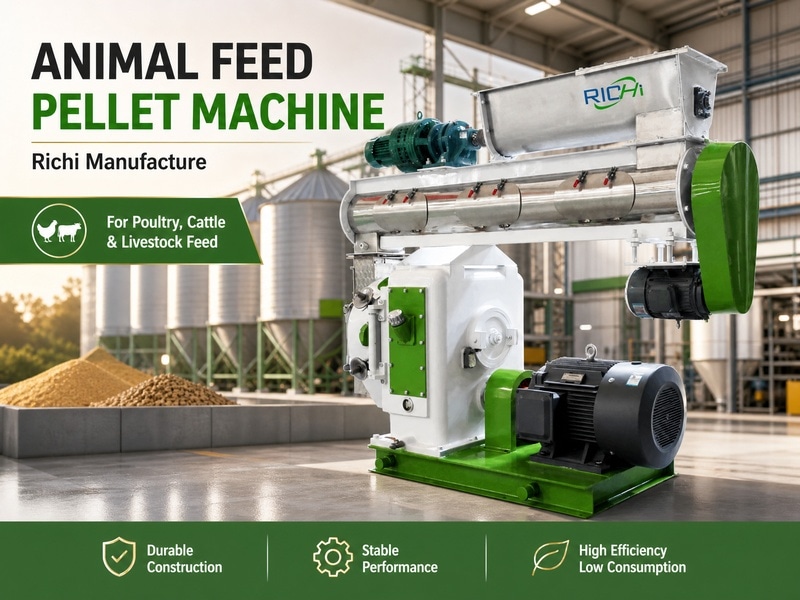
Large feed factories require much more than a powerful pellet mill. When production reaches a…
Large feed factories require much more than a powerful pellet mill. When production reaches a…
You do not need every product detail finalized before asking for an early pellet equipment…
Walk into a cattle feed production facility, and you’ll see a lot more than just…
The global search for renewable energy resources has encouraged industries to reconsider materials that were…
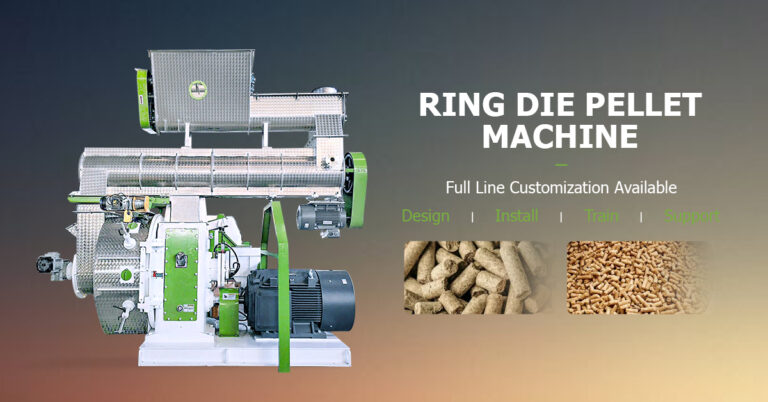
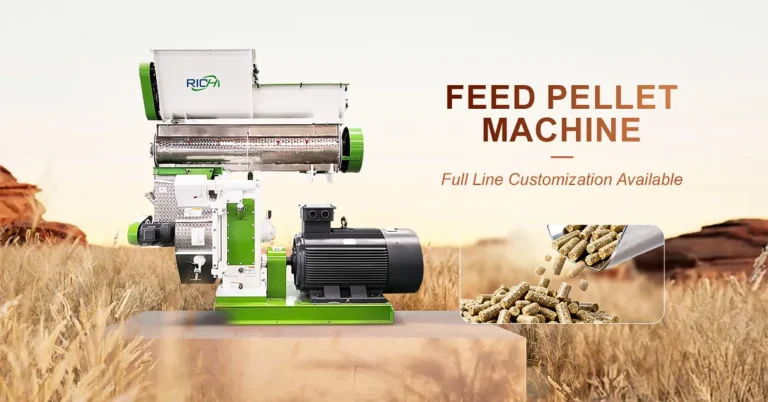
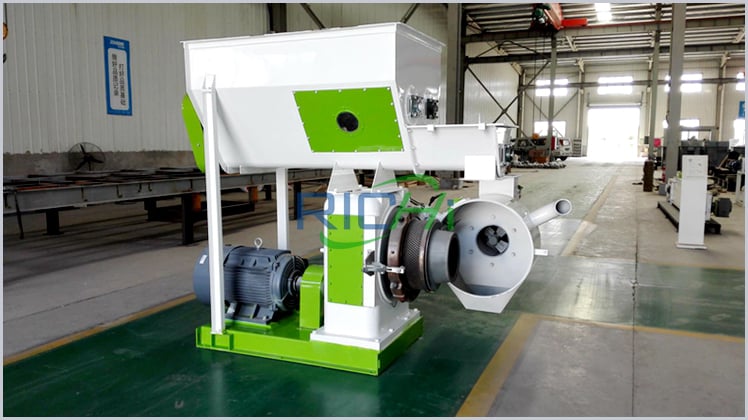
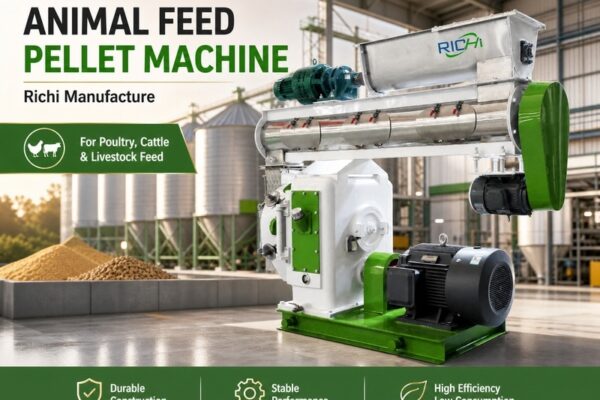
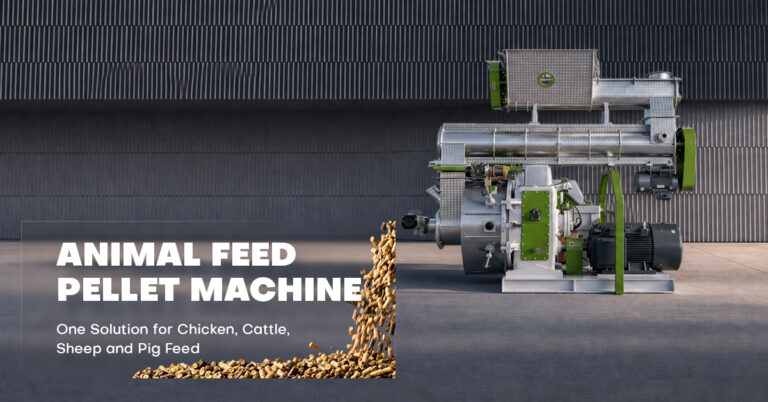
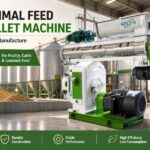
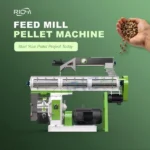
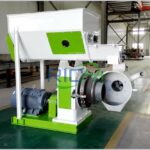
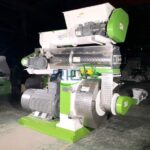
Large feed factories require much more than a powerful pellet mill. When production reaches a commercial scale, every stage of the process must be considered carefully, from raw material receiving and storage to final packaging. A large scale animal feed pellet machine is normally part of an integrated production system. Its capacity must match the…
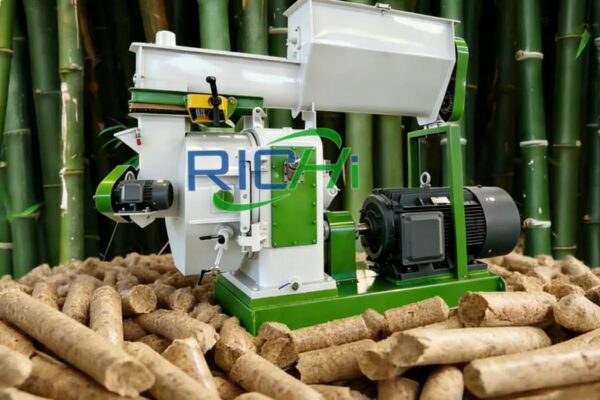
You do not need every product detail finalized before asking for an early pellet equipment budget, but the key pellet specifications should be defined before suppliers prepare final quotations or select major equipment. Pellet diameter, length, moisture, density, durability, fines, formulation, nutritional or fuel requirements, packaging, and applicable standards can influence the pellet mill, die,…
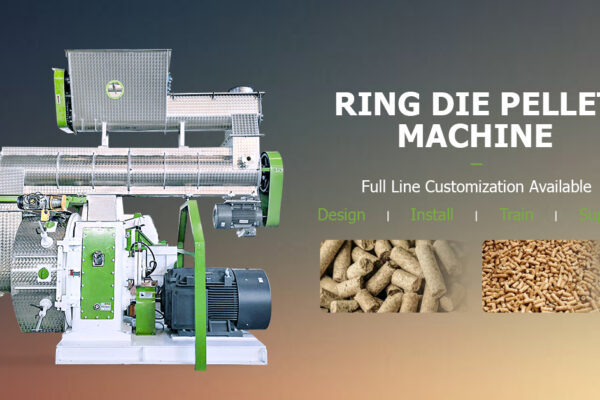
Walk into a cattle feed production facility, and you’ll see a lot more than just a pellet mill. There are bins for ingredients, conveyors moving material, mixers blending, conditioners steaming, coolers dropping temperature, and screens separating fines. It’s a system—a coordinated sequence of equipment that transforms raw ingredients into finished pellets. A complete cattle feed production…
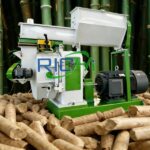
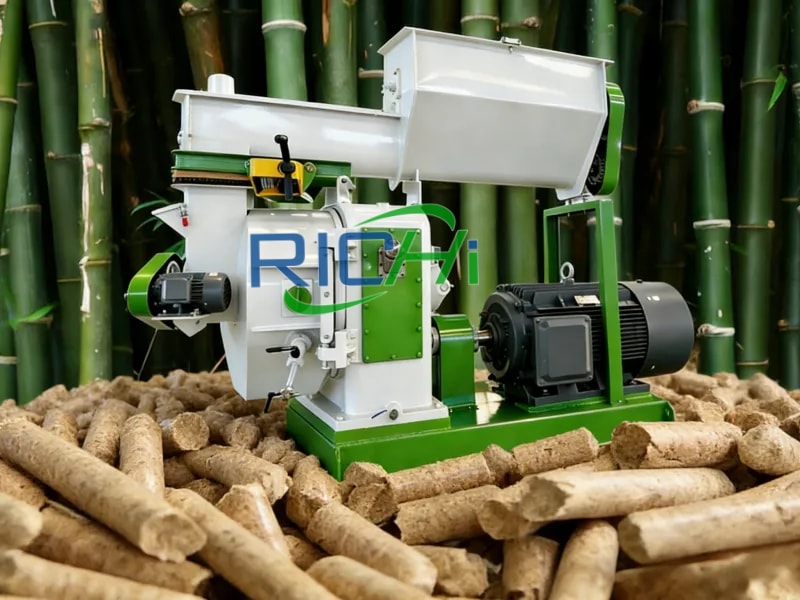
The global search for renewable energy resources has encouraged industries to reconsider materials that were previously treated as waste. Agricultural residues, forestry by-products, sawdust, crop stalks, and other forms of biomass are increasingly being evaluated for energy applications. Bamboo deserves a place in this discussion. It grows rapidly in many climates, can support a wide…
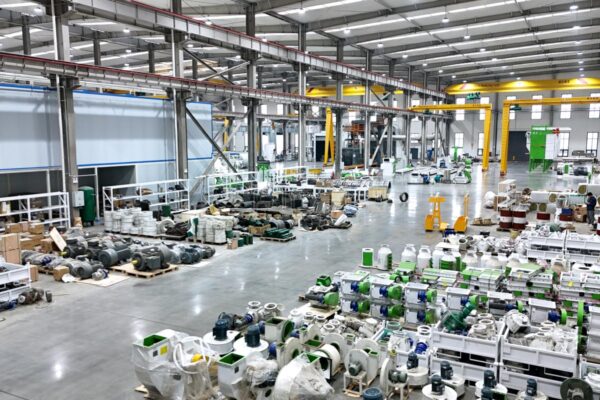
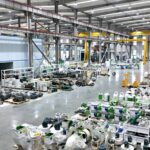
Direct answer: a pellet machine manufacturer’s workshop can reveal whether the supplier controls critical production processes, has the equipment and people to build the offered machine, uses traceable quality checks, and can handle project volume. It cannot alone prove ownership, annual sales, machine performance, or customer satisfaction. The best workshop review connects visible equipment and…
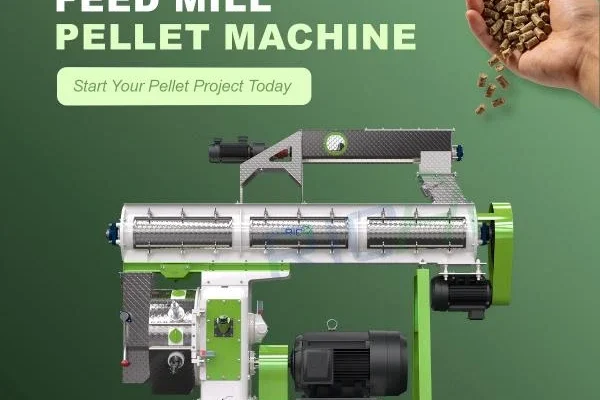
Poultry feed pellets are an important form of feed used in modern chicken farming. Compared with mash feed, pellets are easier to transport, store, handle, and distribute. They can also help reduce feed waste and ingredient separation while providing poultry with a more consistent mixture of nutrients. But what exactly is the process of making…
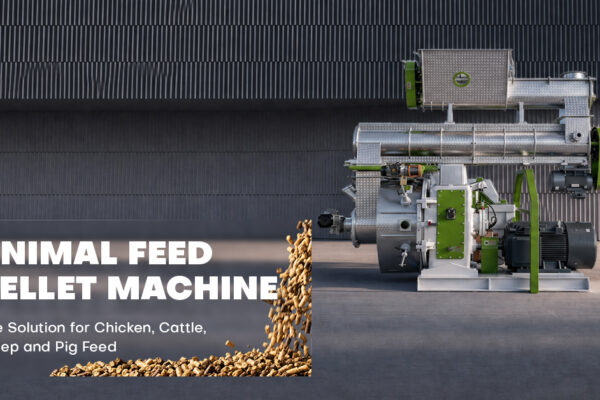
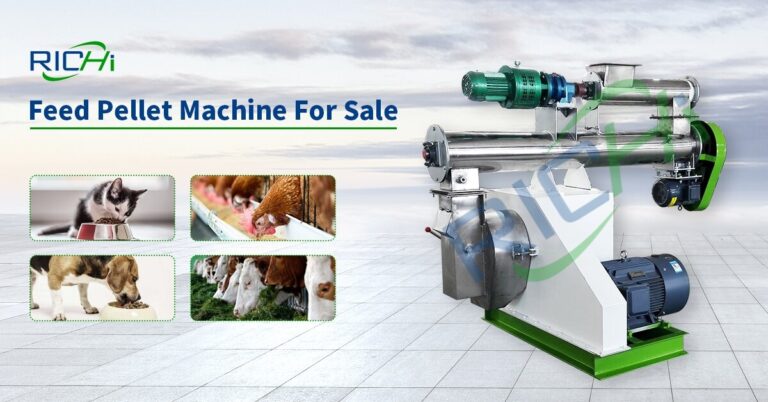
When planning a feed production project, capacity is usually one of the first specifications discussed. Buyers often compare machines according to tons per hour and naturally assume that higher output means better business potential. But the relationship is not that simple. A larger feed mill can produce more feed, but it also requires more raw…
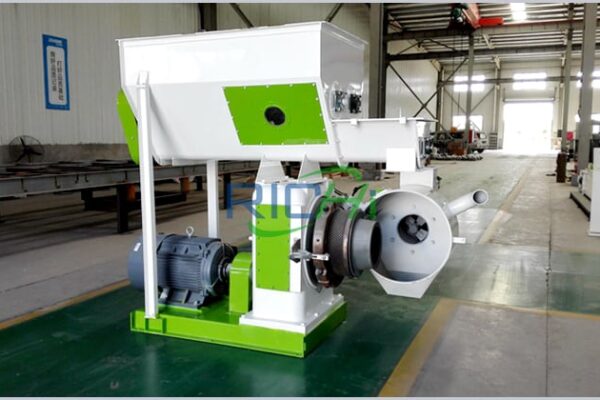
For decades, poultry manure was viewed primarily as a disposal problem—an inevitable byproduct of production that required management, storage, and application to nearby cropland. The rising costs of transportation, tightening environmental regulations, and growing public scrutiny of agricultural odors have changed this perspective dramatically. Producers who once paid to have manure hauled away are now…
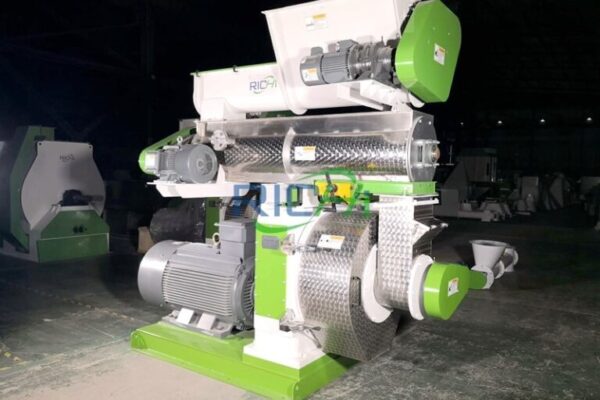
The global demand for high-quality, dust-free cat litter continues to rise, driving manufacturers to seek efficient and reliable production solutions. At the heart of modern manufacturing lies the cat litter pellet machine, a specialized piece of equipment designed to transform raw materials into uniform, durable pellets that offer superior absorption and clumping properties. Whether you are…
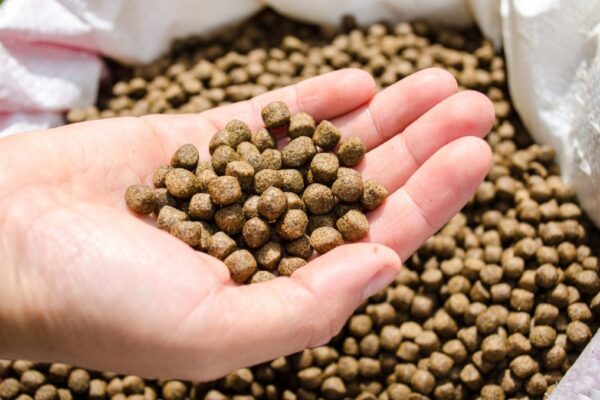
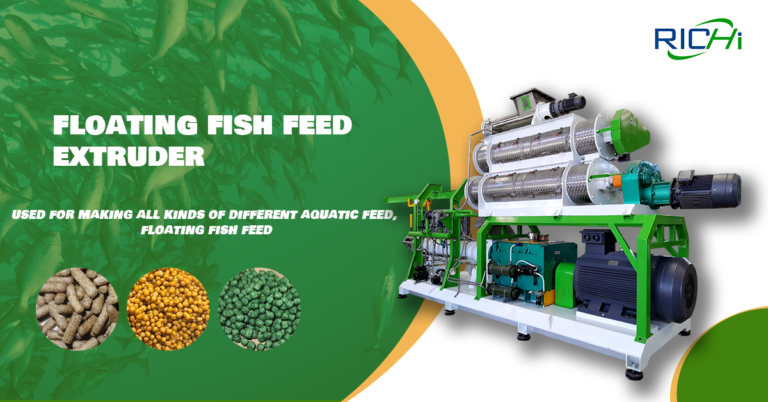
With the continuous expansion of global aquaculture, the demand for high-quality fish feed has increased significantly. Modern fish farming requires feed products that provide balanced nutrition, excellent digestibility, strong water stability, and efficient utilization of raw materials. Traditional pelletizing methods can no longer fully satisfy the requirements of intensive aquaculture systems, especially when producing floating…