


Can Agricultural Waste Become a Profitable Energy Resource? Exploring the Future of Biomass Pellet Production

Introduction: A New Perspective on Agricultural Residues For decades, agricultural waste has been considered a major environmental challenge in many farming regions. After harvesting, large amounts of crop residues such as rice straw, corn stalks, wheat straw, and other plant materials are often burned or discarded because of limited utilization methods. However, the development of…

Read Full News

Can Agricultural Waste Become the Next Major Energy Industry?

Agricultural waste management is becoming one of the biggest challenges facing modern farming economies. Every year, enormous volumes of crop residue accumulate after harvest seasons, creating disposal difficulties and environmental concerns. At the same time, industries worldwide are searching for cleaner alternatives to fossil fuels. These two trends are driving rapid growth in the biomass…

Read Full News

Biomass Pellet Mill: Everything You Need to Know for Smarter Pellet Production

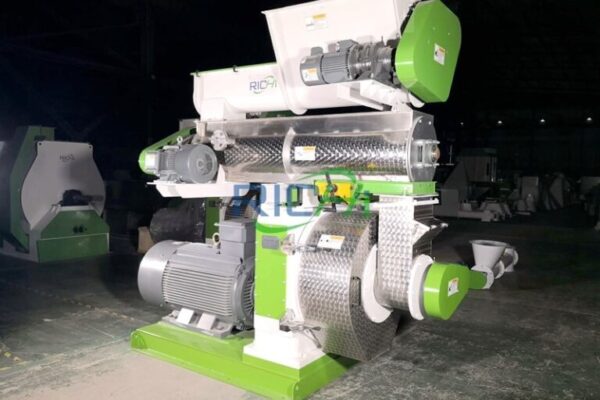
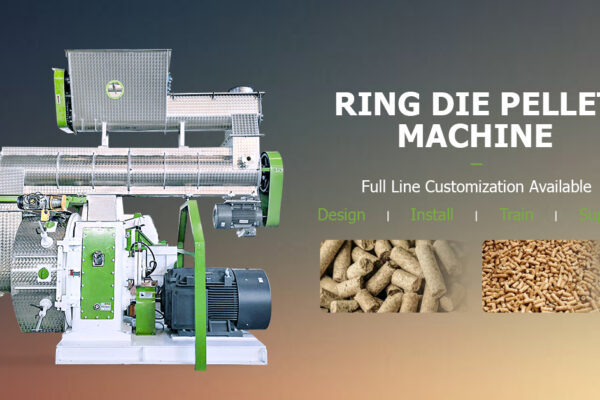
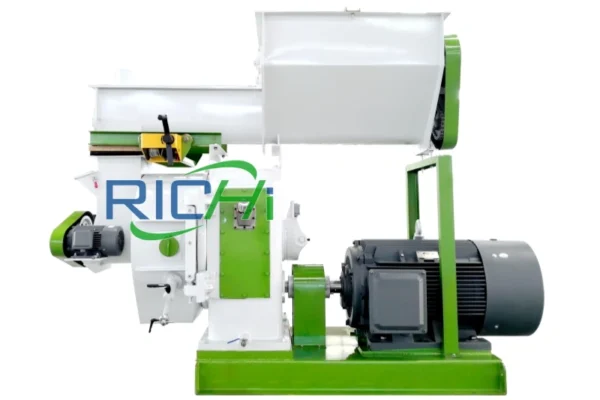
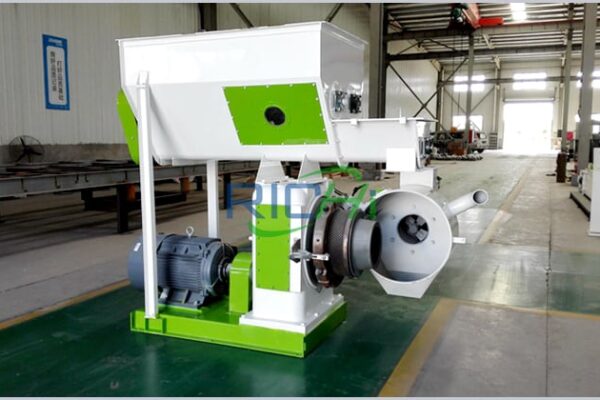
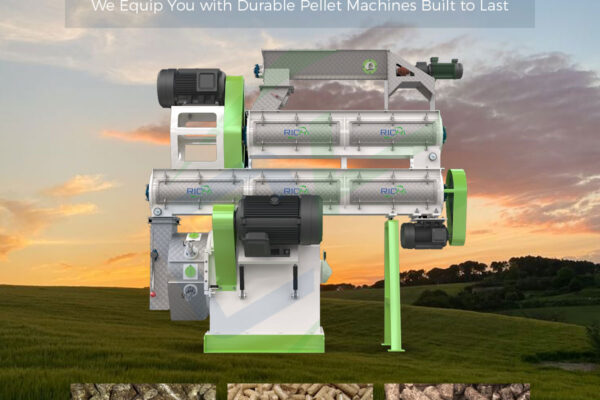
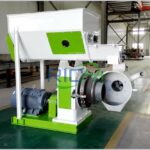
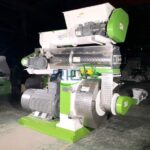
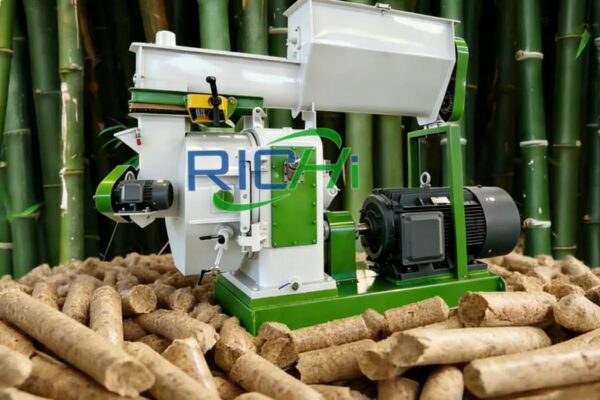
As global demand for renewable energy continues to surge, the biomass pellet mill has emerged as one of the most critical pieces of equipment in the green energy supply chain. From agricultural residues to forestry waste, these machines transform raw organic materials into high-density, energy-efficient fuel pellets used in power plants, industrial boilers, and residential…

Read Full News

What Brand Has the Best Pellet Mill for Large-Scale Operations?

If you’re investing in industrial-scale pellet production — whether for animal feed, biomass energy, or wood fuel — the brand of pellet mill you choose can make or break your operation. The wrong choice means costly downtime, inconsistent output, and lost revenue. The right choice means decades of reliable, high-throughput production. This guide cuts through…

Read Full News

Rice Husk Pellet Machine: Unlocking Energy Value from Agricultural By-Products

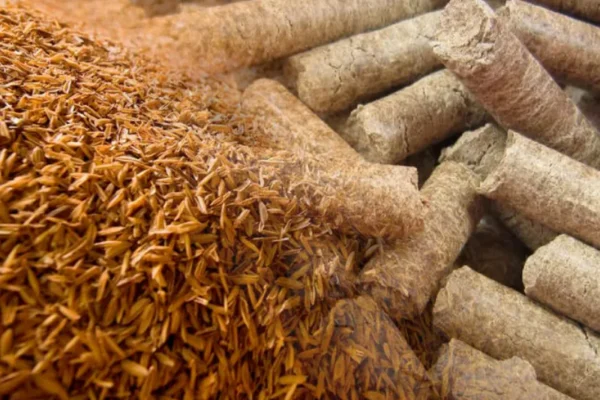
Rice is one of the most widely cultivated crops in the world, especially across Asia, Africa, and South America. As rice production increases, enormous quantities of rice husk are generated during milling. Traditionally, rice husk has been difficult to utilize efficiently due to its low bulk density and high silica content. Today, advanced pelletizing technology…

Read Full News