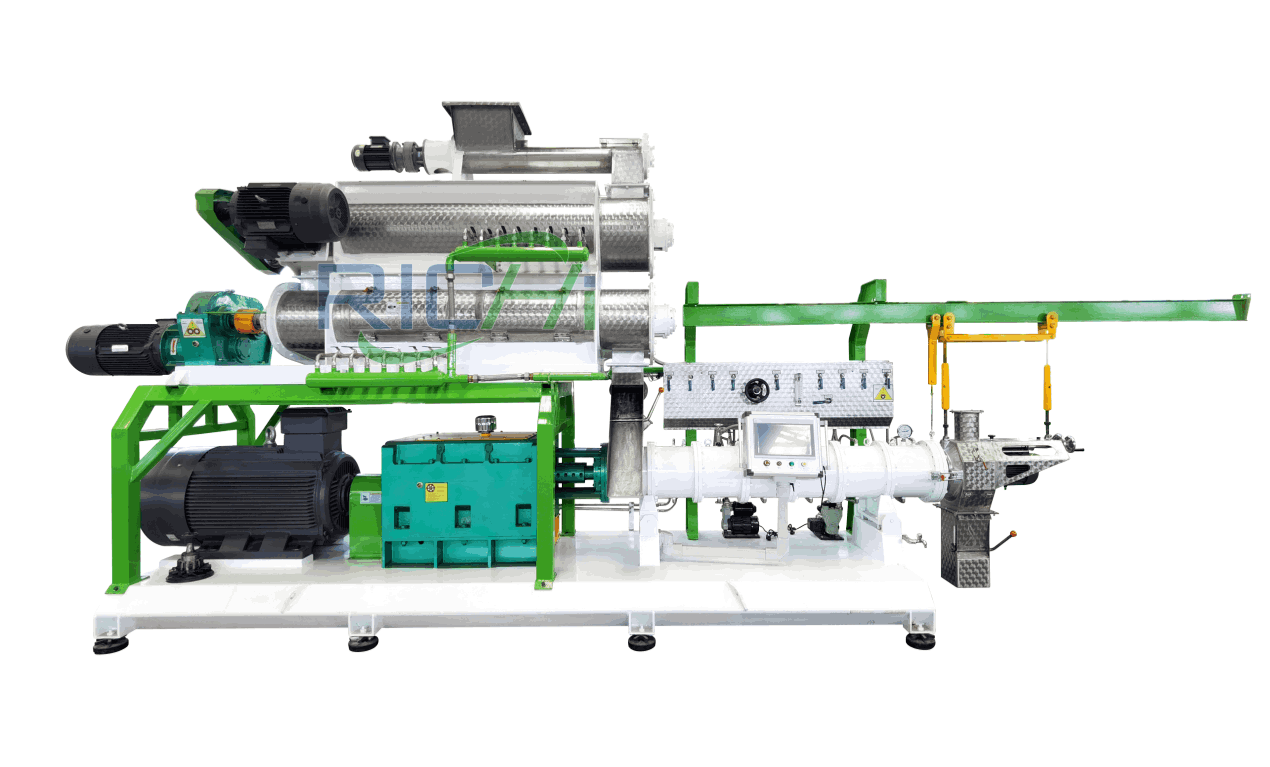
The investment required for floating fish feed production can vary considerably from one project to another. The main extruder is important, but it is only one part of the complete system.
Production capacity, raw material preparation, extrusion configuration, drying requirements, cooling equipment, automation, and packaging can all influence the final investment.
Understanding these factors before purchasing equipment can help businesses develop a more realistic production budget.
Production Capacity
Capacity is one of the first factors to consider when estimating equipment costs.
A small farm producing feed for its own ponds may only need several hundred kilograms per hour. A commercial feed manufacturer supplying multiple farms may require one or more tons per hour.
A higher-capacity system generally requires larger motors, stronger material-handling equipment, and greater drying and cooling capacity.
Therefore, buyers should calculate expected daily feed demand and operating hours before selecting an extruder.
Extruder Configuration
The type and configuration of the extrusion machine also affect the investment.
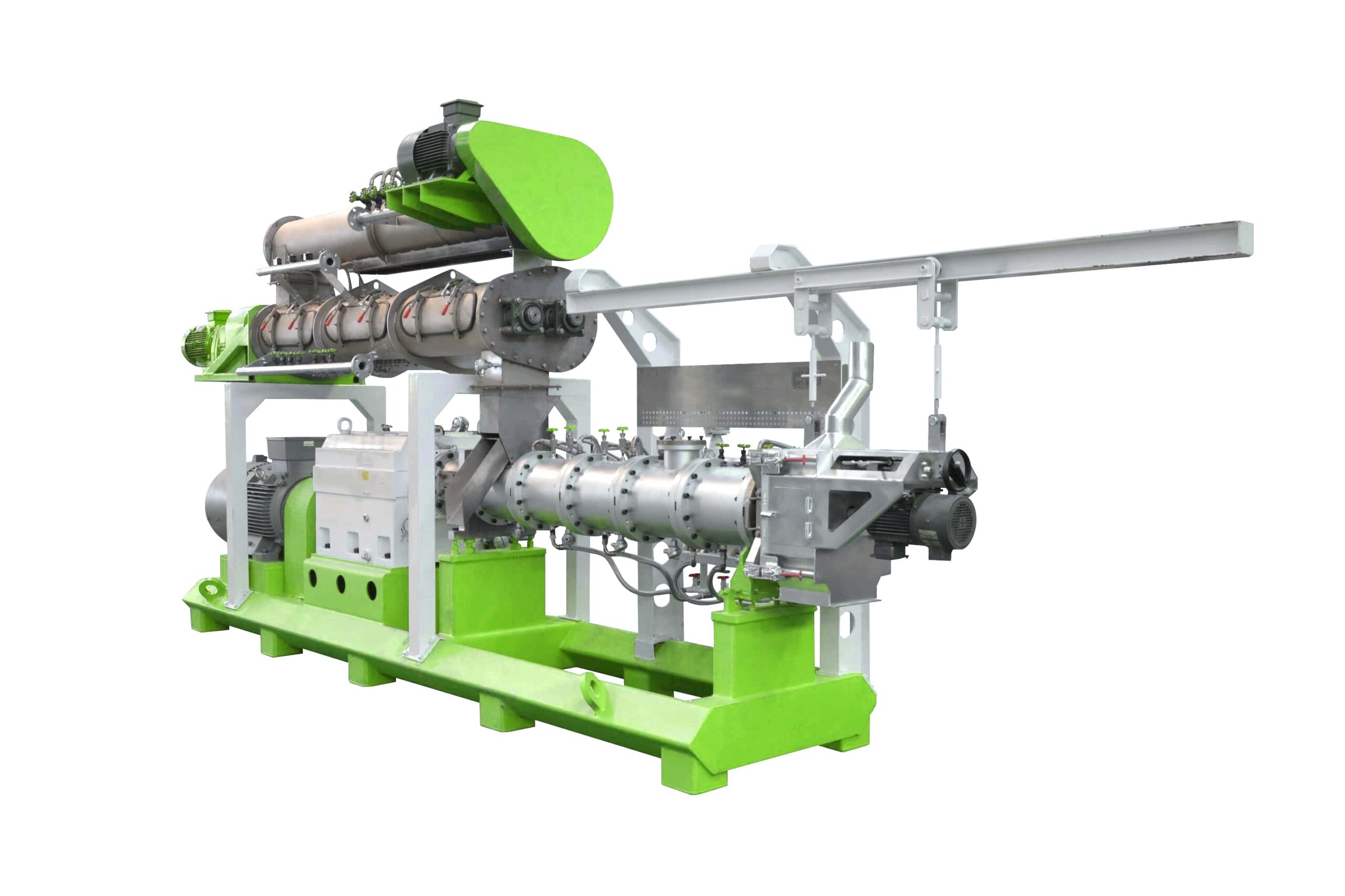
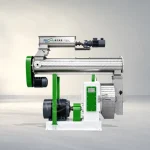
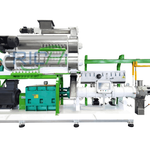
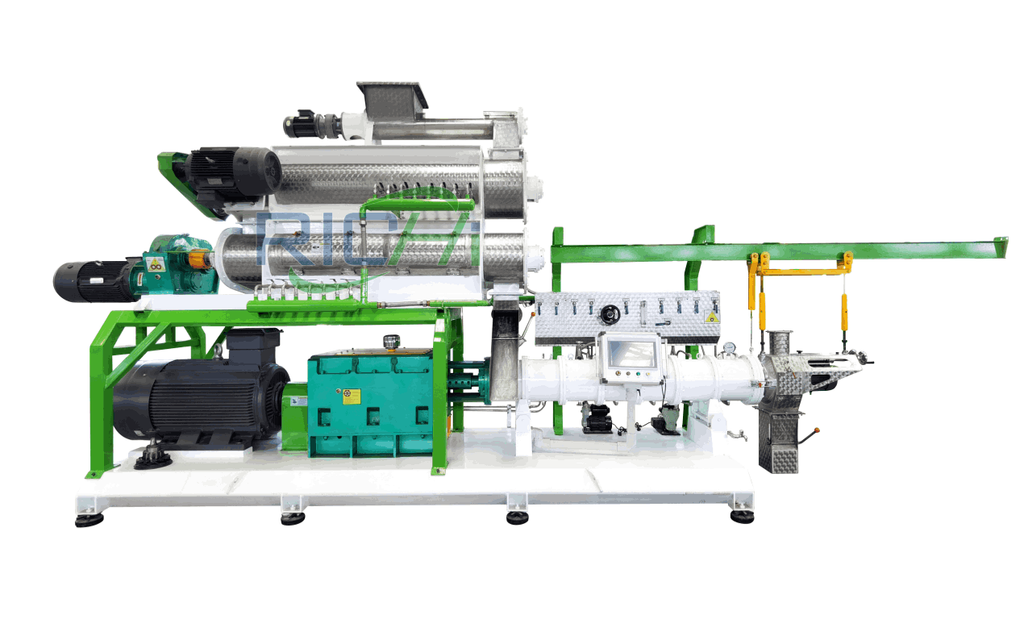
Different extruders can be designed for different production capacities, pellet sizes, and feed formulations. Screw configuration, motor power, die design, conditioner arrangement, and cutter specifications can all influence the equipment cost.
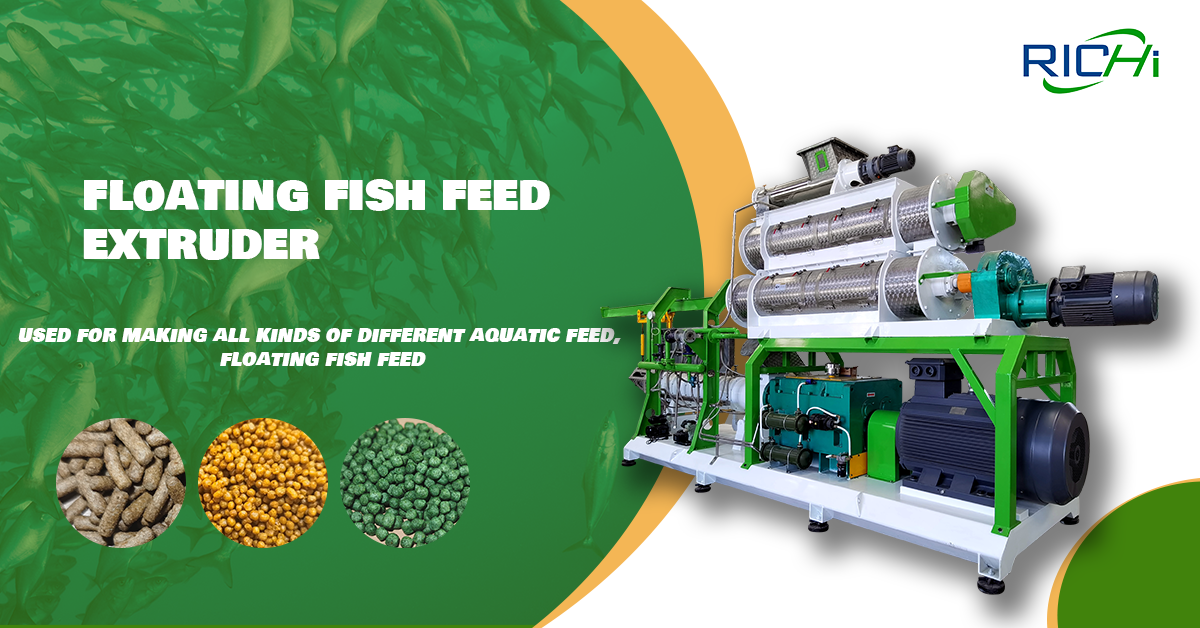
For buyers comparing a floating fish feed extruder machine price, it is important to confirm exactly what is included in each quotation.
One supplier may quote only the main extruder, while another may include a conditioner, cutter, electrical cabinet, spare parts, and other accessories.
For certain feed formulas and production requirements, a 0.2-1T/H dry type fish feed extruder may also be considered. The appropriate machine depends on the desired product characteristics, raw materials, moisture addition, and processing method.
Raw Material Preparation
Floating fish feed normally requires properly prepared ingredients before extrusion.
Common materials include fish meal, soybean meal, corn, wheat flour, rice bran, vitamins, minerals, and other formulation components.
A grinder can reduce coarse ingredients to a suitable particle size, while a mixer creates a relatively uniform feed mixture.
If the raw materials already have suitable particle sizes, the grinding section may be simpler. When ingredients arrive in different forms or contain larger particles, additional preparation equipment may be necessary.
Drying Requirements
Drying is another major factor in the overall system cost.
After extrusion, floating feed pellets normally contain more moisture than is suitable for long-term storage. A dryer can reduce the moisture content to an appropriate level before the product enters the cooling and screening stages.
The required drying capacity depends on production output, incoming moisture, extrusion conditions, and the target final moisture level.
If the feed formula and raw materials require substantial moisture removal, the drying section can become an important part of the total investment.
Cooling and Screening
Freshly dried feed should be cooled before packaging and storage.
A cooler helps reduce product temperature and stabilize the pellets. Screening then separates fines and undersized particles from the finished feed.
These machines may appear secondary compared with the extruder, but they contribute to the final product quality and continuous operation of the plant.
For larger projects, conveyors can connect each stage and reduce manual material handling.
Automation Level
Automation can also change the investment level.
A basic system may rely on manual ingredient feeding, operator supervision, and manual packaging. A commercial facility may use automatic dosing, centralized controls, mechanical conveying, automatic feeding, and automated packaging.
Higher automation generally requires greater initial investment, but it can reduce repetitive manual work and improve consistency during continuous production.
The appropriate level depends on production volume, labor availability, and the expected operating schedule.
Complete Equipment Configuration
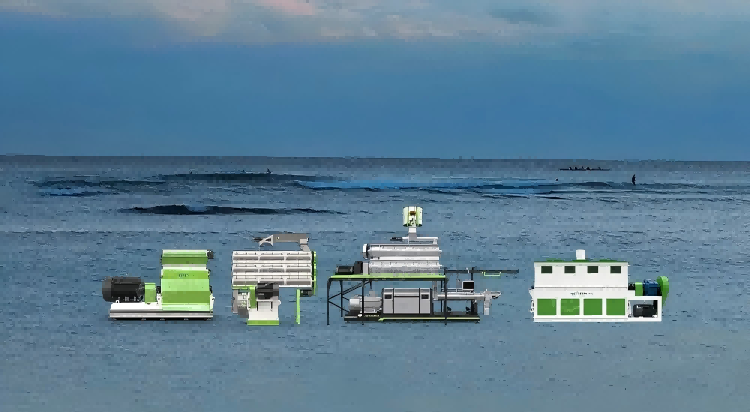
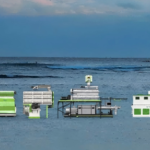
A floating fish feed production system may include:
- Raw material crusher or grinder
- Weighing and dosing system
- Feed mixer
- Conditioner
- Extruder
- Pellet cutter
- Dryer
- Cooler
- Vibrating screen
- Oil or liquid coating system
- Conveyors
- Packing machine
A pellet production line can integrate these sections into a continuous production process.
However, not every project requires every machine. A small farm may use a simpler configuration, while a commercial operation may require automated conveying, drying, cooling, coating, and packaging.
How to Compare Equipment Quotations
When comparing suppliers, buyers should evaluate the complete configuration rather than focusing on the machine price alone.
Important points include:
- Production capacity
- Main motor power
- Pellet diameter range
- Die configuration
- Dryer capacity
- Cooling system
- Automation level
- Energy consumption
- Spare parts
- Installation and commissioning
- After-sales support
The same nominal capacity can correspond to different equipment configurations, so comparing the technical specifications helps provide a clearer picture of the actual investment.
Final Considerations
The cost of a floating fish feed extrusion project depends on the complete production system. The extruder is a central component, but grinding, mixing, conditioning, drying, cooling, screening, conveying, and packaging can all contribute to the final budget.
Before requesting a quotation, it is useful to provide information about the target fish species, feed formulation, pellet diameter, production capacity, and raw material condition.
This allows the equipment configuration to be matched more closely with the actual production requirements.
For more information about fish feed extrusion equipment and production planning, read more about related processing solutions before making an investment decision.
Related Post: https://pelletizerequipment.com/wet-type-fish-feed-extruder/