




You do not need every product detail finalized before asking for an early pellet equipment budget, but the key pellet specifications should be defined before suppliers prepare final quotations or select major equipment. Pellet diameter, length, moisture, density, durability, fines, formulation, nutritional or fuel requirements, packaging, and applicable standards can influence the pellet mill, die, conditioning, cooling, screening, crumbling, storage, and quality-control sections. If the product specification changes after equipment is ordered, the line may no longer match the intended market.
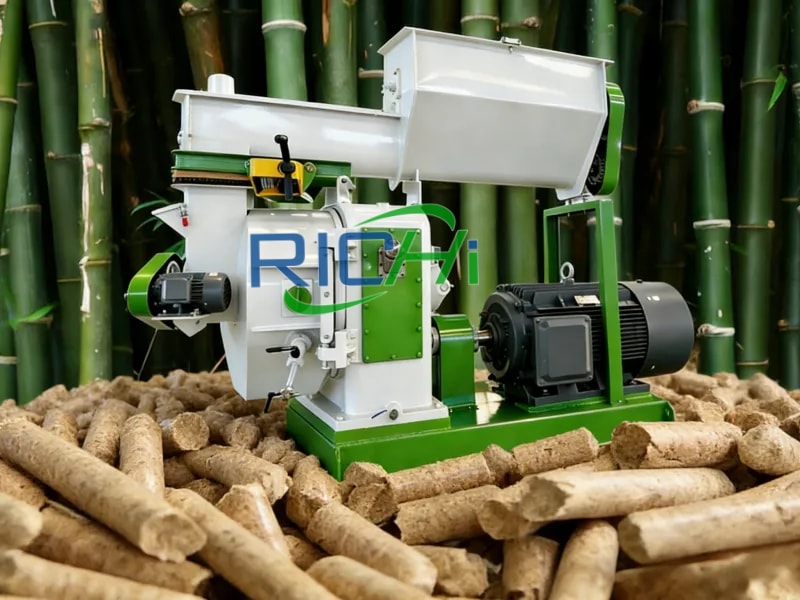
Why Finished-Product Specifications Come Before Final Equipment Selection
Pellet production equipment exists to produce a defined finished product. Capacity alone does not define that product. A 4 mm poultry pellet, an 8 mm biomass fuel pellet, and a larger livestock pellet may all be described as pellets, but they require different process assumptions and may achieve different throughputs on the same machine.
A supplier can prepare a preliminary quotation using stated assumptions, but the final machine selection should be checked against the product the customer actually intends to sell.
Define Pellet Diameter First
Pellet diameter directly affects die-hole size, die design, throughput, energy consumption, and end-use suitability. Feed pellets may require different diameters for poultry, cattle, rabbits, or other animals. Biomass markets may have standard sizes preferred by boilers or customers. If several diameters will be produced, list them and estimate the percentage of production for each.
Frequent diameter changes can require die changes and production downtime. The quotation should therefore account for the product mix, not only the largest volume product.
Define Length And Cutting Requirements
Pellet length can influence cutting systems, product handling, animal consumption, combustion behavior, and customer acceptance. The engineering team should know the target range and any maximum length requirement. If broken or short pellets are unacceptable, downstream conveying and packaging should also be designed to minimize damage.
Length is sometimes treated as a small detail, but it becomes important when customers use automated feeding or combustion equipment with defined product limits.
Set Finished Moisture Targets
Finished moisture affects storage stability, durability, weight, and market quality. The target should be compatible with the raw material and process. For feed, cooler performance and ambient conditions influence the final result. For biomass, drying before pelleting and cooling afterward must be coordinated.
If the buyer has a contractual or market moisture limit, the supplier should know it before sizing dryers, conditioners, coolers, and monitoring equipment.
Define Durability And Fines Expectations
Pellet durability determines how well the product survives conveying, storage, transportation, and handling. Fines can reduce customer acceptance and may need to be screened and recycled. Higher durability may require attention to grinding, formulation, moisture, conditioning, die design, and cooling.
Ask the supplier what quality assumptions are used in capacity claims. A line optimized only for maximum throughput may not produce the durability required by the target market.
For Feed, Finalize The Main Formulation Range
Animal feed formulation affects grinding, mixing, conditioning, pelletability, die wear, capacity, and product quality. You do not need every future recipe finalized, but the equipment supplier should understand the main ingredient types and the range the plant must handle.
- Major grains and meals
- Fiber level
- Fat or liquid addition
- Mineral content
- Heat-sensitive ingredients
- Expected recipe changes
A supplier quoting a feed line without knowing whether the products are high-fiber cattle feed or poultry feed is working from incomplete information.
Decide Whether Crumbled Product Is Required
Poultry and other young-animal feeds may require crumbles rather than whole pellets. If crumbling is part of the product range, the quotation may need a crumbler, screens, bypass arrangements, and additional product bins. The percentage of production requiring crumbling should be defined so the equipment is sized correctly.
This is an example of how a product specification can add an entire process stage that a capacity-only quotation would miss.
Identify Applicable Product Standards
Ask customers or target markets which standards, contracts, or internal specifications apply. Fuel pellets may have limits for moisture, ash, dimensions, fines, durability, or other properties. Feed products may have nutritional, hygiene, labeling, or traceability requirements. Fertilizer products may have composition or granule requirements.
Equipment cannot guarantee every product standard by itself, but the production line should provide the process control and testing points needed to manage them.
Define Packaging Specifications
Product specification includes how pellets are sold. State bag weight, big bags, bulk dispatch, palletizing, labeling, and expected packaging rate. Small retail bags may require more packaging capacity than bulk industrial sales even when pellet production is identical.
Packaging also affects product breakage and fines. The design should consider drop heights and handling points after cooling and screening.
Define The Product Mix
If the factory produces several pellet specifications, estimate how much of each product will be made monthly or annually. This helps the supplier calculate changeover frequency, storage requirements, die inventory, bin quantity, packaging flexibility, and effective annual capacity.
A plant that produces three products in long campaigns is different from one that changes product several times each shift. Both may have the same annual tonnage but require different operational design.
Consider Changeover And Cleaning Standards
For feed and other sensitive products, changing between formulations can require flushing or cleaning to control carryover. Define whether products contain ingredients that must remain segregated and whether the plant needs dedicated bins, lines, or cleaning procedures.
This information affects layout and production scheduling. It should be considered before final quotation rather than left entirely to operating staff after commissioning.
Understand How Specifications Affect Capacity
The supplier should explain that capacity is conditional. Smaller pellet diameters, difficult formulations, high durability targets, or particular raw materials may reduce throughput. Ask for expected capacity for the main products rather than one maximum number.
If the quotation covers a multi-product plant, the annual capacity calculation should use the expected production mix and changeover time. This creates a more realistic business model.
Specifications Affect Wear And Operating Cost
Die-hole size, compression ratio, formulation, abrasiveness, and throughput influence die and roller wear. Fine grinding can improve pellet quality in some applications but increases electrical consumption. Higher conditioning intensity may require more steam. Product decisions therefore affect cost per ton as well as equipment selection.
When comparing products, evaluate whether the market price supports the processing intensity required to achieve the desired specification.
When Can Specifications Remain Preliminary?
During feasibility studies, it is reasonable to request a budget using a preliminary specification. The supplier should record the assumed pellet diameter, quality, formulation, and packaging and identify which equipment may change if those assumptions change.
Before ordering the pellet mill, dies, conditioner, cooler, screens, crumbler, or packaging system, the main product requirements should be confirmed. This separates early budgeting from final engineering.
Use A Product Specification Sheet
| Specification | Why It Matters | Equipment Impact |
|---|---|---|
| Diameter | Defines product size | Ring die and throughput |
| Length | Affects end use | Cutting and handling |
| Moisture | Affects storage and quality | Drying, conditioning, cooling |
| Durability and fines | Affects customer acceptance | Grinding, pelleting, screening |
| Formula or material | Controls pelletability | Process and capacity |
| Packaging | Defines dispatch | Packing and warehouse |
Confirm Laboratory And Quality-Control Methods
Defining a specification is useful only if the factory can measure it. Decide which tests will be performed at incoming raw-material inspection, during production, and on finished pellets. Moisture, particle size, pellet dimensions, fines, durability, density, nutrient composition, or other properties may need routine measurement depending on the product.
The equipment proposal should include appropriate sampling points and process adjustments. A quality target without a measurement plan is difficult to control during daily operation.
Add An Acceptance Window For Each Main Product
For the products that will represent most annual output, define an acceptance window rather than only one ideal target. The quotation should state which pellet diameters, moisture range, durability level, fines limit, formulation family, and expected throughput the proposed line is designed to handle. This gives both buyer and supplier a common technical basis for factory trials and commissioning. It also makes later product changes easier to evaluate because engineers can distinguish normal operating variation from a genuinely new specification that may require a different die, screen, conditioner setting, or capacity assumption.
When several products share one line, the acceptance window should also identify the expected changeover frequency and whether throughput changes by product. This is more useful than one headline capacity because it reflects the actual production mix the factory will run.
How RICHI Machinery Uses Pellet Specifications
RICHI Machinery configures feed, biomass, and other pellet production lines around the customer’s raw materials, finished-product requirements, capacity, and site. Buyers can review the company’s broader equipment and project scope through poultry feed production line equipment and engineering. More than 30 years of industry experience and over 2,000 delivered projects provide a broad reference base for different pellet products.
Even with extensive project experience, the correct line depends on the current customer’s product specification. Previous projects are references, not substitutes for defining the new product.
Final Recommendation
Finalize the key pellet specifications before requesting final equipment quotations. At minimum, define the main pellet diameters, product use, moisture and quality targets, principal formulation or raw material, product mix, crumbling requirements where applicable, packaging, and important market standards. If some values remain uncertain, state the assumptions explicitly.
Preliminary budgets can be developed earlier, but the final quotation should be checked against the finished product you intend to sell. This ensures that pellet mill selection, conditioning, cooling, screening, storage, packaging, quality control, and capacity calculations are all based on the same product definition rather than on a generic pellet specification.