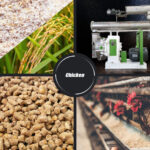
Poultry feed manufacturing is a highly structured and technology-driven process that transforms raw agricultural ingredients into balanced, nutritious, and highly digestible feed for chickens, ducks, turkeys, and other poultry species. As global demand for poultry products continues to rise, efficient feed production has become one of the most important foundations of modern poultry farming. Feed quality directly affects bird growth, egg production, health, feed conversion efficiency, and overall farm profitability, making the manufacturing process extremely important for both small and large-scale poultry operations.
The poultry feed manufacturing process is designed to ensure that every batch of feed contains the correct balance of nutrients, has consistent physical quality, and can be efficiently consumed by poultry. Modern production systems rely heavily on advanced machinery such as grinders, mixers, conditioners, and especially the poultry feed pellet making machine, which plays a central role in converting powdered feed into compact pellets that improve feed efficiency and reduce waste.
The process typically includes several key stages: raw material selection, grinding, batching, mixing, conditioning, pelletizing, cooling, screening, and packaging. Each stage contributes to the final quality of poultry feed and ensures that birds receive optimal nutrition for growth and production.
The first step in poultry feed manufacturing is raw material selection. The quality of feed begins with the quality of ingredients used. Poultry feed is usually formulated using a combination of energy sources, protein sources, vitamins, minerals, and additives. Common raw materials include corn, soybean meal, wheat bran, rice bran, fish meal, sunflower meal, limestone, salt, amino acids, and vitamin premixes.
Each ingredient plays a specific role in poultry nutrition. Corn provides energy, soybean meal supplies protein, limestone provides calcium for eggshell formation, and vitamin premixes ensure overall health and immunity. Feed formulations vary depending on the type of poultry and production stage. For example, broilers require high-energy, high-protein diets to support rapid growth, while laying hens require feed rich in calcium and balanced nutrients for consistent egg production.
Once raw materials are selected, they undergo the grinding stage. Grinding is essential because poultry cannot efficiently digest large particles. Feed ingredients are processed through grinding machines such as hammer mills, which reduce particle size and create a uniform powder. Proper grinding improves digestibility and ensures that all nutrients can be evenly distributed during mixing.
Particle size control is very important in feed manufacturing. If particles are too coarse, birds may not digest feed efficiently. If particles are too fine, feed may become dusty and difficult to process in later stages. Therefore, achieving the correct particle size balance is essential for producing high-quality feed.
After grinding, the materials move to the batching and weighing stage. In this stage, each ingredient is measured according to a scientifically formulated recipe. Precision is critical because even small variations in nutrient composition can affect poultry growth and performance. Automated batching systems are commonly used in modern feed plants to ensure accuracy and efficiency.
Next comes the mixing stage, where all ingredients are blended together to form a uniform feed mixture. Proper mixing ensures that nutrients are evenly distributed throughout the feed, preventing nutrient imbalance in individual feed portions. High-efficiency mixers are used to achieve uniformity within a short period of time. During this stage, micro-ingredients such as vitamins, minerals, enzymes, and additives are added.
After mixing, the feed undergoes conditioning. Conditioning is an important step that prepares the feed for pelletizing. Steam and moisture are introduced into the feed mixture to soften the materials and improve binding properties. This process also enhances starch gelatinization, which improves feed digestibility. In addition, conditioning helps reduce harmful microorganisms, improving feed hygiene and safety.
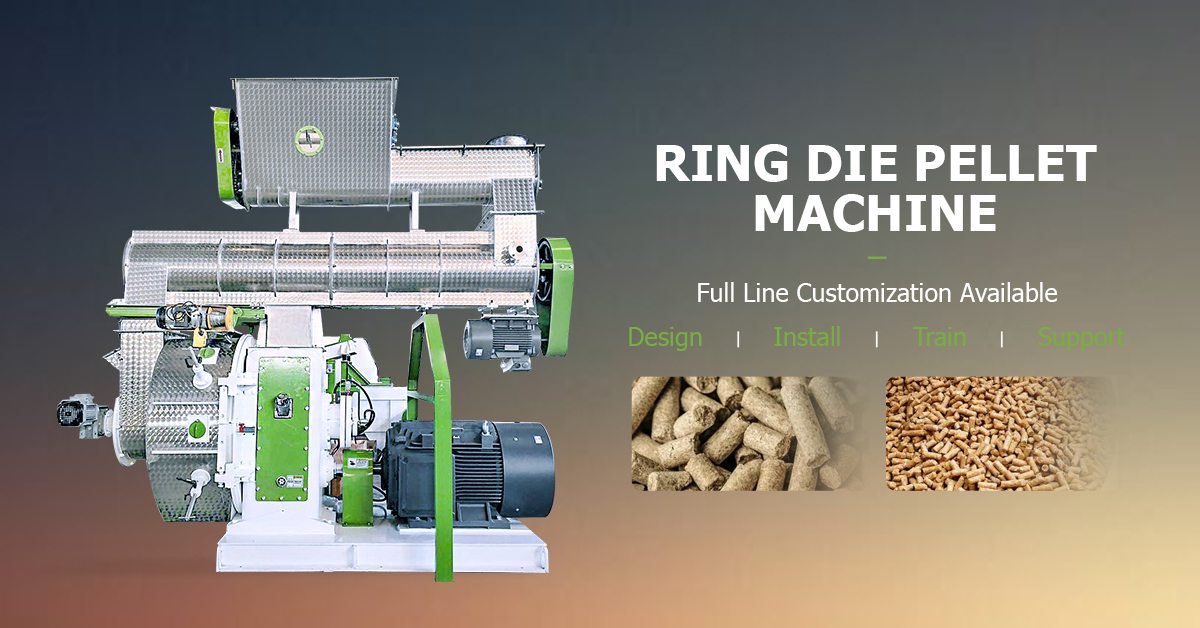
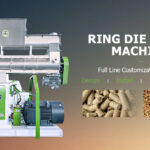
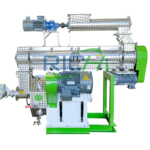
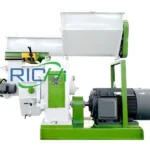
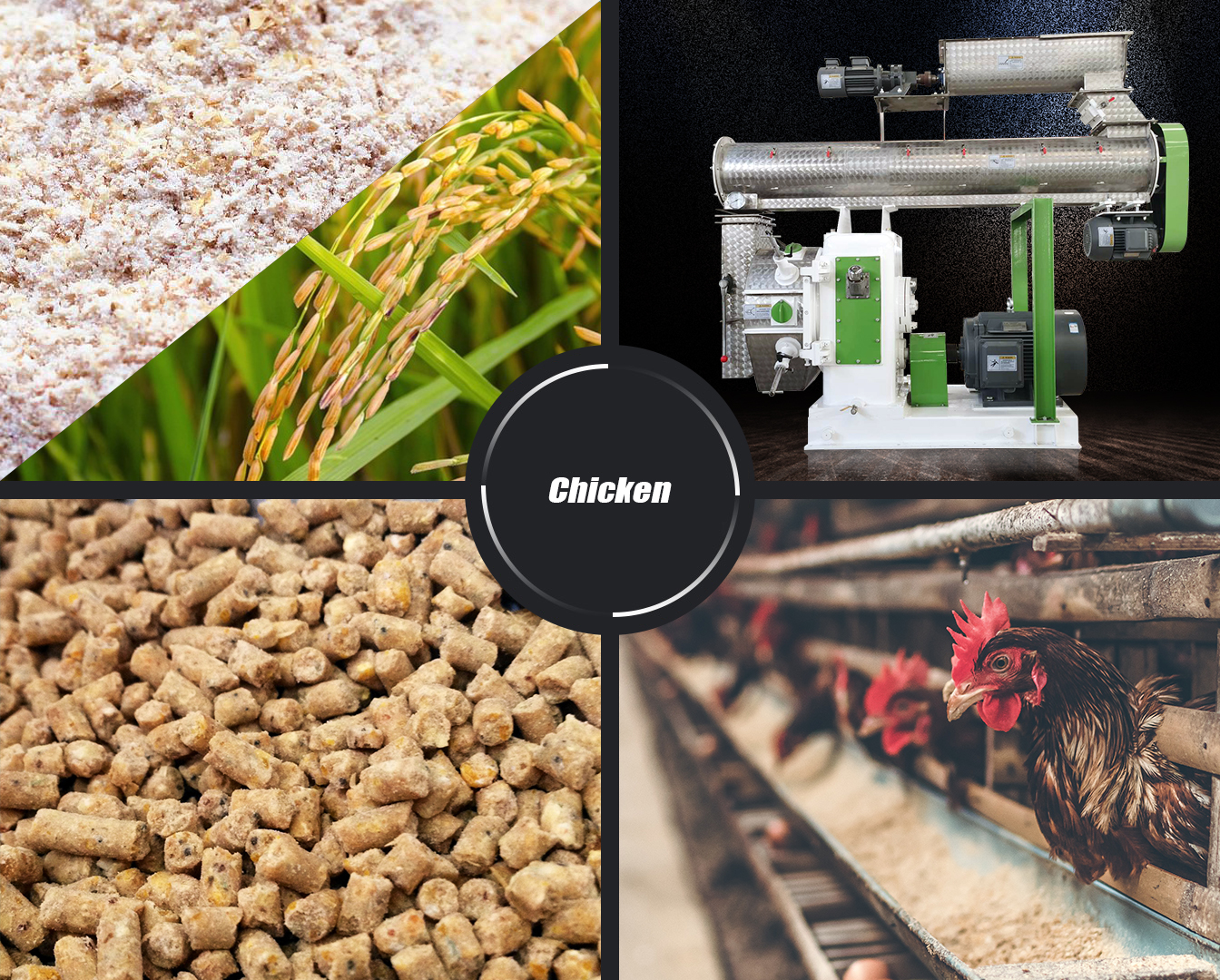
Once conditioning is complete, the feed enters the most important stage of the process: pelletizing. This is where the poultry feed pellet making machine plays a central role. The machine compresses the conditioned feed mixture into dense, cylindrical pellets using mechanical pressure.
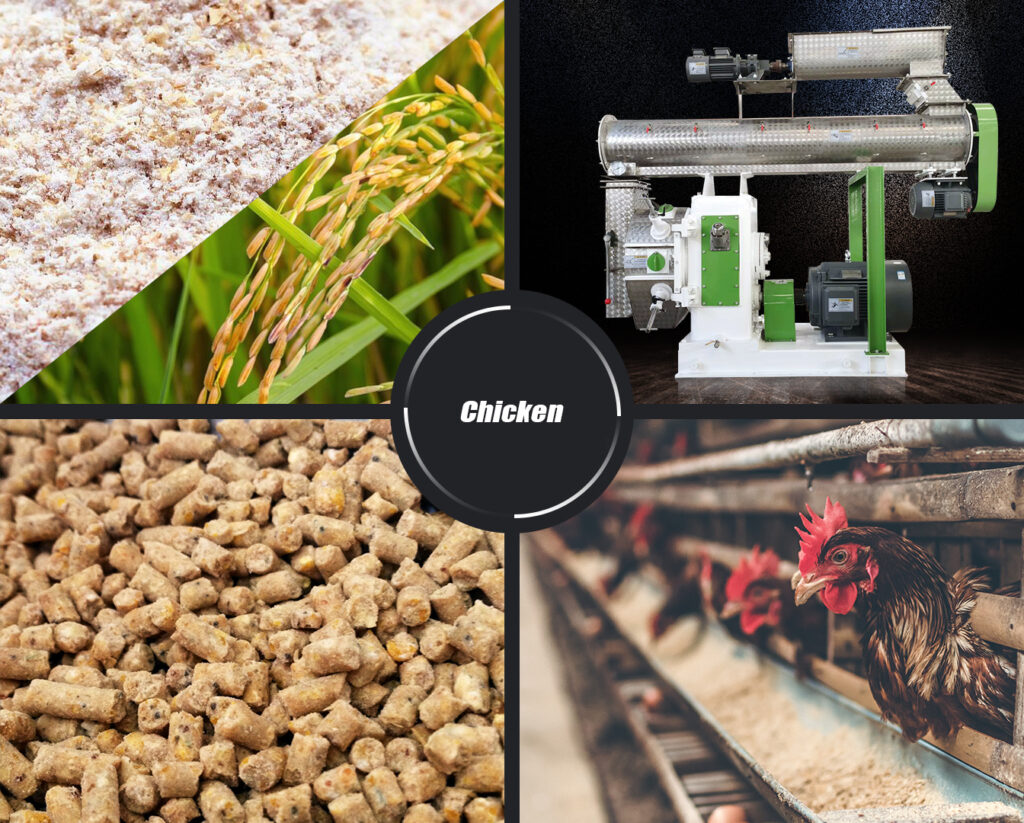
Inside the poultry feed pellet making machine, rollers press the feed material through small holes in a rotating die. As the material is forced through the die, it forms uniform pellets that are cut into specific lengths. These pellets are then discharged from the machine for further processing.
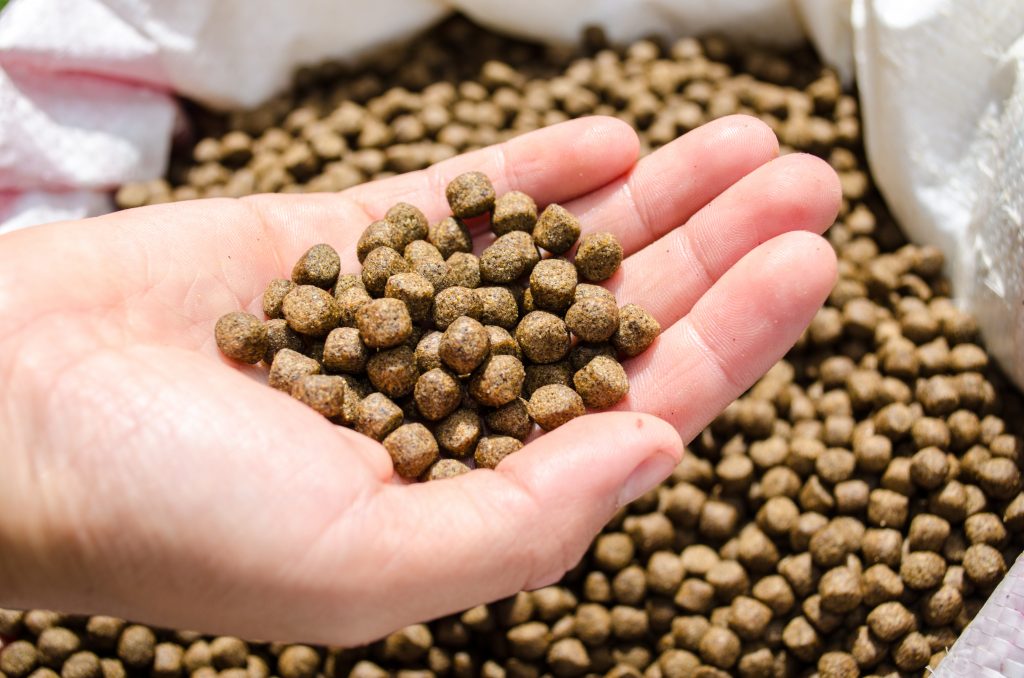
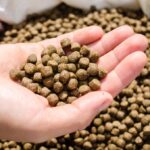
Pelletizing significantly improves feed quality and efficiency. Pellet feed is easier for poultry to consume compared to mash feed, which reduces feeding time and energy expenditure. Birds can eat pellets more efficiently, leading to better feed intake and improved growth performance.
Another major benefit of pellet feed is reduced feed waste. Mash feed is prone to scattering, especially in large poultry houses, leading to significant losses. Pellets are more stable and remain intact in feeders, minimizing waste and improving overall feed utilization efficiency. This directly reduces production costs and improves farm profitability.
Pelletizing also improves feed digestibility. The heat and pressure generated inside the poultry feed pellet making machine alter the physical structure of feed ingredients, making nutrients easier for poultry to digest and absorb. Improved digestibility leads to better growth rates, stronger immunity, and higher production efficiency.
After pelletizing, the feed pellets are still hot and contain moisture. Therefore, they must go through the cooling stage. Cooling machines reduce the temperature and moisture content of pellets, stabilizing their structure and improving durability. Proper cooling ensures that pellets do not break easily during handling, storage, or transportation.
Cooling is essential for maintaining feed quality. If pellets remain too hot or moist, they may become moldy or deteriorate during storage. By reducing moisture to safe levels, cooling systems help extend feed shelf life and maintain nutritional value.
After cooling, the pellets enter the screening stage. Screening equipment separates broken pellets, fines, and oversized particles from the finished product. This ensures that only high-quality, uniform pellets are packaged and distributed. Broken particles can often be recycled back into the production system, improving efficiency and reducing waste.
The final stage of poultry feed manufacturing is packaging and storage. Finished pellets are packed into bags or stored in bulk silos for transportation and use. Proper packaging protects feed from moisture, contamination, and nutrient loss. Storage conditions must be carefully controlled to maintain feed quality over time.
Modern poultry feed manufacturing systems are highly automated and integrated. Many feed production plants combine all stages into a continuous production line. Automation systems control grinding, mixing, pelletizing, cooling, and packaging operations. This reduces labor requirements, improves production efficiency, and ensures consistent feed quality.
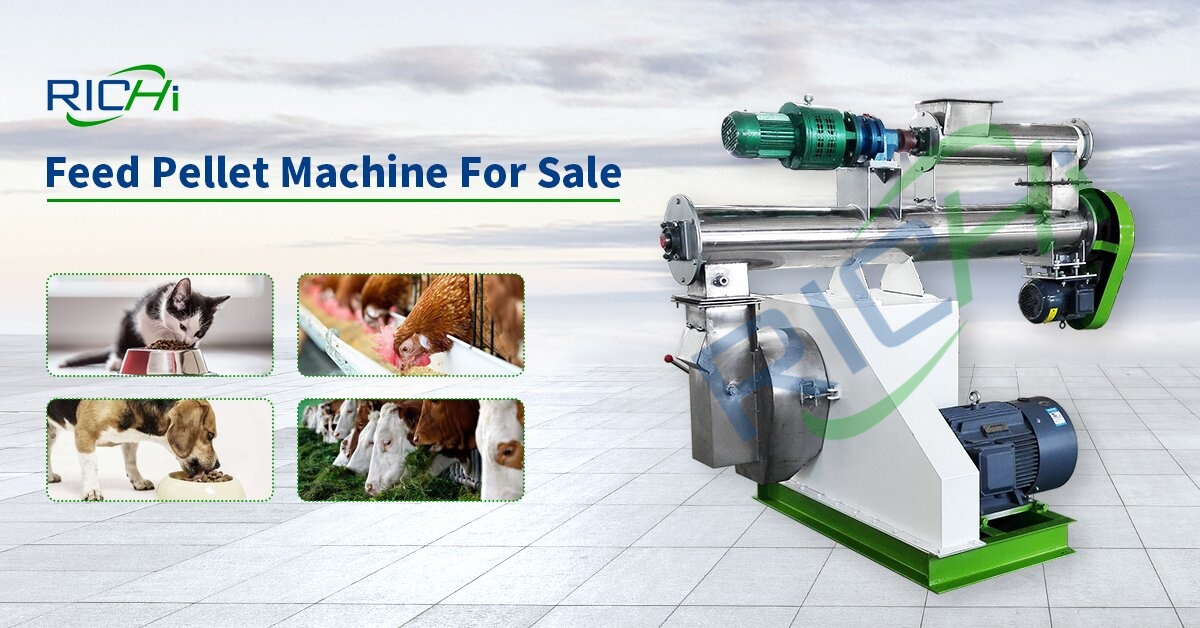
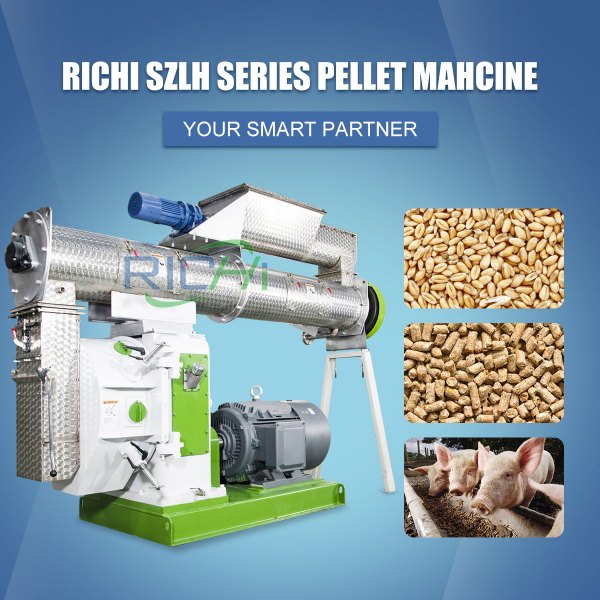
The poultry feed pellet making machine is one of the most critical components in automated systems because it determines the physical quality of the final feed product. Modern machines are designed with advanced die systems, high-strength rollers, energy-efficient motors, and intelligent control systems that improve performance and reduce maintenance needs. (Related machine: efficient chicken feed pellet machine for sale)
Another important aspect of poultry feed manufacturing is energy efficiency. Feed production requires significant energy for grinding, mixing, and pelletizing. Modern equipment is designed to reduce energy consumption while maintaining high production output. Efficient energy use helps lower operating costs and improves sustainability.
Feed hygiene is also an important consideration. Raw materials may contain harmful bacteria or contaminants, but conditioning and pelletizing help reduce microbial risks. Heat treatment during pelletizing improves feed safety and reduces the risk of disease transmission in poultry farms.
Raw material flexibility is another advantage of modern feed manufacturing systems. Farmers and producers can use locally available agricultural products such as corn, wheat, rice bran, cassava, and sunflower meal. This reduces dependence on imported ingredients and lowers feed production costs.
Environmental sustainability is becoming increasingly important in poultry feed manufacturing. Efficient feed production reduces waste, improves nutrient utilization, and minimizes environmental pollution. Better feed efficiency means less raw material is required to produce the same amount of poultry products, reducing pressure on agricultural resources.
The poultry industry continues to grow rapidly due to increasing global demand for animal protein. As a result, efficient feed manufacturing has become more important than ever. High-quality feed is essential for improving productivity, reducing costs, and ensuring food security. (click this link now)
Future developments in poultry feed manufacturing will likely focus on automation, artificial intelligence, and precision nutrition. Smart feed production systems may adjust formulations in real time based on ingredient quality and poultry performance data. Improvements in poultry feed pellet making machine technology will also continue to enhance efficiency, durability, and feed quality.
In conclusion, the poultry feed manufacturing process is a complex but highly efficient system that transforms raw agricultural materials into nutritious feed for poultry. Each stage of the process plays a vital role in ensuring feed quality, safety, and efficiency. From raw material selection to grinding, mixing, conditioning, pelletizing, cooling, and packaging, every step contributes to the final product.
The poultry feed pellet maker machine is at the heart of this process, enabling the production of high-quality pellet feed that improves digestibility, reduces waste, and enhances poultry performance. As poultry farming continues to modernize, efficient feed manufacturing will remain a key factor in improving productivity, profitability, and sustainability in the global poultry industry.