Aquaculture is developing rapidly around the world, and feed quality has become one of the most important factors affecting farming profitability. Farmers today are no longer simply looking for cheaper feed. Instead, they need nutritionally balanced pellets with stable floating performance, good digestibility, and efficient feed conversion rates.
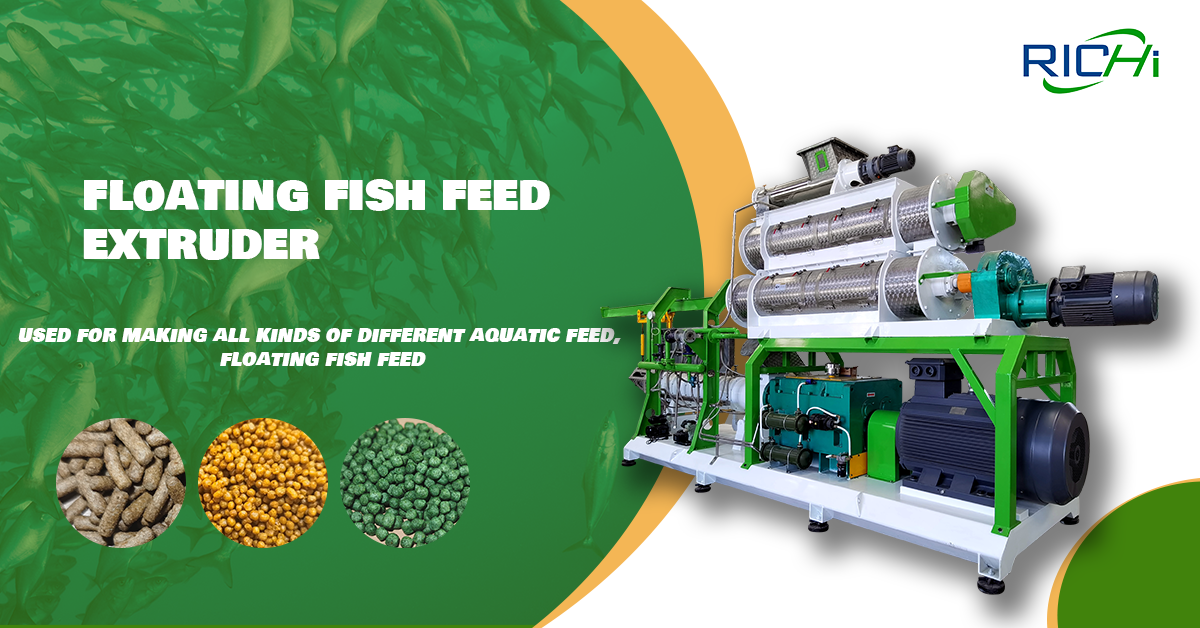
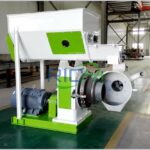
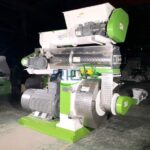
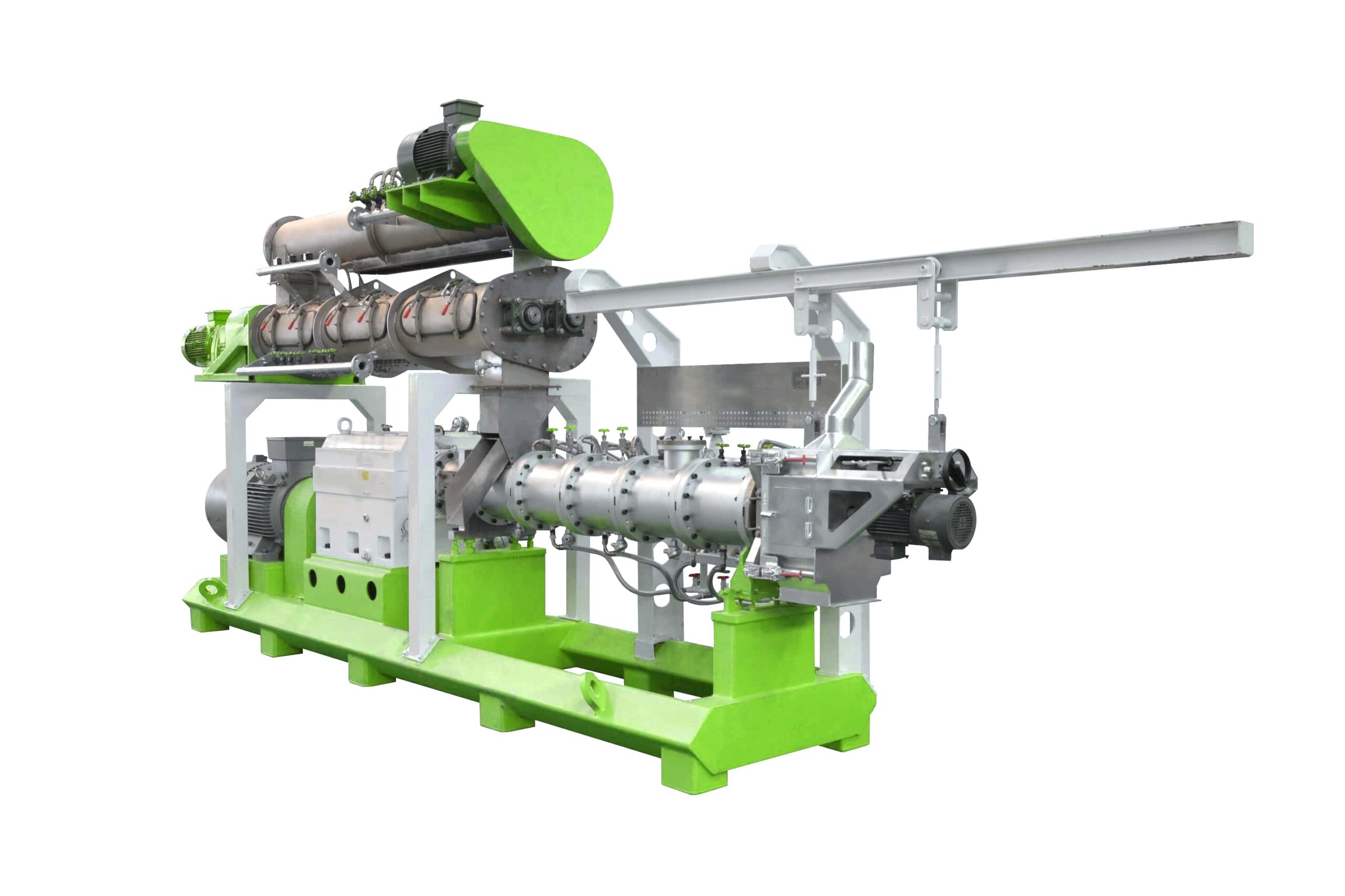
Because of these changing demands, the Wet type fish feed extruder has become one of the most widely used processing systems in modern aquaculture feed production.
Why Extruded Fish Feed Is Becoming More Popular
Traditional feed pellets often sink quickly, absorb water easily, and lose nutrients during feeding. Extruded fish feed solves many of these problems through high-temperature and high-pressure processing.
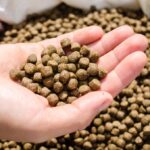
During extrusion, raw materials are cooked inside the conditioning and extrusion chamber. The sudden pressure release then creates porous feed pellets with stable structure and controlled buoyancy.
This technology offers several advantages:
- Better feed digestibility
- Improved water stability
- Reduced feed waste
- Higher feeding efficiency
- Better fish growth performance
These benefits are especially important for commercial fish farms aiming to reduce operating costs.
How the Wet Extrusion System Works
A wet extrusion system usually includes:
- Raw material grinding
- Mixing and conditioning
- Steam cooking
- Extrusion and shaping
- Drying and cooling
- Oil spraying and packaging
Unlike dry extrusion systems, wet extruders use external steam conditioning before pellet expansion. This allows the feed to cook more evenly and improves starch gelatinization.
As a result, pellets become smoother, more stable, and nutritionally consistent.
Many aquaculture producers who previously relied on a sinking fish feed machine are now upgrading to wet extrusion systems because floating feed demand continues growing in intensive farming industries.
Suitable Raw Materials for Wet Extrusion
One advantage of modern feed extrusion technology is its flexibility. A Wet type fish feed extruder can process various feed ingredients, including:
- Fish meal
- Soybean meal
- Corn flour
- Wheat bran
- Rice bran
- Vitamin and mineral additives
By adjusting moisture, temperature, and screw configuration, manufacturers can produce both floating and sinking fish feed pellets for different aquatic species.
Why Feed Stability Matters
In aquaculture farming, unstable feed can create significant financial losses.
If pellets dissolve too quickly in water:
- Nutrients are wasted
- Water pollution increases
- Feeding efficiency decreases
High-quality extruded pellets maintain their structure for longer periods, allowing fish to consume feed more effectively.
This is why many feed factories investing in a fish feed pellet making machine now prioritize extrusion technology for commercial production.
Automation Improves Feed Production Efficiency
Modern fish feed plants are becoming increasingly automated. Intelligent control systems help operators monitor:
- Feed moisture
- Steam pressure
- Extrusion temperature
- Production capacity
Automation not only improves product consistency but also reduces labor intensity and production errors.
Large-scale feed factories especially benefit from continuous and stable extrusion systems.
Choosing the Right Equipment Supplier
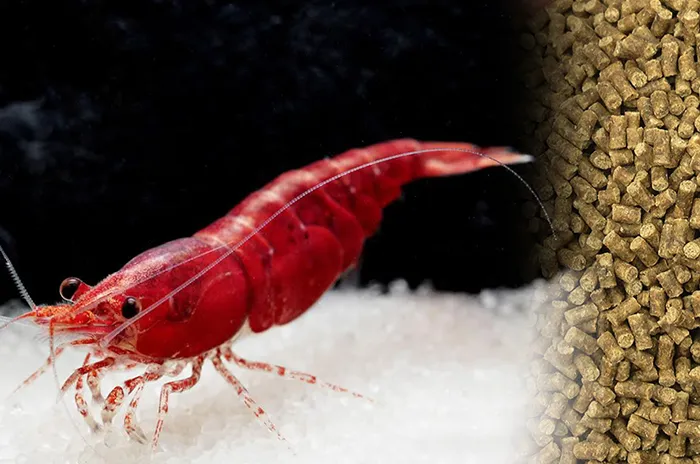
Different fish species require different feed characteristics. Tilapia, catfish, shrimp, and ornamental fish all require specific pellet density and nutritional structures.
Because of this, customized feed production solutions are extremely important.
Many aquaculture investors cooperate with Richi Machinery, which provides customized fish feed extrusion systems based on raw materials, production capacity, and farming requirements.
Whether producing floating feed or specialized aquatic nutrition products, selecting the right equipment configuration can directly influence long-term production profitability.
For more fish feed production technologies and customized solutions, look at this now.