




Agricultural waste management is becoming one of the biggest challenges facing modern farming economies. Every year, enormous volumes of crop residue accumulate after harvest seasons, creating disposal difficulties and environmental concerns.
At the same time, industries worldwide are searching for cleaner alternatives to fossil fuels. These two trends are driving rapid growth in the biomass fuel sector.
Modern biomass processing technologies allow agricultural residue to be converted into durable fuel pellets suitable for industrial heating systems, biomass boilers, and power generation facilities.
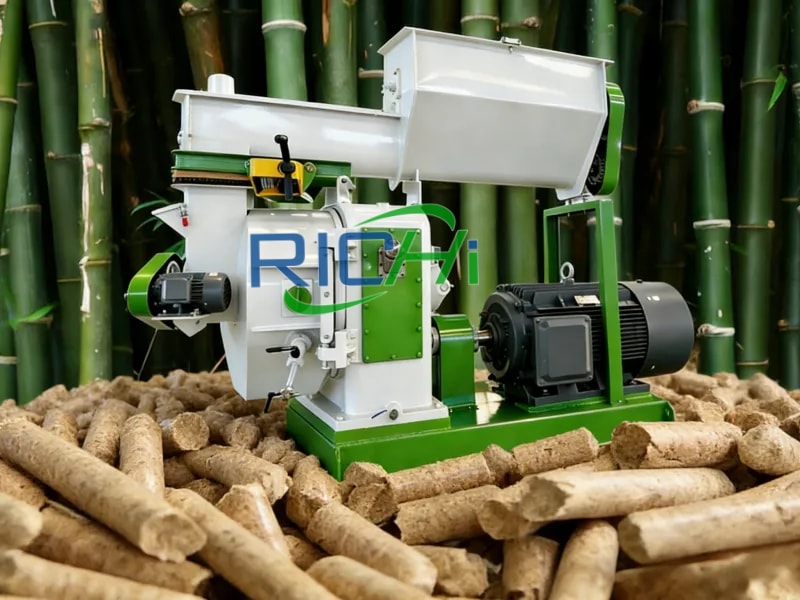
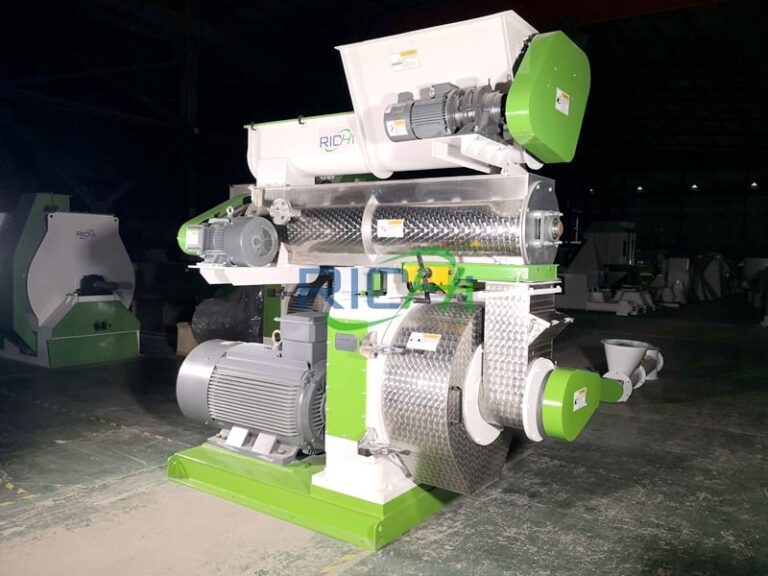
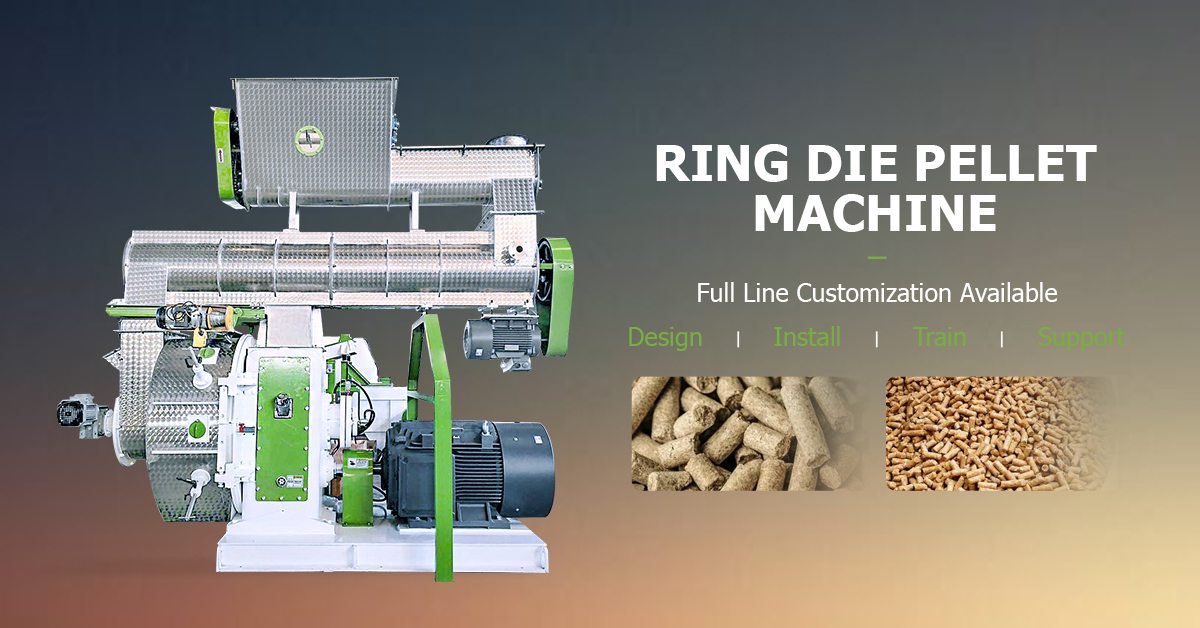
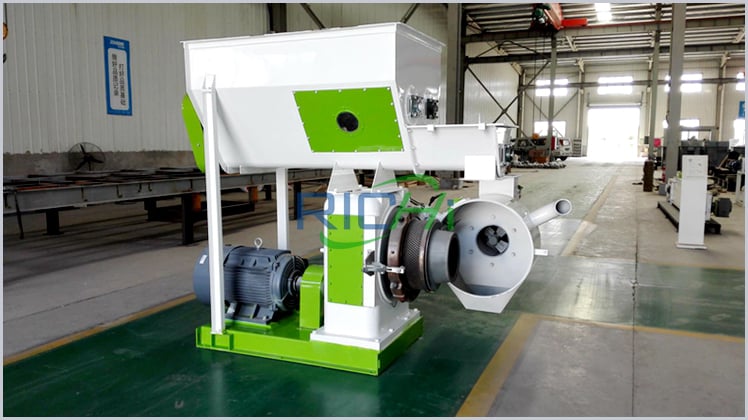
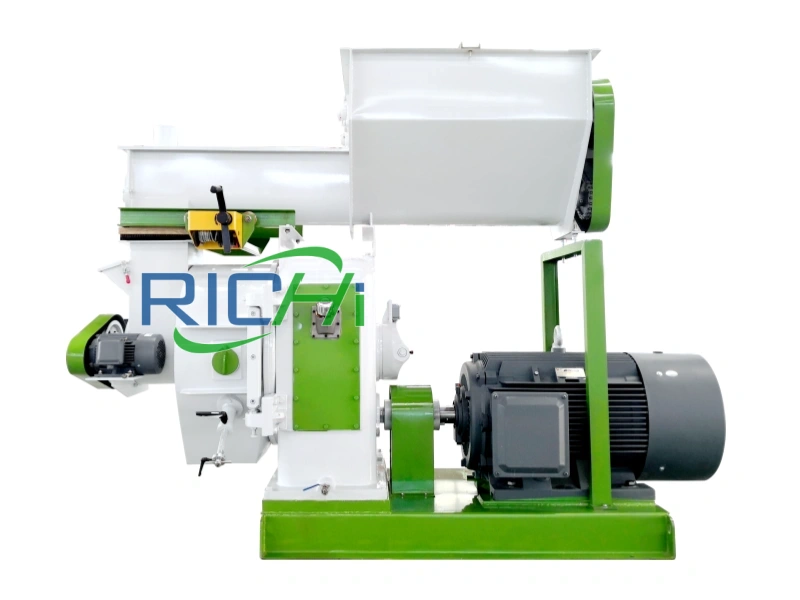
One of the most important technologies behind this transition is the straw pellet machine.
Why Straw Biomass Is Gaining Global Attention
Several factors make straw biomass attractive for renewable energy production.
Abundant Supply
Agricultural regions produce large quantities of straw annually.
Low Raw Material Cost
Crop residue is often inexpensive or treated as waste.
Renewable Energy Demand
Governments continue supporting cleaner energy solutions.
Environmental Benefits
Pelletizing straw reduces open burning and landfill waste.
Types of Straw Commonly Used in Pellet Production
- Wheat straw
- Rice straw
- Corn stalks
- Soybean straw
- Rapeseed residue
- Barley straw
Each material has unique processing characteristics that influence equipment design and production efficiency.
Why Integrated Production Systems Matter
Successful biomass factories require more than simple pelletizers.
Modern facilities typically include:
- Shredding systems
- Hammer mills
- Drying equipment
- Pelletizing units
- Cooling systems
- Packaging lines
- Dust collection systems
For industrial-scale operations, many investors choose a 5-6 T/H industrial straw pellet plant solution to improve automation, reduce downtime, and increase production consistency.
The Importance of Moisture Control
Moisture content directly affects pellet quality.
If straw is too wet:
- Pellet density decreases
- Energy consumption rises
- Production stability suffers
If straw is too dry:
- Pellet durability may decline
- Excessive dust can form
Efficient drying systems are essential for maintaining high-quality production.
How Biomass Pellets Are Produced
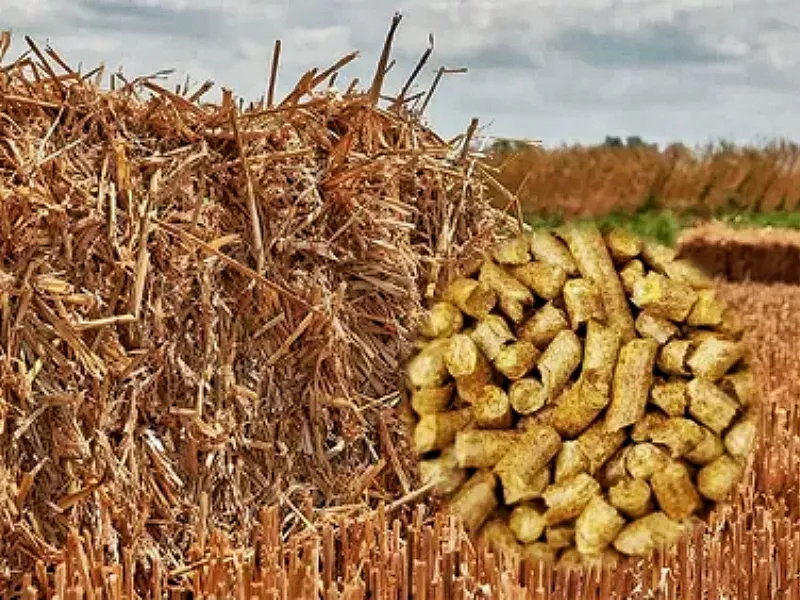
Raw Material Preparation
Straw is collected, shredded, and prepared for processing.
Grinding Process
Fibers are reduced to suitable particle size.
Drying Stage
Moisture levels are optimized.
Pelletizing
Industrial pellet plant systems compress biomass under high pressure.
Cooling and Screening
Pellets are stabilized before packaging.
Why Biomass Fuel Demand Keeps Increasing
Industries are increasingly adopting biomass fuel because of:
- Carbon reduction goals
- Coal replacement initiatives
- Rising energy prices
- Renewable energy incentives
- Sustainability reporting requirements
Biomass fuel offers a practical transition solution for industries seeking lower-emission energy systems.
Financial Advantages of Straw Pellet Projects
Low-Cost Feedstock
Agricultural waste is usually affordable and widely available.
Strong Market Growth
Renewable fuel demand continues expanding globally.
Export Opportunities
Many regions import biomass fuel pellets.
Diversified Product Applications
Pellets can be sold for heating, bedding, or industrial use.
Common Operational Challenges
Despite strong market potential, biomass projects must address:
- Seasonal raw material supply
- Transportation logistics
- Equipment wear
- Dust management
- Moisture fluctuations
Proper engineering and automation systems help minimize these risks.
Sustainability Benefits Beyond Energy Production
Biomass pellet manufacturing supports broader environmental goals.
Cleaner Air Quality
Reduced straw burning lowers air pollution.
Circular Agriculture
Waste materials become commercial resources.
Rural Economic Development
Biomass projects create jobs and local investment opportunities.
Lower Greenhouse Gas Emissions
Biomass supports renewable energy transition strategies.
Selecting the Right Biomass Equipment
Key considerations include:
- Production capacity
- Energy efficiency
- Automation level
- Equipment durability
- Technical support
- Maintenance requirements
Long-term operational stability depends heavily on equipment quality and engineering expertise.
If you want to better understand modern biomass engineering strategies, this detailed explanation of industrial pellet processing technologies may help investors evaluate future opportunities.
Future Trends in Biomass Manufacturing
The biomass sector continues evolving rapidly.
Several technologies are shaping the future:
- Smart automation systems
- AI-driven maintenance monitoring
- Energy recovery systems
- High-density pellet engineering
- Multi-feedstock processing flexibility
These innovations are improving production efficiency while supporting global sustainability goals.
(Related Post: https://www.richipelletmill.com/straw-pellet-plant/)
Conclusion
Agricultural residue is becoming one of the most important renewable resources in modern energy markets.
With advanced pellet manufacturing technology, farming economies can convert waste into profitable industrial products while reducing environmental impact.
As renewable energy demand continues rising, straw biomass processing is expected to play an increasingly important role in global energy infrastructure.