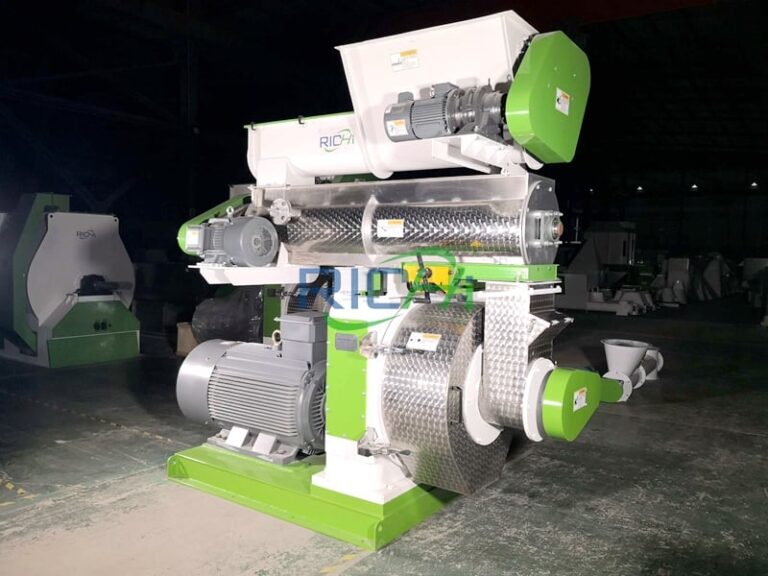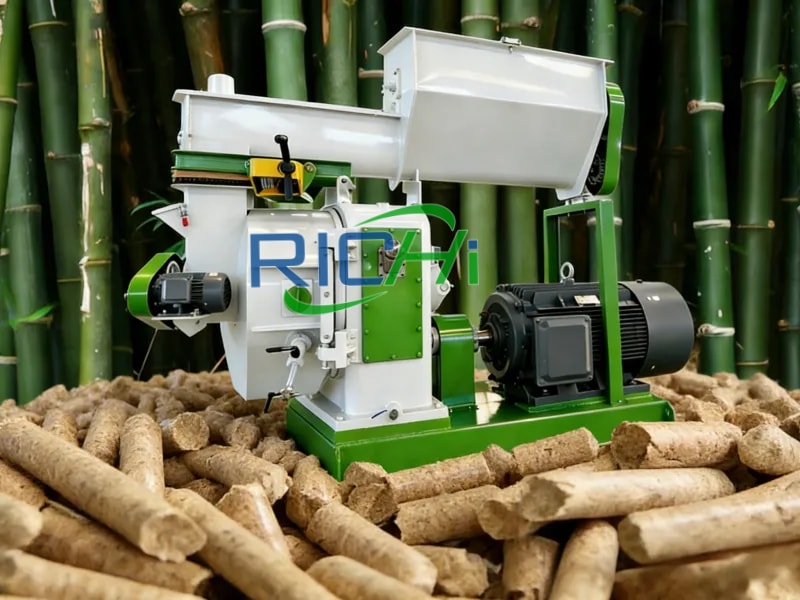


A poultry feed making machine price should be compared against the product and production scope it delivers. A farm that needs only mash feed may require a grinder and mixer, while a commercial mill producing pellets and chick crumbles needs additional conditioning, pelleting, cooling, crumbling, screening and packing equipment. Two quotations with the same hourly capacity can therefore represent very different investments.
RICHI’s poultry feed making machine price guide presents a broad reference range from approximately USD 13,500 for small flat-die configurations to multi-million-dollar turnkey lines at larger capacities. The page lists examples including USD 30,000–60,000 for 1–2 t/h ring-die lines and USD 60,000–200,000 for 3–4 t/h systems. These are indicative ranges, not guaranteed quotations. Final pricing depends on product forms, automation, storage, layout, utilities and the supplier’s scope.
Define the Feed Products Before Asking for a Price
List the products the plant must manufacture: mash, pellets, crumbles or a combination. Identify the bird type and growth stage, formula families, pellet diameter, crumble size and daily quantity. A mash-only plant has a different equipment boundary from a complete pellet line. If the plant needs chick crumbles, include a crumbler and grading screen after cooling.
Estimate the production share for each product and the number of formula changes per shift. Frequent changeovers can reduce saleable output and may require additional bins or routing. A line designed for one high-volume formula can be simpler than a flexible plant producing many recipes in small batches. The quotation should be based on the actual production schedule.
Clarify whether the required capacity refers to raw-material intake, the pellet mill or finished saleable feed after cooling and screening. This distinction is essential when comparing supplier offers. Ask each supplier to state the capacity assumptions, formula, pellet size and operating conditions behind the quoted figure.
Understand How Capacity Changes the Equipment Package
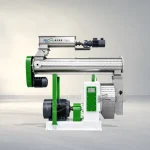
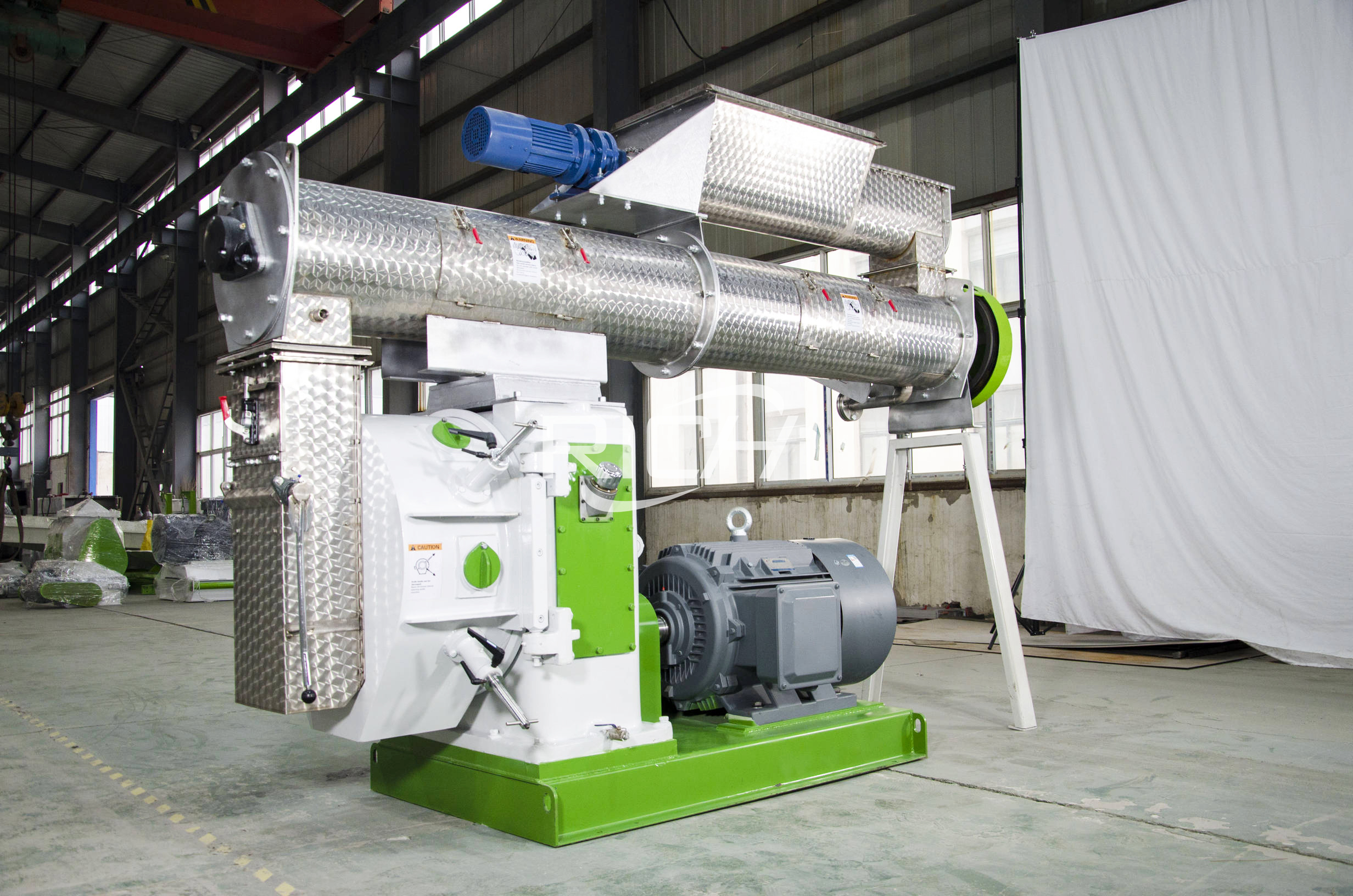
For a small flat-die process, the equipment may include a grinder, mixer and flat-die pellet machine, with basic handling and packing. A 1–2 t/h ring-die line may add a cooler, screen, conveyors and simple packing. Larger commercial plants often require batching scales, multiple storage bins, automated dosing, dust collection, crumbling and automatic packaging.
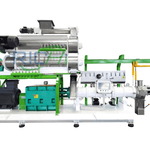
The published guide lists 3–4 t/h systems with batching, grinding, mixing, pelleting, cooling, crumbling, screening and packaging, with a reference price range of USD 60,000–200,000. Larger 10–12 t/h lines may include PLC batching and more automated material handling. These examples illustrate how scope expands; they should not be used as a direct price promise for a different site.
Storage and conveying can materially affect the quotation. A plant using bagged raw materials may need less silo and intake equipment than a facility receiving bulk grain by truck. Finished-product silos, bulk loading and palletizing add further scope. Dust collection, steel platforms and electrical controls should be listed separately so that no essential system is hidden in an allowance.
Separate Machine Price From Total Project Investment
The machinery quotation may exclude building construction, foundations, transformer, external power connection, boiler or heat source, fuel storage, water supply, freight, import duties, local taxes and installation lifting equipment. Prepare a scope matrix that identifies supplier-supplied items, buyer-supplied items and exclusions. A lower equipment price may simply reflect a smaller supply boundary.
The total investment should also consider engineering, layout drawings, electrical design, commissioning and operator training. Confirm whether the supplier provides installation guidance or sends engineers to the site, and clarify the commercial terms for travel and accommodation. These costs should be included in the project budget before comparing offers.
Working capital is another requirement. The plant needs cash for raw materials, premixes, packaging and finished-product inventory. If ingredients are seasonal or purchased in bulk, storage and cash flow may be significant. A machinery quotation does not represent the full capital needed to start production.
Evaluate Automation by Labor and Formula Accuracy
Manual or semi-automatic systems can reduce initial investment for a narrow product range, but they depend more heavily on operator accuracy and labor availability. Automatic batching and PLC control add instruments, weighing systems and programming, but can improve recipe repeatability and reduce manual handling. The right level depends on throughput, number of formulas, traceability and local labor costs.
Ask which functions are automated: ingredient weighing, liquid addition, mixer discharge, process routing, alarm handling, packing and finished-product transfer. A PLC panel alone does not make a plant fully automatic if important stages still require manual control. The quotation should identify the control scope and operator training.
Compare Operating Cost Alongside the Purchase Price
Estimate electricity, steam or heat, labor, wear parts, maintenance, packaging and raw-material handling per saleable tonne. A more automated system may cost more initially but reduce labor or improve consistency. A simpler plant may be cheaper to install but require more operators and manual transfer. Compare options over the expected operating life.
The pellet mill motor is only one part of the energy load. Grinders, mixers, conveyors, elevators, fans, cooler, crumbler, dust collector and packing equipment all consume power. If steam conditioning is used, include boiler fuel and water treatment. Ask for the installed load schedule and the assumptions used for operating consumption.
Utilization is important. A line rated for a high hourly output may have a high cost per tonne if the market demand is insufficient. Estimate realistic operating days, shifts, maintenance, formula changes and seasonal raw-material availability. A smaller balanced plant can be a better investment than an oversized line with low utilization.
Prepare a Comparable Enquiry Package
Provide target output, product forms, formula list, pellet and crumble dimensions, operating hours, raw-material sources, automation preference, site layout, available power and steam, storage needs and packaging method. If the plant is an upgrade, provide the existing equipment list and identify which machines should be retained.
Ask suppliers for a process flow, equipment list with model and motor ratings, layout, utility schedule, scope exclusions, installation responsibilities and capacity basis. Confirm whether silos, dust collection, steel structures, packing and control systems are included. This makes the offers comparable and reduces changes after the order.
Poultry Feed Equipment Quotation Audit
Use one scope matrix for every supplier. List intake, cleaning, grinding, batching, mixing, liquid addition, pelleting, cooling, crumbling, screening, conveying, dust collection, packaging, controls and storage. Mark each item included, optional, buyer-supplied or excluded, and record model, motor rating, capacity basis and quantity. Separate machinery price from building, foundations, transformer, distribution panels, field cables, heat source, external conveyors, freight, duties, taxes and commissioning. This prevents a single-machine quotation from appearing cheaper than a complete line because auxiliary equipment is omitted.
Poultry Feed Line Scope Options
A mash-only line may avoid pelleting, cooling and screening. Adding pellets requires a pellet mill and downstream cooling and screening; chick crumbles add a crumbler and grading system. Bulk grain intake may require pits, silos and elevators that are unnecessary when ingredients arrive in bags. Automatic batching adds scales, instruments, controls and programming. Price these scope changes separately and confirm which functions are actually automated. A PLC panel alone does not make the entire process automatic. Reopen the comparison when demand shifts to new feed forms, higher formula diversity or bulk storage.
Quotation Normalization Worksheet
For each supplier, create the same columns for equipment, model, quantity, included accessories, optional items, buyer-supplied works, capacity basis, delivery term and warranty. Add separate lines for freight, insurance, duties, civil works, transformer, installation, commissioning and training. Mark missing values as unconfirmed rather than treating them as zero. Compare the total installed scope and expected saleable output, and keep the approved technical scope attached to the commercial comparison.
Compare Quotations on a Landed-Cost Basis
For each offer, calculate machinery price plus the costs the buyer must pay to receive equipment at site. Depending on delivery term, these may include export packing, freight, insurance, port charges, customs duties, taxes, inland transport and unloading. Add buyer-side costs for foundations, transformer, electrical installation, building modifications, installation labor and commissioning travel where excluded. Do not add a cost twice if it is already included in the supplier’s delivery term or scope. Use the same currency and exchange-rate date when comparing offers, and separate confirmed prices from estimates.
Link the Quotation to Commissioning Acceptance
The purchase specification should state feed products, formulas, raw-material condition, target pellet or crumble dimensions, operating hours and saleable output basis. Define test duration, sampling method, utility conditions and treatment of start-up and changeover time. Attach the approved process flow and equipment list to the contract documents. If the buyer changes product mix or adds automation after order confirmation, record the change and agree its effect on cost, delivery and acceptance before implementation.
Evaluate Supplier Evidence and Service Support
Request a process flow, equipment list, model and motor data, capacity assumptions, utility schedule, layout, control description and representative test results. Check whether the supplier’s example uses a similar formula, pellet diameter and raw-material condition. Confirm the recommended initial spare-parts package, wear-part exclusions, response channel, remote support, on-site service cost and travel responsibilities. A low purchase price may create higher operating risk if critical parts have long lead times or technical support is difficult to access.
Delivery Risk and Installation Readiness
Compare manufacturing lead time, inspection arrangements, export packing and shipping schedule with the buyer’s site-readiness plan. Confirm building access, foundation completion, transformer availability, cable routes, lifting equipment and local installation labor before agreeing a delivery date. A shipment arriving before the site is ready can create storage, handling and schedule costs. Assign an owner to each pre-delivery action and track completion against the supplier’s production schedule. Keep the final approved equipment list, drawings, commercial terms and acceptance criteria together so procurement, engineering and commissioning teams work from the same scope.
Conclusion: Compare the Same Scope and Finished Output
Poultry feed making machine price depends on product form, capacity, equipment scope, automation, storage, layout and installation boundaries. Use published price ranges only for preliminary budgeting. A reliable investment comparison requires the same process route, finished-product specification and supply scope from each supplier.
For reference price ranges and equipment configurations, review the RICHI poultry feed making machine price guide. Prepare your product schedule, capacity, formula range, site information and utility details to obtain a project-specific quotation.