
With the continuous expansion of global aquaculture, the demand for high-quality fish feed has increased significantly. Modern fish farming requires feed products that provide balanced nutrition, excellent digestibility, strong water stability, and efficient utilization of raw materials. Traditional pelletizing methods can no longer fully satisfy the requirements of intensive aquaculture systems, especially when producing floating feed, slow-sinking feed, and specialized aquatic feed formulas.
Fish feed extrusion technology has become one of the most important processing technologies in the aquafeed industry. It uses a combination of heat, moisture, pressure, and mechanical shear to transform mixed raw materials into stable and highly digestible feed pellets. Through extrusion, manufacturers can improve the physical characteristics and nutritional performance of fish feed while producing different pellet types suitable for various aquatic species.
A modern wet type fish feed extruder machine is a key piece of equipment in advanced aquafeed production. It provides precise control over extrusion conditions, allowing manufacturers to produce high-quality floating and sinking fish feed with excellent expansion, water stability, and nutrient retention. Understanding how extrusion technology works and why it is important can help feed producers choose suitable equipment and develop more competitive aquaculture feed products.
Understanding Fish Feed Extrusion Technology
Fish feed extrusion technology is a manufacturing process that uses mechanical and thermal energy to process feed ingredients under controlled conditions. During extrusion, a mixture of ground raw materials, water, steam, and other additives is continuously pushed through an extrusion chamber by rotating screws. The combined effects of pressure, temperature, and friction modify the structure of the feed mixture and form it into pellets.
Unlike traditional feed pelletizing, which mainly relies on mechanical compression, extrusion creates significant physical and chemical changes in raw materials. The process improves ingredient binding, enhances starch gelatinization, reduces anti-nutritional factors, and creates feed pellets with better performance in water.
The basic principle of extrusion involves several key factors:
- Heat treatment: High temperatures improve ingredient digestibility and help eliminate harmful microorganisms.
- Moisture addition: Water and steam improve processing conditions and support starch gelatinization.
- Mechanical shear: Internal friction changes the structure of raw materials and improves pellet formation.
- Pressure control: Pressure inside the extrusion chamber determines pellet expansion and density.
By carefully adjusting these parameters, manufacturers can produce feed products with specific characteristics required by different fish species.
Why Is Fish Feed Extrusion Technology Important?
Aquatic animals have special feeding behaviors and nutritional requirements. Fish feed must remain stable in water while allowing fish to efficiently absorb nutrients. Poor-quality feed can lead to nutrient loss, water pollution, and higher production costs.
Fish feed extrusion technology solves many common problems in aquafeed production by improving:
Nutritional Availability
Many plant-based ingredients used in fish feed contain complex structures or anti-nutritional factors that limit nutrient absorption. Extrusion processing breaks down these structures and improves nutrient availability.
Feed Stability
Extruded pellets maintain their shape longer in water, reducing nutrient leakage and feed waste.
Feeding Efficiency
Floating and slow-sinking pellets allow farmers to better monitor feeding activity and adjust feeding strategies.
Production Flexibility
Extrusion technology can produce various feed types for different species, including tilapia, carp, catfish, salmon, trout, shrimp, and other aquatic animals.
These advantages make extrusion an essential technology for modern commercial aquafeed production.
The Main Process of Fish Feed Extrusion
Although extrusion systems may vary depending on production capacity and feed requirements, the general fish feed extrusion process includes several important stages.
Raw Material Preparation
The first step is selecting and preparing suitable ingredients. Common fish feed raw materials include:
- Fish meal
- Soybean meal
- Wheat flour
- Corn
- Rice bran
- Fish oil
- Vegetable oils
- Protein concentrates
- Vitamins and minerals
Raw materials must be cleaned to remove impurities and then processed into appropriate particle sizes through grinding.
Proper preparation ensures better mixing performance and improves the efficiency of the extrusion process.
Ingredient Grinding
Grinding reduces raw materials into fine particles, increasing the surface area available for processing. Fine grinding helps ingredients mix evenly and improves the final pellet structure.
For high-quality aquatic feed production, consistent particle size is especially important because fish require feed pellets with uniform texture and good digestibility.
Mixing and Conditioning
After grinding, different ingredients are accurately measured and mixed according to the feed formula. A uniform mixture ensures that every pellet contains balanced nutrients.
Before entering the extruder, the mixture is usually conditioned by adding water, steam, or liquid additives. Conditioning improves moisture distribution and prepares the material for extrusion.
Extrusion Processing
Extrusion is the core stage of the entire production process. Inside the extruder, the feed mixture is compressed and heated under high pressure. The screw system pushes the material forward while mechanical friction generates additional heat.
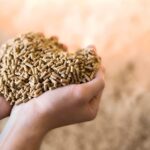
When the material exits through the die holes, the sudden pressure release causes expansion. This expansion creates a porous structure inside the pellets, which influences buoyancy and digestibility.
The extrusion process determines many final feed characteristics, including:
- Pellet density
- Floating ability
- Water stability
- Texture
- Digestibility
Drying and Cooling
Freshly extruded pellets contain relatively high moisture content and must be dried before storage. Drying reduces moisture levels and improves shelf life.
After drying, cooling removes residual heat and stabilizes pellet quality.
Screening and Packaging
The final stage involves screening broken pellets and separating products according to size. Qualified feed pellets are then packaged for transportation and storage.
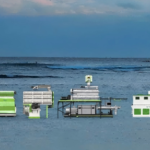
(Related machine: industrial aqua feed plant)
Types of Fish Feed Extrusion Equipment
Different extrusion systems are available according to production requirements and feed formulas. The two most common types are dry type and wet type extrusion machines.
Dry Type Fish Feed Extruder
Dry extrusion systems use relatively low moisture levels and rely mainly on mechanical friction to generate heat. They are commonly used for small-scale fish feed production because of their simple structure and easy operation.
Dry extruders are suitable for producing various aquatic feed products, but their expansion performance may be more limited compared with wet extrusion systems.
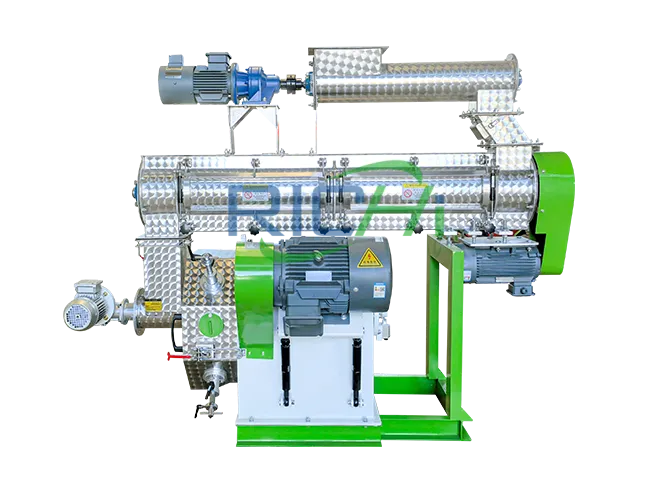
Wet Type Fish Feed Extruder Machine
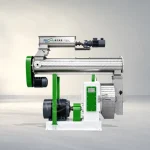
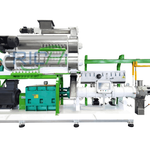
A wet type fish feed extruder machine is widely used in large-scale commercial fish feed plants because it provides better control over moisture, temperature, and pressure during processing.
Unlike dry extrusion systems, wet extrusion introduces steam and water directly into the conditioning process. This creates a more stable processing environment and improves starch gelatinization.
The main advantages of wet extrusion include:
- Higher feed expansion rate
- Better floating performance
- Improved pellet durability
- Higher nutritional digestibility
- More stable production quality
For manufacturers producing premium floating fish feed, wet extrusion is often the preferred solution.
https://richipelletizer.com/wet-type-fish-feed-extruder
How Extrusion Improves Fish Feed Quality
The popularity of extrusion technology comes from its ability to significantly improve the overall quality of aquatic feed.
Improved Starch Gelatinization
Starch plays an important role in fish feed because it helps bind ingredients together and provides energy. However, raw starch is difficult for fish to digest.
During extrusion, heat and moisture cause starch molecules to absorb water and expand. This gelatinization process improves digestibility and creates stronger pellet structures.
Reduced Anti-Nutritional Factors
Some plant ingredients contain compounds that reduce nutrient absorption. Extrusion can deactivate many of these substances, allowing fish to utilize feed nutrients more efficiently.
Better Water Resistance
Extruded pellets have a compact structure and strong binding ability. This allows them to remain intact in water for longer periods, reducing nutrient loss.
Enhanced Feed Conversion Ratio
Because nutrients are easier to digest and absorb, fish can convert feed into body weight more efficiently. Improved feed conversion reduces farming costs and increases profitability.
Improved Pellet Appearance
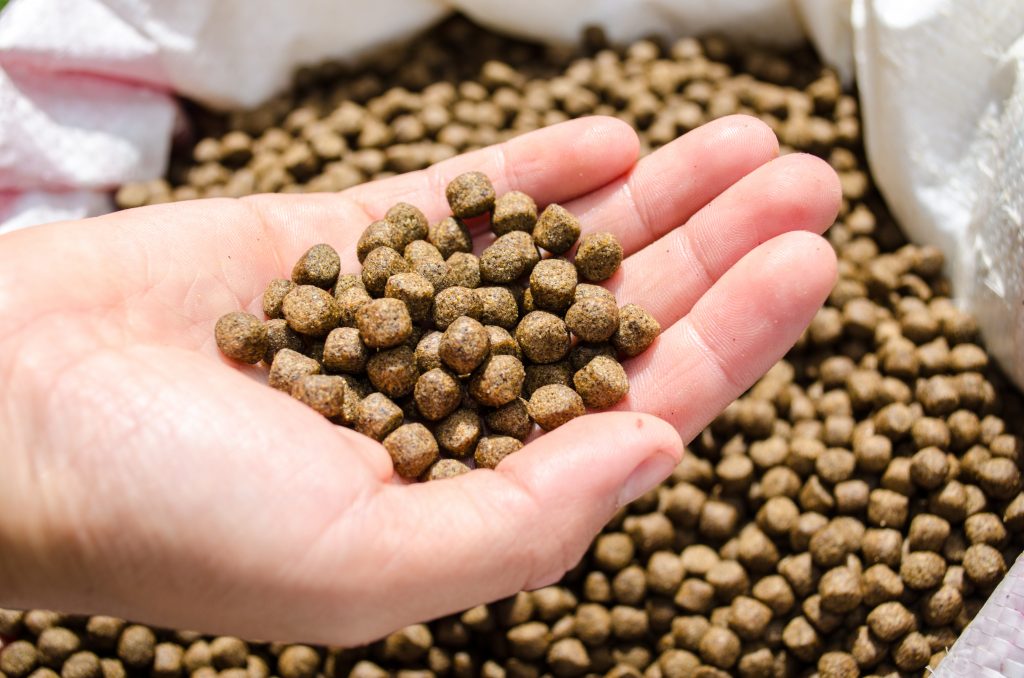
Extrusion produces smooth, uniform pellets with consistent size and density. High-quality appearance improves market acceptance and feeding performance.
Factors Affecting Fish Feed Extrusion Performance
To achieve stable feed quality, manufacturers must carefully control several extrusion parameters.
Moisture Content
Moisture affects material flow, expansion, and pellet structure. Too little moisture may cause unstable processing, while excessive moisture may reduce expansion.
Temperature
Temperature influences starch gelatinization and nutrient changes. Proper temperature control ensures effective processing without damaging sensitive nutrients.
Screw Speed
Screw speed affects residence time and mechanical shear inside the extrusion chamber. Adjusting speed allows operators to control pellet characteristics.
Die Design
The size and shape of die holes determine pellet diameter and appearance. Different fish species require different pellet sizes.
Raw Material Formula
Ingredient composition directly influences extrusion performance. Protein levels, starch content, and oil addition must be balanced to achieve optimal results.
Applications of Fish Feed Extrusion Technology
Fish feed extrusion technology is widely applied in different aquaculture sectors.
Freshwater Fish Farming
Species such as tilapia, carp, and catfish require stable feed products that support rapid growth and efficient nutrient utilization.
Marine Fish Farming
Marine species often require high-protein feed with excellent water stability. Extrusion helps produce specialized marine fish feed formulas.
Shrimp and Crustacean Feed Production
Extrusion technology can also produce feed with suitable hardness and water stability for shrimp farming.
Research and Specialty Feed Development
Feed manufacturers use extrusion systems to develop new formulas, including functional feed containing probiotics, additives, or alternative proteins.
The Future Development of Fish Feed Extrusion Technology
As aquaculture becomes more advanced, extrusion technology will continue to improve. Future developments will focus on automation, energy efficiency, and sustainable feed production.
Modern extrusion systems are increasingly equipped with:
- Automatic control systems
- Digital monitoring technology
- Energy-saving components
- Precise temperature regulation
- Customized production solutions
At the same time, the increasing use of alternative protein sources will create new challenges for feed processing. Extrusion technology will help manufacturers process these ingredients while maintaining feed quality and nutritional value.
Conclusion
Fish feed extrusion technology is a modern processing method that transforms raw ingredients into high-quality aquatic feed through controlled heat, moisture, pressure, and mechanical force. It improves feed digestibility, water stability, pellet quality, and production efficiency, making it an essential technology for commercial aquaculture.
Among different extrusion solutions, the wet type fish feed extruder machine provides excellent processing performance for producing premium floating and sinking fish feed. With better starch gelatinization, higher expansion ability, and more stable production results, wet extrusion has become an important choice for large-scale fish feed manufacturers.
As global demand for aquaculture products continues to grow, advanced extrusion technology will play an increasingly important role in producing efficient, sustainable, and high-performance fish feed for the future.