




An animal bedding pellet machine should be chosen according to the animal, the bedding function and the physical behavior of the raw material. Wood shavings used in horse stables, straw bedding for cattle, poultry litter and plant-based cat litter may all be sold as pellets, but they do not share one universal specification. Absorbency, dust, pellet strength, breakdown behavior, hygiene and packaging requirements vary by application. The process must therefore start with the intended use and material supply rather than a generic machine capacity.
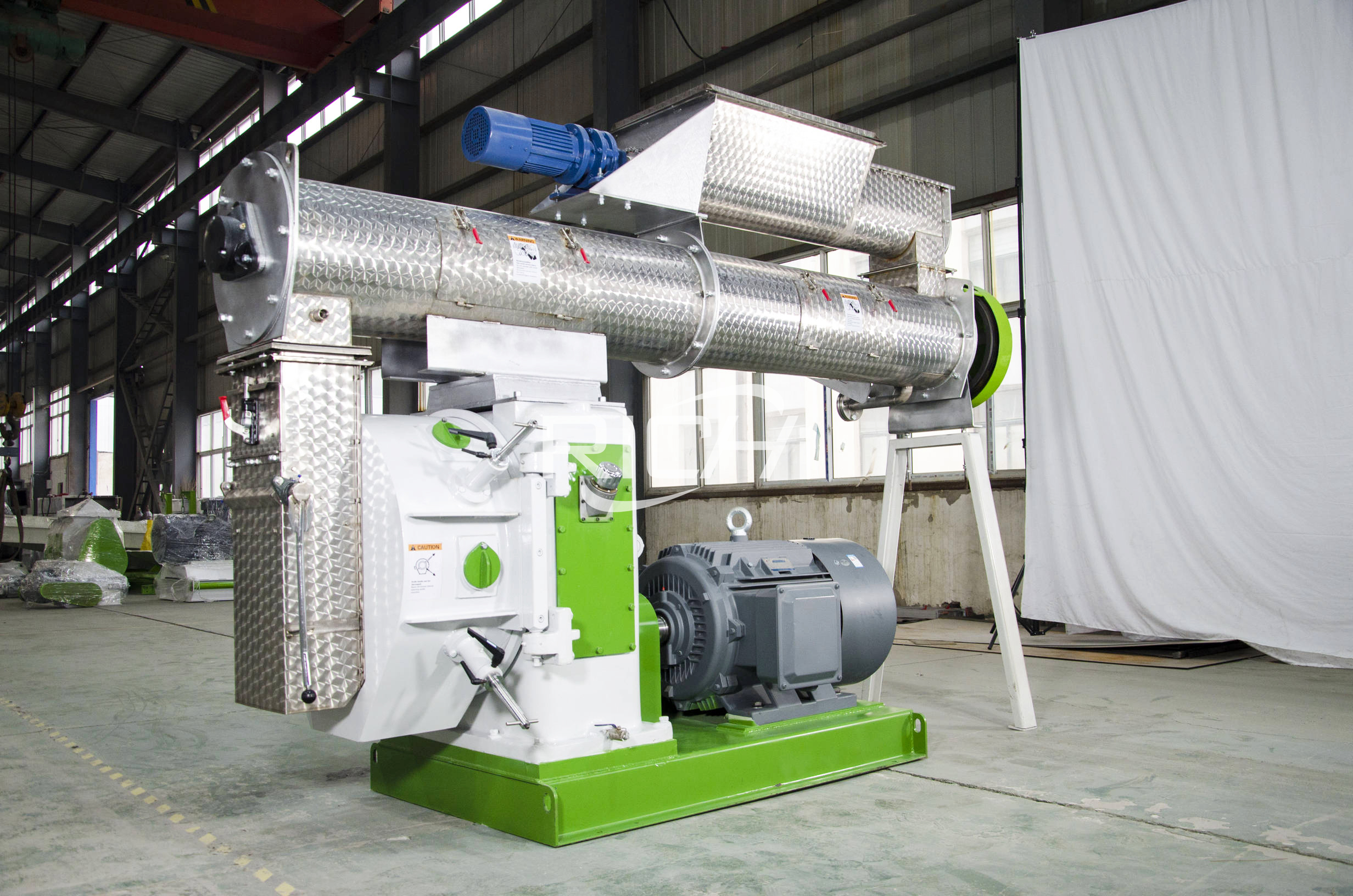
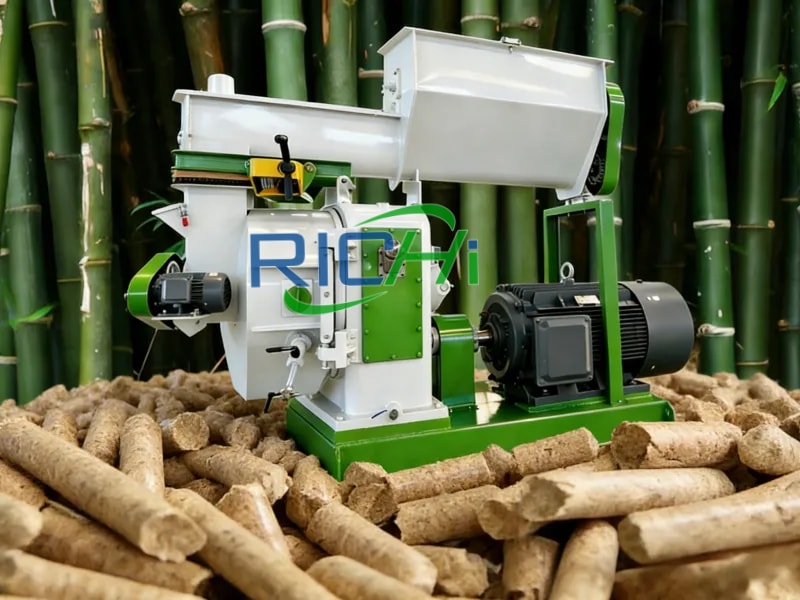
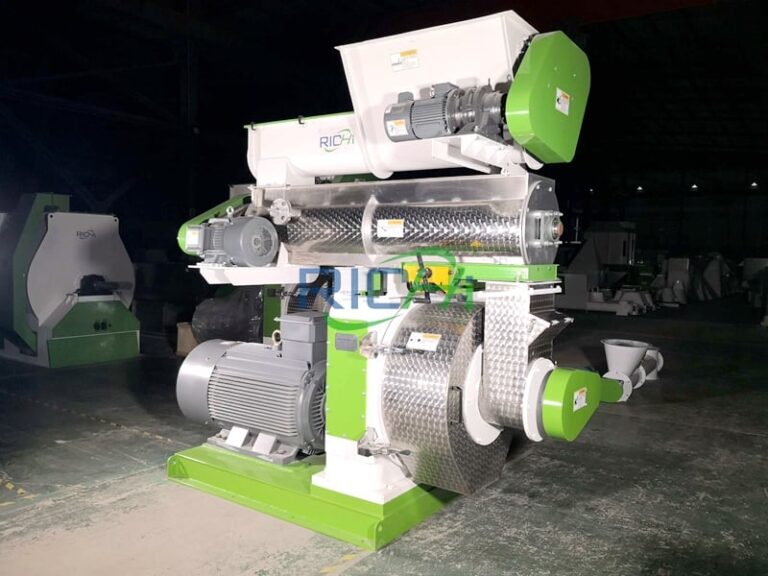
RICHI’s animal bedding pellet machine range is presented for cat litter, stable bedding, poultry bedding and other pet or livestock bedding, with a stated production range of 0.2–40 t/h. The product information describes ring-die compression using a ring die and pressure rollers, with equipment configurations adapted to wood, straw, agricultural by-products, herbaceous materials, minerals and grains. The page’s project references show why a single machine specification cannot be applied to every bedding material.
Define the Bedding Function Before Selecting the Pellet
Horse and cattle bedding is expected to absorb moisture, remain manageable in stalls or barns and limit dust during handling. Poultry bedding has different requirements related to litter condition, moisture management and the way birds interact with the material. Cat litter must be evaluated for absorbency, clumping, dust and product cleanliness. Tofu-based, bentonite and pine-based litter are separate product routes, not simply different names for the same pellet.
Prepare a product specification that identifies the animal or application, pellet diameter and length, required strength, moisture absorption, dust level, breakdown behavior and packaging. For bedding used internally on a farm, the buyer may prioritize ease of spreading and bulk handling rather than retail packaging. A distributor selling bagged cat litter may need more precise particle sizing, clumping behavior and product presentation. These differences affect the process and the quality checks.
If the plant will serve several bedding markets, treat them as separate product recipes. A horse bedding pellet made from wood shavings should not be assumed to meet cat-litter requirements. The same press may be used for more than one product only when the prepared material, die, formulation and process settings are suitable and the changeover procedure prevents cross-contamination.
Qualify the Raw Material and Its Seasonal Variation
Wood shavings, sawdust, straw, alfalfa, grain by-products, plant fibers and mineral materials have different bulk density, fiber structure, moisture behavior and compression characteristics. A material that forms pellets easily may not deliver the required absorbency or dust performance. A supplier’s statement that a material is pelletizable is not enough; representative samples should be tested against the finished product specification.
Map the supply sources and record material form, monthly volume, moisture range, particle size, contamination, delivery frequency and storage conditions. A dairy farm using its own shavings may have a steady but limited supply, while an agricultural cooperative using straw may receive most of its raw material during harvest. The production schedule and storage system should reflect this supply pattern.
Keep batches identifiable where material quality varies. Wet straw, dry shavings and mixed agricultural residues may need separate storage or controlled blending. Contaminants such as soil, stones, metal, plastic and twine should be removed before grinding and pelleting. A cleaning system protects the machinery and helps keep the finished bedding consistent.
Prepare Fibrous and Bulky Materials for Stable Feeding
Long fibers and bulky straw usually require bale breaking, shredding or crushing before the material reaches the pellet mill. The objective is a particle distribution that feeds consistently and forms the required pellet without unnecessary fine grinding. Too-coarse material can bridge in hoppers or produce weak pellets; excessive grinding increases energy use and dust. The correct size should be confirmed through trials with the selected die and product specification.
Some materials require drying before pelleting. The bedding page notes that high-moisture raw materials can cause clogging, material blockage and poor pellet formation. Dryer selection should be based on incoming moisture, target moisture, wet-feed rate and water-removal duty. For fibrous materials, the choice between rotary drum and mesh-belt drying depends on whether the material can tolerate tumbling or needs gentler handling.
Where several ingredients are blended, a mixer may be required to distribute the components and any additives consistently. Tofu cat litter, for example, may use soy residue, plant fibers and other formulation ingredients and can require crushing, drying, mixing, conditioning, cooling, screening and packaging. The exact process should follow the product requirements and validated formulation, not a generic bedding recipe.
Match the Pelletizing System to Material Compression
The ring-die pelletizing system compacts prepared material between the ring die and pressure rollers. The machine should be configured around the material’s fiber structure, moisture, particle size and required pellet dimensions. RICHI describes arch-breaking and forced-feeding arrangements to support consistent feeding of light or fibrous material. These features help address bridging, but the receiving hopper and feeder still need to be tested with the buyer’s actual raw material.
Die selection and roller adjustment influence pellet density, strength and the amount of fines generated. A pellet that is too hard may not break down or absorb as intended for a particular bedding application; a weak pellet may break during conveying and packaging. The desired result should be specified through practical product tests rather than relying only on visual appearance or press output.
The page describes freshly formed pellets reaching approximately 80°C and requiring cooling to set their structure and increase hardness. Cooling capacity should match the press output and product dimensions. Screening removes fines and undersized pieces; any return route should be controlled so that recycled material does not overload the line or mask an upstream problem.
Design the Line Around Its End Use and Dispatch Method
A complete bedding pellet line may include cleaning, crushing, drying, mixing, pelletizing, cooling, screening, conveying and packaging. The exact process varies with the raw material. A wood-based horse bedding line may use existing sawdust and shavings with relatively simple preparation, while a plant-based cat litter line may require additional ingredient handling and formulation. A straw bedding line may need bale breaking and more extensive size reduction.
Packaging should reflect whether the product is used on the owner’s farm or sold through distributors. Bulk bags can suit internal farm consumption, while smaller bags may be necessary for retail or stable supply. Confirm bag weight, packing rate, weighing accuracy, palletizing and warehouse conditions. Pellets should be protected from moisture pickup and mechanical damage during storage and transport.
The layout should separate raw-material receiving from finished-product dispatch and provide access for maintenance. Confirm foundations, floor levels, lifting routes, motor access, die replacement clearance, screen cleaning and safe isolation points. Dust collection should be coordinated with crushing, transfer, screening and packing, with filter access and a clear cleaning procedure.
Prove Bedding Performance With an Application-Based Trial
A useful trial uses the actual raw material and formulation planned for commercial production. Record source, moisture, particle size, cleaning results, formula, additive dosage where applicable, feeder setting, die, pellet dimensions, press output, cooling conditions, fines and packaged yield. Test the finished pellets for the properties that matter to the intended application: absorption, dust, strength, breakdown or clumping as appropriate.
For a farm producing bedding for its own barns, the trial should include practical handling and use conditions. For a commercial cat litter product, test absorbency, clumping, dust and product cleanliness against the buyer’s specification. For poultry bedding, confirm the physical condition and handling characteristics required by the farm. One generic pellet durability test cannot replace application-specific acceptance.
Acceptance criteria should define the test period, sampling method, product specification, utility conditions and saleable output after cooling and screening. If the plant uses more than one material, test the main material blends separately. Record deviations and corrective actions, then repeat the test under comparable conditions so the final operating settings can be reproduced.
Conclusion: Select the Bedding Pellet Machine by the Job the Pellet Must Perform
A suitable animal bedding pellet machine is one that forms a consistent pellet from the customer’s actual material and delivers the absorbency, strength, dust level and handling behavior required by the end user. Wood, straw, plant fibers, grain by-products and mineral materials may need different preparation, conditioning and die configurations. The full line must be balanced from receiving through packaging.
For machine types and project applications, review the RICHI animal bedding pellet machine range. Prepare representative raw-material samples, intended animal or product use, target pellet dimensions, moisture range, hourly output and site information before finalizing the process.
The operator should treat raw-material changes as a process change, even when the product name remains the same. A new supplier may deliver straw with a different fiber length or moisture range, while wood shavings can vary in particle size and bulk density. Record the source and condition of each batch, then compare the first production run with the validated reference settings. If the pellet breaks down too quickly, creates more fines or absorbs less moisture than expected, inspect preparation, moisture and die condition in a controlled sequence. Avoid changing several machine settings simultaneously, because that makes the result difficult to interpret. Retaining representative raw-material and finished-product samples provides a useful reference for future troubleshooting and supplier discussions.