
Sheep farming looks simple from the outside. You keep animals on pasture, move them between paddocks, and sell lambs when they reach weight. Anyone who has actually run a flock knows the reality is different. Feed costs swallow the largest share of the budget, pasture quality swings with the weather, and the margin between profit and loss often comes down to how well you manage nutrition across the year.
That is why more ranch owners are looking closely at how they process their own feed. Buying finished pellets is convenient, but the price per ton rarely works in your favor once flock size grows. On the other side, mixing raw grain and hay by hand leaves you guessing at nutrient balance and wastes a lot of feed through sorting and spoilage.
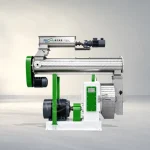
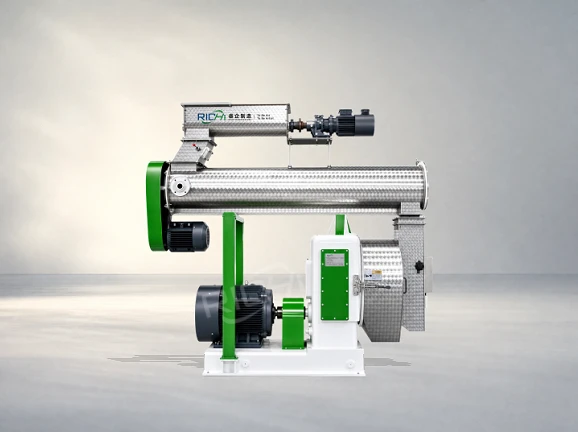
A sheep feed pellet machine sits in the middle of that problem. It lets a farm or ranch take locally available ingredients and turn them into a consistent, balanced, easy-to-handle feed. But the machine itself is only one piece of a larger decision that touches raw materials, flock management, labor, storage, and long-term cost control.
This article looks at the whole picture. Not just what a pellet machine does, but why sheep nutrition is difficult to manage, what ingredients work well, how processing changes feed value, and what a ranch should think about before investing in equipment.
Why Sheep Nutrition Is Harder Than It Looks
Sheep are ruminants. Their digestive system is built around fermentation, which means they can extract energy from fibrous material that pigs and poultry cannot use. That sounds like an advantage, and it is. But it also means their nutritional needs shift constantly depending on age, weight, pregnancy status, lactation, and season.
A dry ewe maintenance ration looks nothing like a ration for a lactating ewe producing milk for twins. A growing lamb needs higher protein and energy density than a mature wether. Breeding rams have their own requirements. If you feed one mix to the whole flock, some animals get too much and others get too little.
Pasture alone rarely covers these differences year-round. In spring, grass may be lush and high in moisture. By late summer, it can dry out and lose protein. In winter, if you rely on stored hay, quality depends entirely on when it was cut and how it was stored. Rain damage, mold, and leaf shatter all reduce feed value.
This variability is the core problem. Sheep respond to inconsistency with slower growth, lower conception rates, and higher feed conversion ratios. A ration that was adequate last month may be deficient this month, even if the animals are eating the same amount.
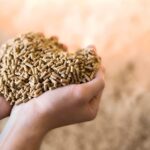
Processing feed into pellets addresses part of this problem by locking in a consistent mix. Every bite contains roughly the same proportion of grain, forage, protein supplement, minerals, and additives. That reduces sorting, which is a major source of waste in loose mixed rations. Sheep will pick out the tasty bits and leave the rest, and the rest is often the expensive part.
What Changes When You Pellet Feed
Pelleting is not just grinding and shaping. The process involves moisture, heat, and pressure, and those factors change the feed itself.
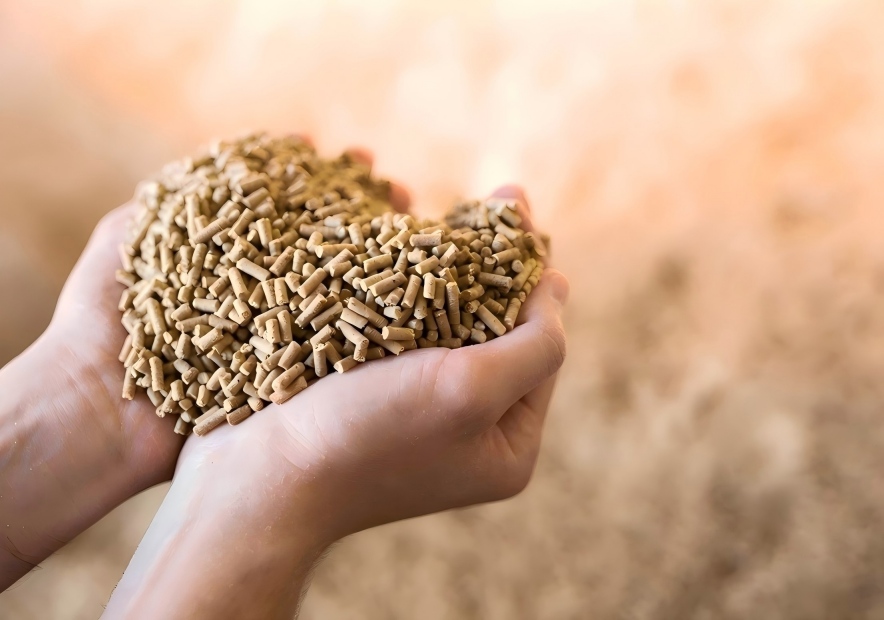
When feed ingredients pass through a pellet mill, the friction and steam raise the temperature. Starch gelatinizes to some degree, which makes it more accessible to digestive enzymes. Fiber structure softens. The result is a feed that is often more digestible than the same ingredients fed loose.
Pellets also reduce selective feeding. Sheep cannot sort a pellet the way they sort a loose mix. This matters when you are including minerals, vitamins, or protein supplements that animals would otherwise avoid.
There is a handling benefit as well. Pellets flow better than meal. They are easier to store, easier to transport, and easier to feed out with simple equipment. On a ranch where labor is limited, that reduction in handling time adds up over a season.
Dust is another factor that often gets overlooked. Loose feed creates dust, and dust leads to waste and respiratory irritation. Pellets largely eliminate that problem.
None of this means pelleting is automatically the right choice for every operation. It adds cost, requires equipment, and demands some technical knowledge. But for ranches with a consistent flock size and access to affordable raw materials, the economics can be compelling.
Matching the Machine to the Flock
The single biggest mistake buyers make is choosing a machine based on price alone. Capacity, power supply, die configuration, and intended use all matter more than the sticker price.
A small operation with 50 to 100 sheep may only need a few hundred kilograms of feed per day. A mid-sized ranch with several hundred animals may need one to two tons per day. A commercial operation supplying multiple farms could need much more.
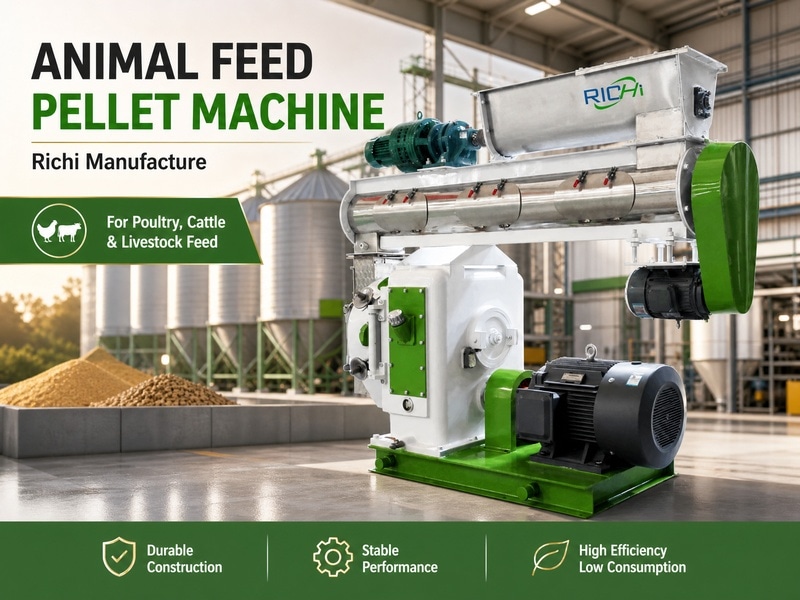
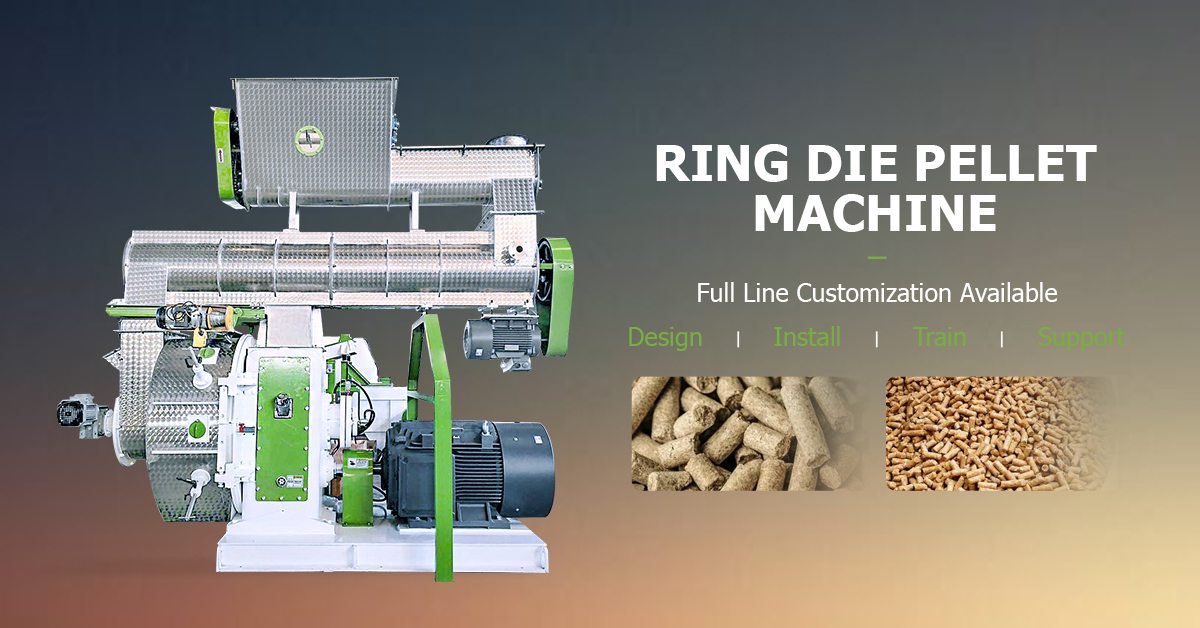
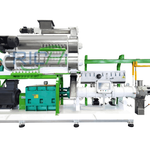
The sheep feed pellet machine for ranch use category covers a wide range. Some units are designed for on-farm production with modest output. Others are built for continuous operation and higher throughput. The right choice depends on how many animals you are feeding, how often you plan to run the machine, and whether you intend to sell surplus pellets.
Power supply is a practical constraint that catches people off guard. Electric pellet mills need a stable three-phase supply at the right voltage. If your ranch is on a single-phase line, you may need a generator or a different machine configuration. Diesel-driven units offer flexibility in remote locations but cost more to run.
Die size and compression ratio also affect performance. Different ingredients require different die configurations. A die that works well for high-grain rations may not perform as well with high-fiber forage mixes. Buyers who ignore this end up with poor pellet quality, high energy consumption, and frequent die wear.
Moisture content of the raw material is another variable. Too dry, and the feed will not bind well. Too wet, and the pellets will be soft and prone to mold. Most pellet mills perform best within a specific moisture range, and adjusting that range often requires adding water or drying ingredients before processing.
Raw Materials That Work Well for Sheep
Sheep can utilize a wide range of feedstuffs, and that flexibility is one of the advantages of raising them. A practical pelleted ration might include several of the following:
- Corn and barley for energy
- Soybean meal, canola meal, or sunflower meal for protein
- Alfalfa meal or other legume forage for fiber and protein
- Grass hay or straw for fiber, in limited amounts
- Wheat bran or middlings as a palatable filler
- Molasses for binding and palatability
- Limestone, dicalcium phosphate, and salt for minerals
- Vitamin and mineral premixes for specific production stages
- Urea in carefully controlled amounts for ruminant protein synthesis, though this requires expert guidance
Local availability drives most of these choices. In grain-growing regions, corn and barley are usually the cheapest energy sources. In areas with alfalfa production, that crop often becomes the backbone of the ration. The goal is to build a balanced diet from what you can source reliably and affordably.
Forage inclusion is where sheep rations differ from poultry or swine feed. Sheep need fiber to maintain rumen health. A pellet that is too concentrated can cause digestive upset. Many successful sheep pellets include 30 to 50 percent forage material, depending on the class of animal being fed.
The Cost Question
Feed is the largest recurring cost in any sheep operation. According to common industry figures, feed can represent 60 to 70 percent of total production costs. That means even a small improvement in feed efficiency has a large impact on profitability.
Buying finished pellets from a feed mill is the simplest option, but you pay for the mill’s processing, transport, and margin. For a ranch with a few dozen animals, that may be fine. For a larger operation, the per-ton cost becomes hard to justify.
Making your own pellets changes the math. You still pay for ingredients, but you capture the processing margin yourself. You also gain control over formulation, which means you can adjust the ration as prices shift or as your flock’s needs change.
The trade-offs are real. You need equipment, labor, storage space, and some technical skill. You need a reliable supply of raw materials. You need to manage die wear and maintenance. And you need enough volume to justify the investment.
That last point is critical. A pellet machine that runs a few hours per week may not pay for itself quickly. A machine that runs daily and replaces purchased feed can pay back in a reasonable period, especially if local ingredient prices are favorable.
Getting the Feed Formulation Right
Equipment alone does not solve nutrition problems. A pellet machine will faithfully produce pellets from a poorly balanced ration, and those pellets will underperform.
Formulation starts with knowing your animals’ requirements. That means understanding the nutritional profile of your ingredients and matching them to the needs of your flock. For many ranchers, the practical approach is to work with an extension service, a nutritionist, or an experienced feed supplier to develop a base formula.
The formula should account for:
- Energy content, usually expressed as total digestible nutrients or metabolizable energy
- Crude protein level
- Fiber content, both acid detergent fiber and neutral detergent fiber
- Mineral balance, especially calcium and phosphorus
- Vitamin supplementation
- Palatability and intake
It should also account for the pelleting process itself. Some vitamins degrade under heat. Moisture content changes during conditioning. These factors matter more in large-scale production but should not be ignored at any scale.
Pelleting as Part of a Larger Feeding System
A pellet machine is most effective when it is part of a planned feeding system, not a standalone purchase. That system includes ingredient sourcing, storage, grinding, mixing, pelleting, cooling, and feeding.
Grinding comes first. Ingredients need to be reduced to a consistent particle size before mixing and pelleting. A hammer mill is the usual choice. Particle size affects pellet quality, digestibility, and energy consumption during pelleting.
Mixing follows. A horizontal mixer or vertical mixer blends ingredients into a uniform mass. Uniformity matters because sheep cannot sort pellets, but they can sort poorly mixed meal before it is pelleted. Inconsistent mixing leads to inconsistent nutrient intake.
Pelleting is next, followed by cooling. Freshly made pellets are hot and moist. If they are bagged or stored immediately, condensation leads to mold. A counterflow cooler or simple air-drying setup resolves this.
Storage is the final piece. Pellets should be kept dry and protected from pests. Moisture migration is the main enemy. A well-ventilated shed or bin works for most ranch-scale operations.
Maintenance and Uptime
Pellet mills are mechanical devices, and like all mechanical devices, they need attention. Dies wear out. Rollers need adjustment. Bearings need lubrication. Belts need tensioning.
The most common maintenance issue is die wear. As the die wears, pellet quality drops and energy consumption rises. Replacing the die at the right time keeps the machine running efficiently. Running a worn die too long wastes electricity and produces inferior pellets.
Roller adjustment matters too. The gap between roller and die affects how effectively material is pressed through the die. Too loose, and the machine will not form good pellets. Too tight, and wear accelerates.
Lubrication schedules vary by machine, but the principle is universal. Follow the manufacturer’s recommendations. Keep a maintenance log. Train the person who operates the machine to recognize early signs of trouble, such as unusual noise, vibration, or temperature rise.
Spare parts availability is worth considering before purchase. A machine that sits idle waiting for a die or roller costs money. Buying from a supplier who stocks common wear parts reduces that risk.
Labor and Daily Operation
How much labor does on-farm pelleting require? That depends on scale and automation. A small setup might need one person for a few hours per batch. A larger line with automated conveying, mixing, and cooling can run with minimal supervision once started.
The key is to design the workflow so that material flows smoothly from storage to finished pellets. Manual handling at every step is exhausting and inefficient. Conveyors, augers, and bins reduce labor and make the process more consistent.
For ranches where labor is scarce, automation is not a luxury. It is a way to keep the operation running during busy seasons when everyone is needed elsewhere. A system that can be started and monitored rather than constantly attended frees up time for animal care and other work.
Quality Control at the Ranch Level
You do not need a laboratory to produce good pellets, but you do need some basic quality checks.
Pellet durability is the first. Good pellets hold together during handling and transport. If they crumble easily, something is wrong with moisture, die condition, or formulation. A simple durability test involves shaking a sample and seeing how much breaks apart.
Moisture content is the second. Pellets that are too wet will mold. Pellets that are too dry may be brittle. A moisture meter is a worthwhile investment for anyone producing feed regularly.
Color and smell are useful indicators. Fresh, well-made pellets have a characteristic aroma and consistent appearance. Off smells suggest spoilage or ingredient problems.
Finally, observe the animals. Feed intake, body condition, and growth rate tell you whether the ration is working. If animals are leaving pellets or losing condition, the problem may be nutritional rather than mechanical.
When a Pellet Machine Makes Sense
Not every sheep operation needs a pellet machine. Small flocks with access to good pasture and affordable purchased feed may be better off without the capital expense and labor burden.
A pellet machine tends to make sense when:
- Flock size is large enough to justify daily or near-daily production
- Raw ingredients are available locally at favorable prices
- Purchased pellet costs are high or supply is unreliable
- Labor is available to run and maintain the equipment
- The operation wants more control over ration formulation
- There is potential to sell surplus pellets to neighboring farms
Conversely, it may not make sense when:
- The flock is small and feed volume is low
- Raw material sourcing is difficult or expensive
- Power supply is inadequate
- No one is available to manage the equipment
- The operation lacks storage for ingredients and finished feed
These are practical considerations, not ideological ones. The right answer depends on the specific farm.
Where to Get Reliable Information
Equipment decisions benefit from good information. Suppliers who understand sheep nutrition, not just machine specifications, tend to be more helpful. They can advise on die selection, capacity planning, and formulation basics.
It also helps to look at how the equipment is built. A machine designed for continuous ranch use will have heavier bearings, better cooling, and more robust drives than a light-duty unit intended for occasional use. Those differences show up in uptime and long-term cost.
Richi Pellet Machine is one supplier that focuses on pellet production equipment for agricultural and biomass applications. For ranches considering on-farm pelleting, reviewing the manufacturer’s background and equipment range is a reasonable first step before comparing specific models.
If you want to understand the background and manufacturing approach behind this kind of equipment, click to find out more about how these machines are designed and supported for farm and ranch applications. The about page covers the company’s experience and how they work with customers on equipment selection.
It is also worth talking to other producers who have adopted on-farm pelleting. Their experience with maintenance, labor, and feed quality is more valuable than any specification sheet.
Planning for the Long Term
A pellet machine is a long-term investment. The purchase price is only the beginning. Dies, rollers, bearings, and power all add to the operating cost. Ingredient sourcing and storage require planning. Labor and maintenance require commitment.
Done well, on-farm pelleting can reduce feed costs, improve feed consistency, and give a ranch more control over its nutrition program. Done poorly, it can become an expensive piece of equipment that sits unused.
The difference usually comes down to planning. Match the machine to the flock. Match the formulation to the animals. Match the workflow to the labor available. And be realistic about the volume needed to justify the investment.
Sheep farming rewards operators who pay attention to details. Feed is the biggest detail of all. Getting it right, from ingredient selection through processing and feeding, is one of the most direct ways to improve the bottom line.