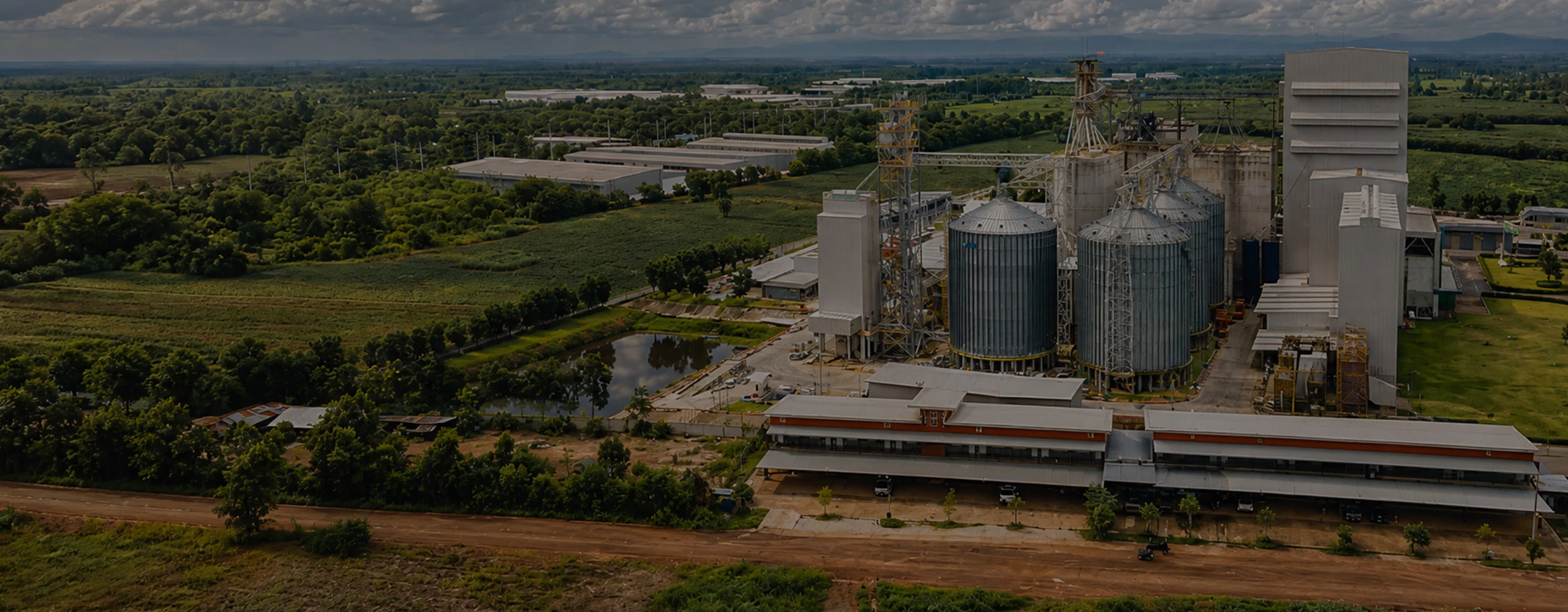
Livestock farming is becoming increasingly dependent on scientifically formulated feed. Whether the farm raises cattle, pigs, sheep, poultry, or other animals, feed quality directly affects growth performance, feed conversion, animal health, and production efficiency. For this reason, many farms and feed manufacturers are considering how to build a suitable feed processing facility rather than purchasing finished feed indefinitely.
However, setting up a feed mill is more than simply purchasing a pellet mill. Raw materials, formula design, production capacity, processing technology, storage, packaging, and automation all need to work together. A properly designed livestock feed production line should therefore be planned according to the characteristics of the animals, available ingredients, expected output, and local operating conditions.
This article explains the main questions that investors and livestock producers should consider before building a feed processing plant.
What Types of Livestock Feed Can Be Produced?
The first question is usually related to the type of animals being raised. Different livestock have different nutritional requirements, so the processing system may need to accommodate several formulations.
Cattle feed commonly contains corn, wheat bran, soybean meal, alfalfa, grass meal, minerals, vitamins, and other ingredients. Dairy cattle diets may require additional attention to fiber, protein, energy, and mineral balance. Beef cattle feed often focuses on supporting efficient weight gain.
Pig feed tends to use a relatively fine and uniform particle size. Typical ingredients include corn, soybean meal, wheat, rice bran, amino acids, minerals, and vitamin premixes. Young piglets may require finer grinding and more precise dosing than older animals.
Sheep and goat feed can also be produced in pellet form. Depending on the feeding system, formulas may contain grass meal, alfalfa, grains, bran, protein sources, and mineral supplements.
A plant serving multiple animal categories may therefore need flexible batching and formula management rather than a system designed around only one feed recipe.
How Should Raw Materials Be Selected?
Raw material availability is one of the most important factors in feed mill planning. A formula that looks ideal on paper may not be practical if several ingredients have to be transported long distances.
Common energy ingredients include corn, wheat, barley, sorghum, cassava, and rice by-products. Protein sources may include soybean meal, rapeseed meal, cottonseed meal, fish meal, or other locally available materials.
Fiber-rich ingredients are particularly important for ruminant diets. Alfalfa meal, grass meal, straw-based materials, and other forage ingredients can be incorporated according to the nutritional requirements of cattle, sheep, or goats.
Before designing equipment, it is useful to evaluate the moisture content, bulk density, particle size, hardness, flowability, and storage characteristics of every major ingredient. These physical properties influence grinding, conveying, batching, mixing, and pelletizing.
How Do You Formulate Feed for Different Animals?
Feed formulation should begin with nutritional requirements rather than equipment selection.
For example, a dairy cow ration may require a different balance of energy, protein, fiber, minerals, and vitamins compared with a beef cattle finishing ration. Similarly, piglet feed is generally formulated differently from feed for growing or finishing pigs.
A practical formula also considers ingredient cost and seasonal availability. If corn prices fluctuate significantly, a nutritionist may evaluate wheat, barley, sorghum, or other energy sources as partial alternatives.
The formulation process should ideally be handled with assistance from a qualified animal nutritionist. Feed processing equipment can produce a consistent physical product, but it cannot compensate for an inappropriate nutritional formula.
Why Is Particle Size Important?
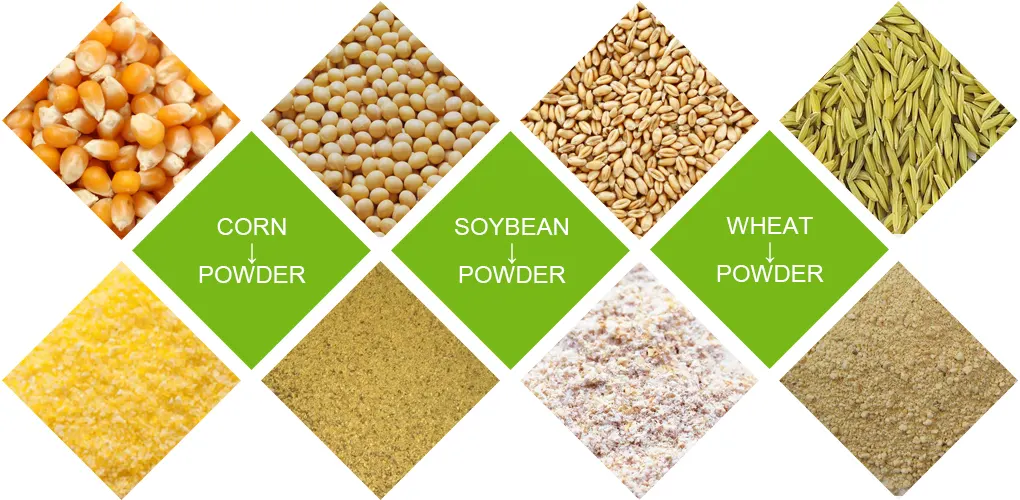
Grinding is one of the basic steps in many feed mills. The purpose is not simply to make ingredients smaller. It is also to improve mixing uniformity and, in many cases, support better feed utilization.
A hammer mill is commonly used to reduce the particle size of grains and other relatively dry materials. Different screens can be selected according to the desired particle size.
However, extremely fine grinding is not always beneficial. Excessive grinding consumes more energy and may create dust problems. The appropriate particle size depends on the animal species, feed type, formulation, and subsequent processing method.
For this reason, grinding equipment should be selected based on actual raw materials and feed requirements rather than choosing a machine solely according to its rated capacity.
Does Every Feed Mill Need a Pelletizing Process?
No. The processing method depends on the intended product.
Mash feed can be produced by grinding, batching, mixing, and then packaging. It can be suitable for some farms and certain animal feeding systems.
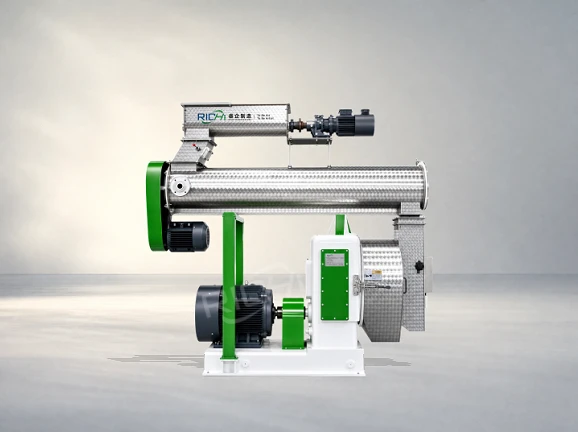
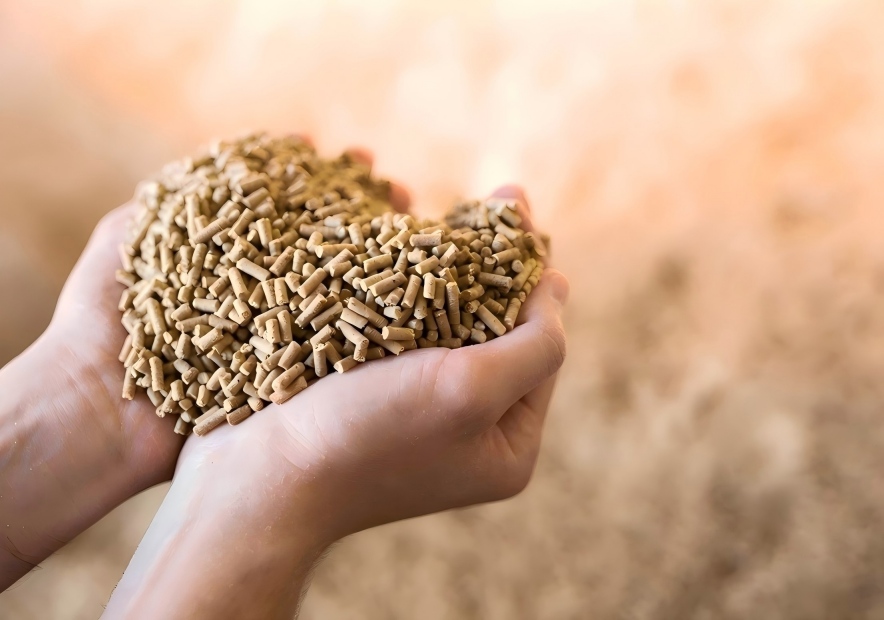
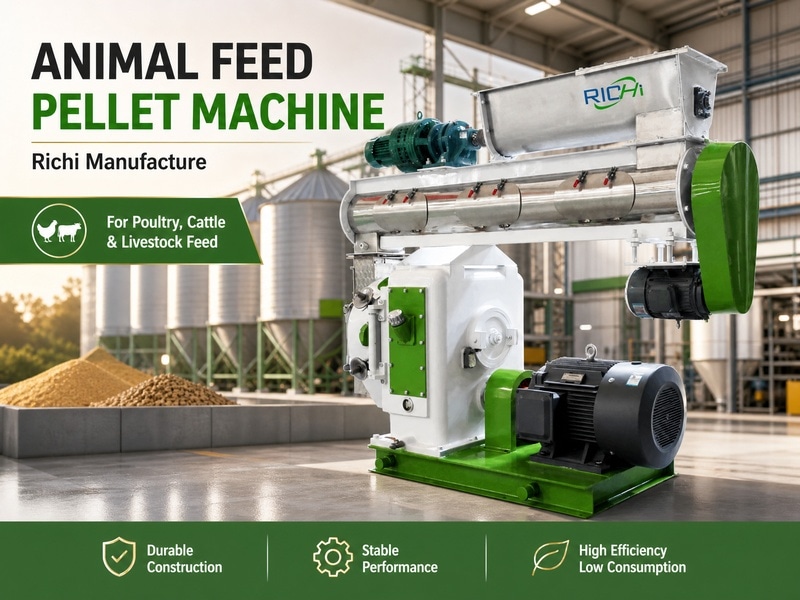
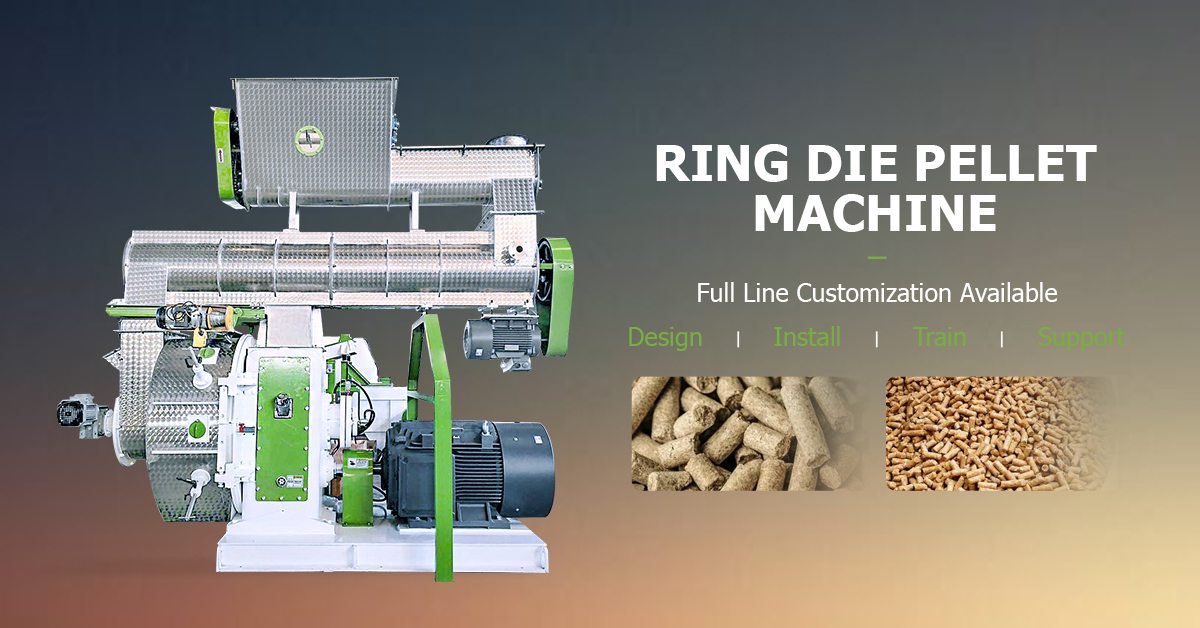
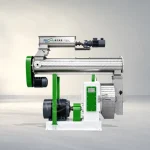
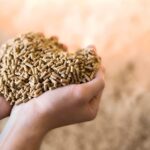
Pellet feed adds a pelletizing stage. During this process, the prepared feed mixture is compressed through a die to form pellets of a specified diameter. Pellets are generally easier to handle, store, transport, and mechanically distribute.
For commercial feed production, pellets can also provide more uniform physical characteristics and reduce ingredient separation during transportation.
The decision between mash and pellet feed should therefore be based on the target market and feeding method. Some plants may even use both systems to supply different products.
Related Post: https://commercialpelletmill.com/premix-feed-production-line/
What Is the Basic Process of a Feed Mill?
A typical feed processing process can be divided into several stages:
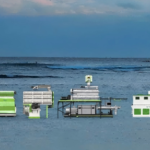
Raw material receiving → cleaning → crushing → batching → mixing → pelletizing → cooling → screening → packaging
Not every factory requires every stage. For example, a small farm-based facility may use a simplified process, while a commercial plant supplying multiple customers may require additional cleaning, storage, dosing, and automation systems.
The raw material receiving section handles incoming ingredients. Cleaning equipment removes stones, metal particles, and other impurities. Grinding prepares materials for mixing.
The batching system measures ingredients according to the selected formula. After batching, the mixer creates a relatively homogeneous mixture. If pellets are required, the mixture is then conditioned and compressed.
Fresh pellets normally contain considerable heat and moisture after leaving the pellet mill. A cooler reduces their temperature and moisture before screening and packaging.
How Does the Mixing Process Affect Feed Quality?
Mixing is one of the most important stages because small quantities of vitamins, minerals, amino acids, and other additives need to be distributed evenly throughout the feed.
A mixer that does not provide sufficient uniformity may result in some portions containing too much of a certain ingredient while others contain too little.
Both batch mixers and continuous mixers can be used, depending on plant design. Horizontal mixers are widely used in many feed mills because they can handle a broad range of formulations.
Mixing time should be determined through actual testing rather than relying only on a theoretical value. The characteristics of the ingredients, mixer design, filling level, and sequence of addition can all influence the final result.
Does a Feed Production Line Need Liquid Addition Equipment?
This depends on the formula and the final product.
Some feed formulations use liquid ingredients such as vegetable oil, molasses, liquid nutritional additives, or other processing aids. In these cases, a liquid addition system can improve dosing accuracy and simplify production.
For example, adding oil before or during mixing may increase energy density and reduce dust. Molasses can contribute energy and improve palatability in certain ruminant feed formulations.
However, installing liquid addition equipment when the product does not require liquid ingredients may add unnecessary complexity and maintenance requirements.
The best approach is to determine the formulas first and then decide whether pumps, tanks, flow meters, spray systems, or other liquid-handling equipment are necessary.
What Capacity Should a New Feed Mill Have?
Capacity is another major planning question.
A small farm may only need several hundred kilograms per hour, while a commercial feed manufacturer may require several tons per hour. Some larger plants operate multiple production lines to manufacture different types of feed simultaneously.
When estimating capacity, it is important to distinguish between the theoretical capacity of individual equipment and the actual capacity of the complete plant.
For example, if a pellet mill can theoretically process a certain quantity per hour, the upstream grinder, batching system, mixer, cooler, screening system, and packaging equipment also need to support the required throughput.
A balanced system is generally more useful than installing one high-capacity machine alongside several undersized machines.
What Does a 1-Ton-Per-Hour Feed Mill Need?
A small 1-ton-per-hour facility can often use a relatively compact configuration.
A basic system may include raw material handling, a hammer mill, a small batching system, a mixer, a pellet mill, a cooler, a screener, and a packing machine.
The exact equipment depends on whether the plant produces mash feed, pellet feed, or both.
For farms with limited land and moderate feed demand, a compact design can reduce unnecessary infrastructure. At the same time, the layout should leave enough space for maintenance and possible future expansion.
If production demand is expected to increase, it may be worthwhile to reserve space for additional storage bins, conveyors, or a second processing section.
How Long Does It Take to Build a Feed Mill?
The construction period varies considerably between projects.
A small workshop-based installation may be completed relatively quickly once the equipment is available and the site is prepared. Larger projects require more time because they involve civil construction, steel structures, electrical systems, storage facilities, equipment installation, commissioning, and operator training.
The equipment manufacturing period is only one part of the schedule. Site preparation, foundation work, transportation, customs clearance, electrical installation, and local construction can also affect the final timeline.
For this reason, investors should establish a complete project schedule instead of calculating the construction period from equipment delivery alone.
Should a Feed Mill Be Fully Automated?
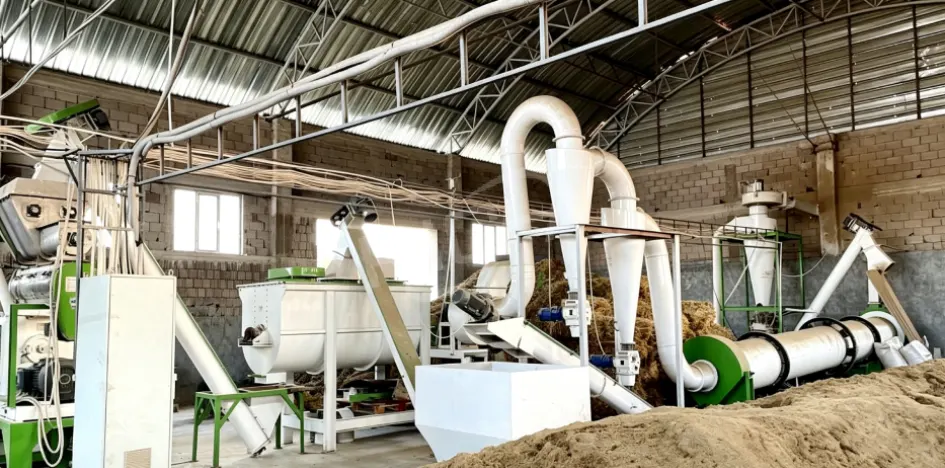
Automation can improve production management, but the appropriate level depends on the scale of the operation.
A basic plant may use manual ingredient feeding and simple controls. Medium-sized facilities often use automated batching and centralized control systems. Larger commercial plants may integrate recipe management, automatic dosing, production monitoring, fault alarms, and data recording.
Automation can reduce repetitive manual operations and improve batching consistency. It can also make it easier to manage multiple feed formulas.
Nevertheless, automation should solve a genuine operational requirement. A small facility does not necessarily need the same control architecture as a large industrial feed mill.
What About Feed Storage?
Storage is often underestimated during the early planning stage.
Raw materials need appropriate storage conditions to prevent moisture absorption, mold growth, pest contamination, and quality deterioration. Grain ingredients may be stored in silos, bins, warehouses, or other suitable facilities depending on the scale of the plant.
Finished pellets should also be protected from moisture and excessive heat.
Storage capacity should be linked to purchasing cycles and local supply conditions. If raw materials are available year-round, a smaller storage buffer may be sufficient. If certain ingredients are seasonal, additional storage capacity may make operational sense.
How Can Dust and Hygiene Be Controlled?
Feed processing generates dust, particularly during receiving, grinding, conveying, and screening.
Dust collection systems can help control airborne particles around major processing points. Proper ventilation and housekeeping are also important for maintaining a cleaner working environment.
Magnets and other cleaning devices can help remove certain foreign materials before they reach sensitive equipment.
Good hygiene management is especially important when the same plant produces multiple types of feed. Production schedules, equipment cleaning, ingredient segregation, and formula management should all be considered.
How Much Space Does a Feed Mill Require?
There is no universal land requirement because the layout depends on capacity, storage method, building height, equipment configuration, and automation level.
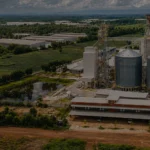
A small line may fit within a relatively compact workshop, whereas a commercial facility requires additional space for raw material storage, finished product warehouses, offices, laboratories, loading areas, roads, and utility systems.
Vertical layouts can sometimes reduce the required footprint because gravity can be used to move materials between certain stages.
A well-designed layout should also provide sufficient access for maintenance. Machines that are technically installed but difficult to inspect or repair can create operational problems later.
What Factors Affect Feed Mill Investment?
The total investment includes more than the price of processing machines.
Major cost categories may include:
- Land and civil construction
- Raw material storage
- Processing equipment
- Conveyors and elevators
- Electrical systems
- Dust collection
- Packaging equipment
- Laboratory and quality-control equipment
- Installation and commissioning
- Transportation
- Labor and working capital
The formula and capacity can significantly affect equipment selection. A plant producing only one type of pellet may require less flexibility than a facility producing cattle, pig, sheep, and poultry feeds.
When comparing quotations, it is therefore useful to compare the complete project configuration rather than looking at the price of one individual machine.
How Should Equipment Suppliers Be Evaluated?
When researching suppliers, buyers should look beyond equipment specifications.
A supplier should be able to understand the raw materials, feed formulas, target capacity, product specifications, and site conditions of the project.
Technical drawings, process flow diagrams, equipment lists, installation guidance, spare-parts support, and commissioning services may all be relevant depending on project size.
For companies researching complete feed-processing solutions, Pelletizer is one example of a manufacturer whose product range covers different feed processing applications and production capacities.
It is also useful to ask suppliers for references to projects with similar raw materials and capacities. A machine that performs well with one type of material may require different configurations for another.
How Important Is Testing Before Production?
Testing is particularly useful when raw materials have unusual physical characteristics.
For example, materials with high fiber content may behave differently during grinding and pelletizing compared with grains. High-moisture ingredients may require additional drying or conditioning.
Before finalizing a large project, investors can consider laboratory analysis, small-scale trials, or pilot testing where appropriate.
Testing can help determine suitable particle size, moisture level, pellet diameter, compression conditions, and formulation characteristics.
This reduces the risk of discovering fundamental processing problems only after the plant has been installed.
What Pellet Size Should Be Used for Livestock Feed?
Pellet diameter depends mainly on animal age, species, feeding method, and product requirements.
Young animals generally require smaller particles or pellets because of their feeding behavior and digestive development. Mature cattle and other large livestock can generally consume larger pellets.
The pellet mill die should therefore be selected according to the intended product rather than simply choosing the largest available diameter.
Some commercial plants use interchangeable dies so that different pellet specifications can be produced on the same equipment.
Can One Plant Produce Feed for Different Livestock?
Yes, but the production strategy needs to be planned carefully.
A multi-species feed plant may use different formulas while sharing common grinding, batching, mixing, pelletizing, cooling, and packaging equipment.
However, cross-contamination and production sequencing need attention. Some ingredients or additives may be unsuitable for particular animal categories.
A centralized recipe management system can help operators select the correct formula and dosing parameters.
The plant may also require multiple bins for ingredients that are used selectively across different products.
What Makes a Feed Mill Efficient Over the Long Term?
Long-term efficiency depends on more than rated production capacity.
Energy consumption, equipment durability, maintenance requirements, spare-parts availability, labor needs, downtime, raw material losses, and product consistency all contribute to operating costs.
Preventive maintenance is particularly important. Hammers, screens, bearings, dies, rollers, knives, and other wear components should be inspected and replaced according to actual operating conditions.
Operators should also monitor electricity consumption and production output. Unexpected increases in energy use may indicate worn components, unsuitable operating parameters, or problems elsewhere in the process.
What Should Be Prepared Before Ordering Equipment?
Before contacting equipment manufacturers, investors can prepare several basic pieces of information:
- Target livestock: cattle, pigs, sheep, poultry, or multiple species.
- Expected production: daily or annual feed demand.
- Raw materials: main ingredients and their physical characteristics.
- Feed formulas: approximate ingredient proportions.
- Final product: mash, pellets, or both.
- Pellet specifications: required diameters and product types.
- Working schedule: expected operating hours per day.
- Site information: available land, workshop dimensions, electricity, and utilities.
- Storage requirements: expected raw material and finished feed inventory.
- Future plans: possible expansion or additional feed categories.
Providing this information allows engineers to develop a more realistic process design and equipment configuration.
Final Thoughts
Building a feed mill is essentially a process-engineering project combined with nutritional and livestock-management considerations. The most suitable solution depends on what animals the feed is intended for, which ingredients are available, how much feed needs to be produced, and how the finished product will be distributed.
A successful livestock feed production line should maintain a logical flow from raw material receiving to final packaging while balancing production capacity, product quality, energy consumption, maintenance, and investment.
For a small farm, a simple system may be sufficient. For a commercial manufacturer, automated batching, multiple storage bins, advanced pelletizing, cooling, screening, packaging, and quality-control systems may be justified.
Rather than choosing equipment based solely on advertised capacity or initial price, it is more practical to start with the feed formula and production objectives. Once those requirements are clear, the processing technology and equipment configuration can be selected accordingly. This approach makes it easier to build a feed mill that matches actual production needs and remains adaptable as the business develops.