

Introduction: A New Perspective on Agricultural Residues
For decades, agricultural waste has been considered a major environmental challenge in many farming regions. After harvesting, large amounts of crop residues such as rice straw, corn stalks, wheat straw, and other plant materials are often burned or discarded because of limited utilization methods.
However, the development of biomass processing technology has changed this situation. Today, agricultural residues are no longer viewed only as waste materials. They are becoming valuable resources that can be transformed into renewable fuel, animal bedding materials, and industrial products.
One of the most effective methods for improving biomass utilization is pellet production. By applying mechanical compression technology, loose agricultural materials can be converted into compact pellets with better density, storage ability, and transportation efficiency.
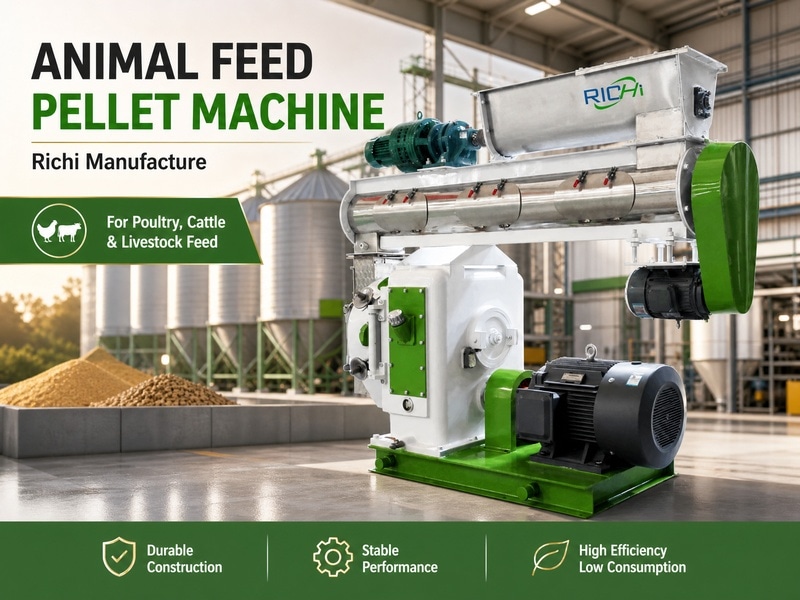
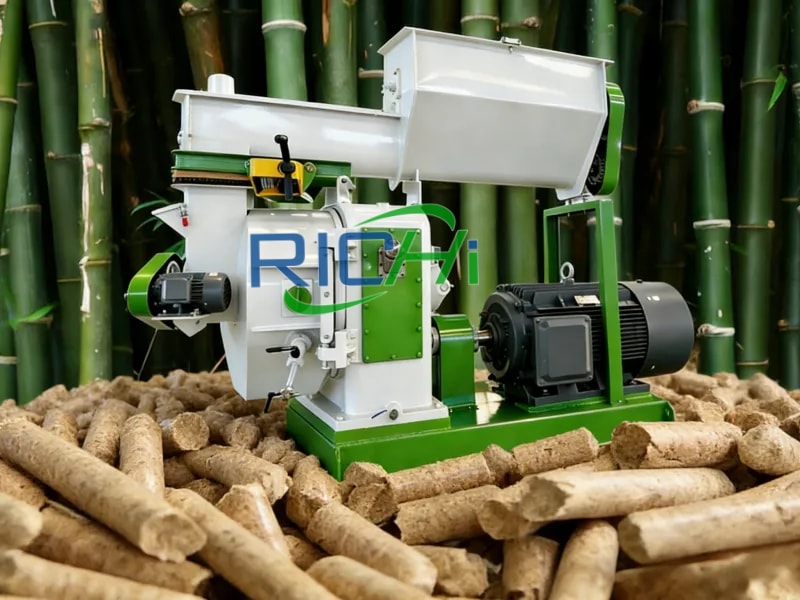
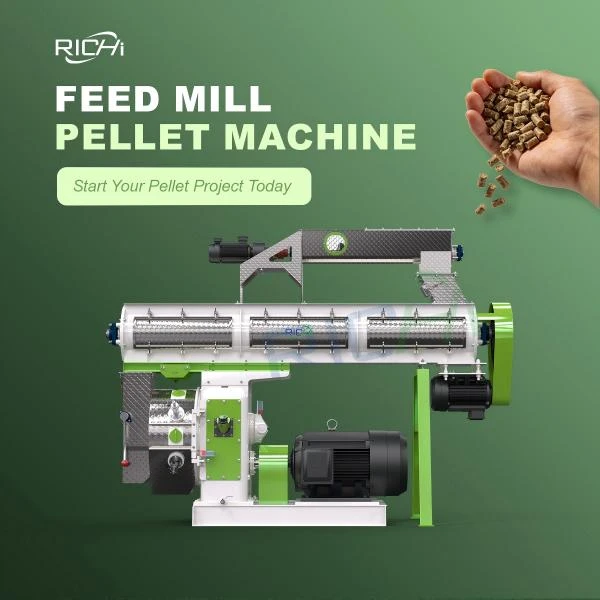
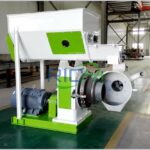
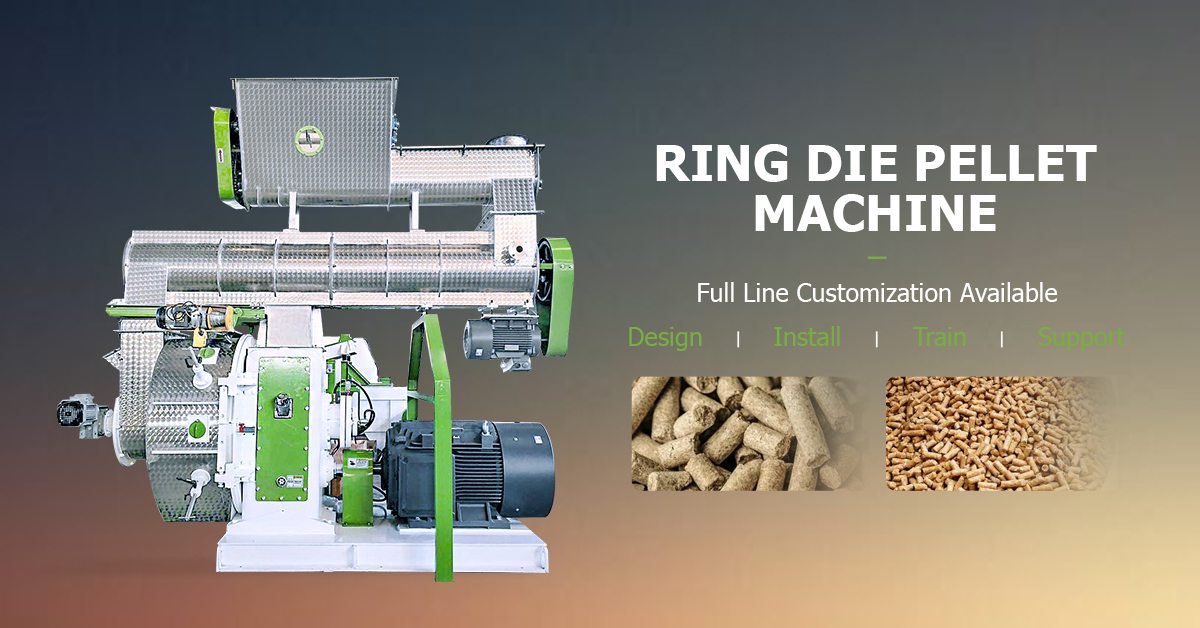
For rice-producing areas, the rice straw pelletizer machine provides an efficient solution for processing large amounts of straw into useful biomass products. This technology helps connect agriculture with renewable energy development while creating additional economic value.
The Growing Importance of Agricultural Waste Utilization
Global industries are increasingly searching for sustainable alternatives to traditional fossil fuels. At the same time, agricultural regions are looking for better ways to manage crop residues.
The traditional disposal methods of agricultural waste create several problems:
- Open burning causes air pollution.
- Large amounts of unused biomass occupy storage space.
- Farmers lose potential economic value from crop residues.
- Waste management costs continue increasing.
Biomass pellet production offers a practical solution by converting these low-value materials into marketable products.
Through proper processing, agricultural residues can become:
- Biomass heating fuel
- Industrial boiler fuel
- Renewable energy materials
- Livestock bedding products
This transformation creates a circular economy model where agricultural waste is reused instead of discarded.
Why Rice Straw Is Suitable for Pellet Production
Rice straw is one of the most abundant agricultural residues worldwide. Countries with large rice production volumes generate significant quantities of straw every year.
Although rice straw is widely available, its original characteristics make direct utilization difficult.
Common challenges include:
Low Density
Raw rice straw is lightweight and takes up considerable space. Transportation and storage become expensive because large volumes are required.
High Moisture Content
Fresh straw usually contains moisture that affects combustion performance and pellet quality.
Irregular Structure
Long fibers and uneven shapes make direct feeding into processing equipment difficult.
Pelletizing technology solves these issues by changing the physical characteristics of rice straw. After processing, the material becomes a standardized pellet product with improved handling performance.
Key Steps in Modern Biomass Pellet Production
A successful pellet production project depends on a well-designed processing system.
1. Material Preparation
Before pelletizing, rice straw needs proper preparation. Depending on raw material conditions, this stage may include cleaning, cutting, and moisture adjustment.
Preparing the material correctly helps improve machine efficiency and reduce production problems.
2. Size Reduction
A crushing process reduces straw into smaller particles. Proper particle size ensures better compression and stronger pellet formation.
This step is especially important because different biomass materials have different fiber structures.
3. Pelletizing Process
During pellet formation, the biomass material is compressed under high pressure. Heat generated during compression activates natural binders inside the material.
The final pellets usually have:
- Higher density
- Better durability
- Easier transportation
- More stable performance
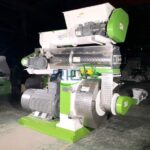
For customers who process different agricultural residues, equipment options such as a 5-6 T/H corn straw pellet machine for sale can provide higher production capacity for commercial biomass projects.
How Businesses Can Benefit From Biomass Pellet Production
Investing in biomass pellet production can provide several advantages.
Creating Additional Income From Waste Materials
Agricultural companies can generate extra revenue by converting unused residues into commercial products.
Instead of paying for waste disposal, businesses can create a new product line.
Supporting Renewable Energy Markets
Many industries are seeking alternatives to fossil fuels. Biomass pellets provide a renewable option for heating and energy generation.
Improving Resource Efficiency
Using agricultural waste effectively supports sustainable farming practices and reduces resource waste.
Important Factors When Selecting Pellet Equipment
Choosing suitable equipment is essential for achieving stable production results.
Capacity Requirements
Different projects require different production capacities.
A small farm may need a compact pellet solution, while industrial pellet producers require larger systems.
Capacity planning should consider:
- Raw material availability
- Market demand
- Production goals
- Investment budget
Equipment Quality
Reliable machinery directly affects production efficiency and operating costs.
Important factors include:
- Stable operation
- Wear resistance
- Easy maintenance
- Long service life
Complete Technical Support
Professional suppliers can provide more than equipment. They can help with:
- Production line design
- Installation guidance
- Operation training
- Technical consultation
This support reduces project risks and helps customers achieve better long-term performance.
(Related Post: https://biomasspelletizer.com/straw-pellet-production-line/)
The Advantage of Working With Experienced Pellet Equipment Suppliers
The biomass industry requires specialized knowledge because different materials require different processing methods.
Experienced manufacturers can analyze raw materials and recommend suitable equipment configurations.
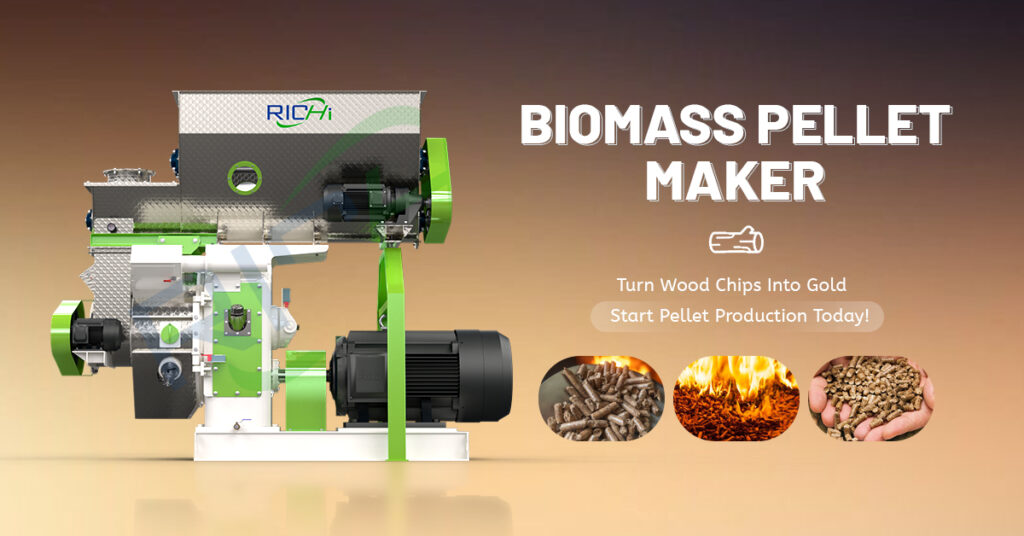
For example, Richi Pellet Mill has experience in designing biomass and feed processing solutions for various applications.
Customers who want to understand more technical details can look at this website for additional information about pellet equipment solutions and production technologies.
Choosing a professional supplier helps ensure better equipment matching and smoother project operation.
Future Development Trends of Biomass Pellet Industry
The biomass pellet market continues expanding because of increasing demand for clean energy solutions.
Several trends are shaping the future:
More Agricultural Recycling Projects
Governments and businesses are encouraging better utilization of agricultural waste.
Growing Renewable Energy Demand
Industries are adopting biomass fuels to reduce dependence on traditional energy sources.
More Customized Production Solutions
Different regions have different raw materials, so customized pellet production systems are becoming increasingly important.
The future of biomass energy will depend not only on technology development but also on efficient resource management.
Conclusion: Unlocking the Value of Agricultural Waste
Agricultural residues represent a significant opportunity for renewable energy development. With advanced pelletizing technology, materials that were once considered waste can become valuable products.
The application of the rice straw pelletizer machine demonstrates how agricultural resources can be transformed into sustainable solutions.
By selecting suitable equipment, optimizing production processes, and cooperating with experienced manufacturers, businesses can build efficient biomass pellet projects that deliver both economic and environmental benefits.
As global demand for renewable energy continues to rise, agricultural waste will play an increasingly important role in creating a cleaner and more sustainable future.