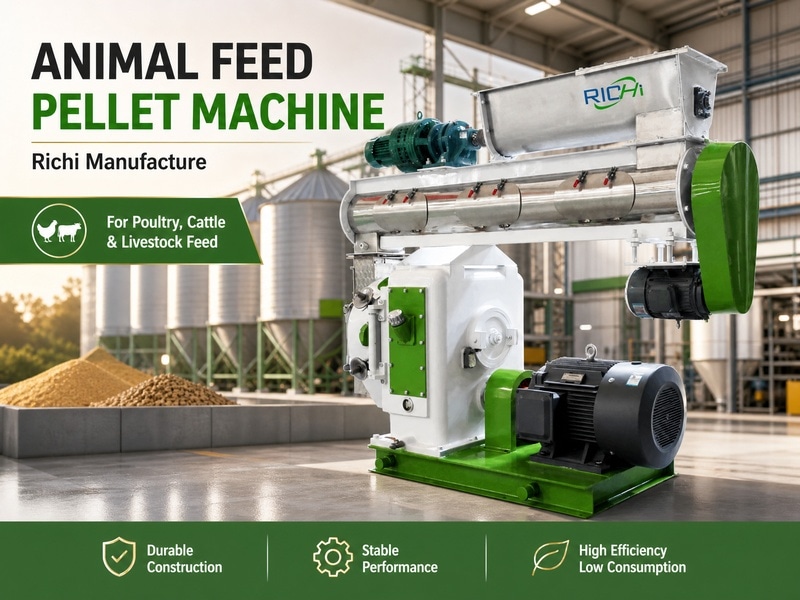
Large feed factories require much more than a powerful pellet mill. When production reaches a commercial scale, every stage of the process must be considered carefully, from raw material receiving and storage to final packaging.
A large scale animal feed pellet machine is normally part of an integrated production system. Its capacity must match the grinder, mixer, conditioner, cooler, screening equipment, conveyors, storage facilities, and packing section.
Capacity Planning Comes First
The target output is the starting point for large feed mill design. A factory may have a high nominal capacity, but the actual production requirement should be based on market demand, working hours, feed formulas, and expected future growth.
Oversizing every machine can increase investment and energy consumption. Undersizing equipment can create bottlenecks and prevent the plant from reaching its intended output.
Capacity balance is therefore more important than simply selecting the biggest available machine.
Raw Material Logistics
Large factories also need efficient raw material handling. Corn, soybean meal, wheat bran, forage, premix, and other ingredients may arrive in different forms and quantities.
Storage capacity should correspond to production demand and supply conditions. Conveying systems should move materials efficiently between storage and processing sections.
Poor material flow can create unnecessary labor requirements and production delays even when the main pellet mill has sufficient capacity.
Grinding and Mixing
Grinding prepares ingredients for consistent mixing and pelleting. The required particle size depends on the feed formula and final pellet specifications.
Mixing then combines the ingredients according to the nutritional formula. A commercial factory may produce several feed formulas, so batching accuracy and cleaning procedures become increasingly important.
Cross-contamination between formulas should also be considered during plant design, particularly when different feed products are manufactured on the same equipment.
Designing the Pelleting Section
The pelleting section typically includes controlled feeding, conditioning, the pellet mill, and downstream cooling.
The conditioner prepares the mash before compression. Stable feeding is important because fluctuations in material flow can influence output and pellet quality.
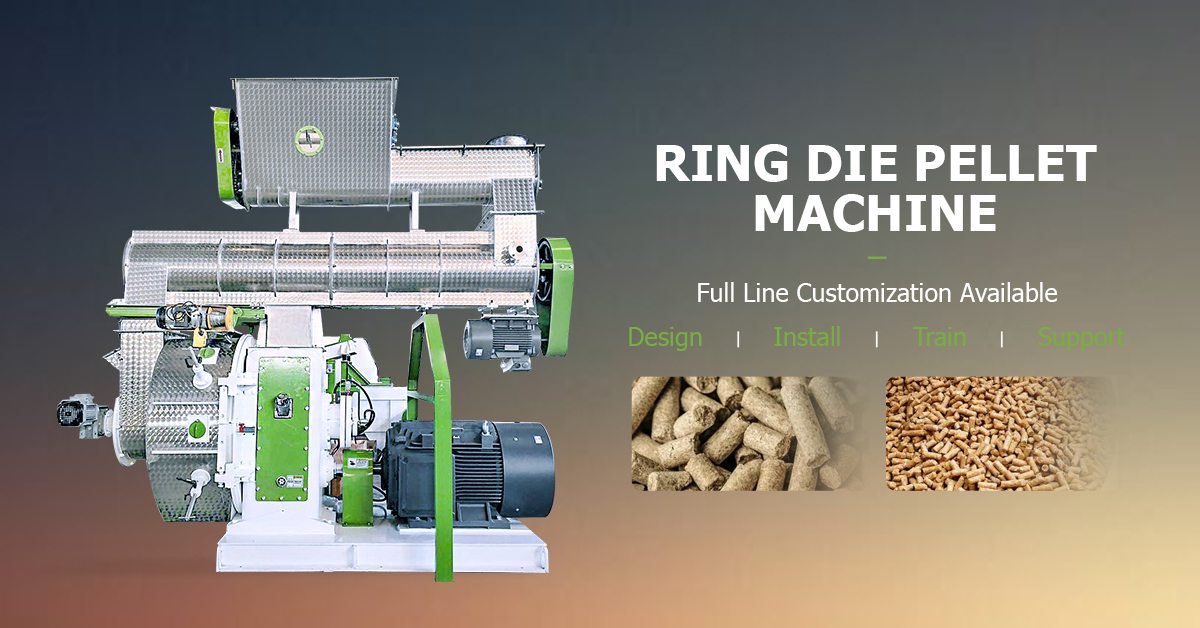
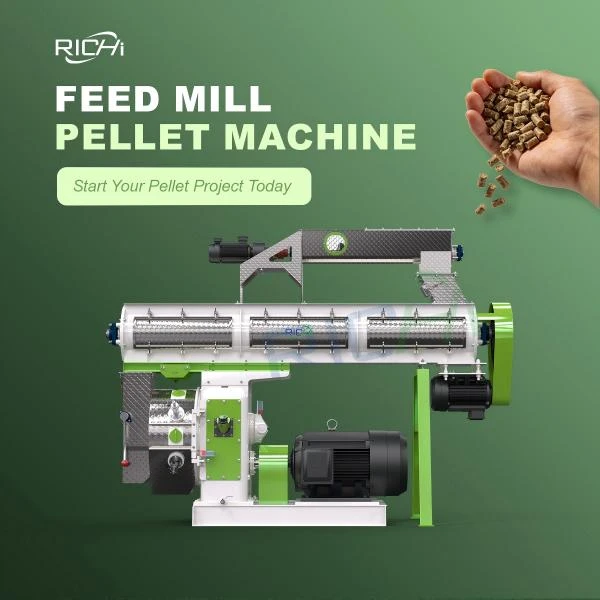
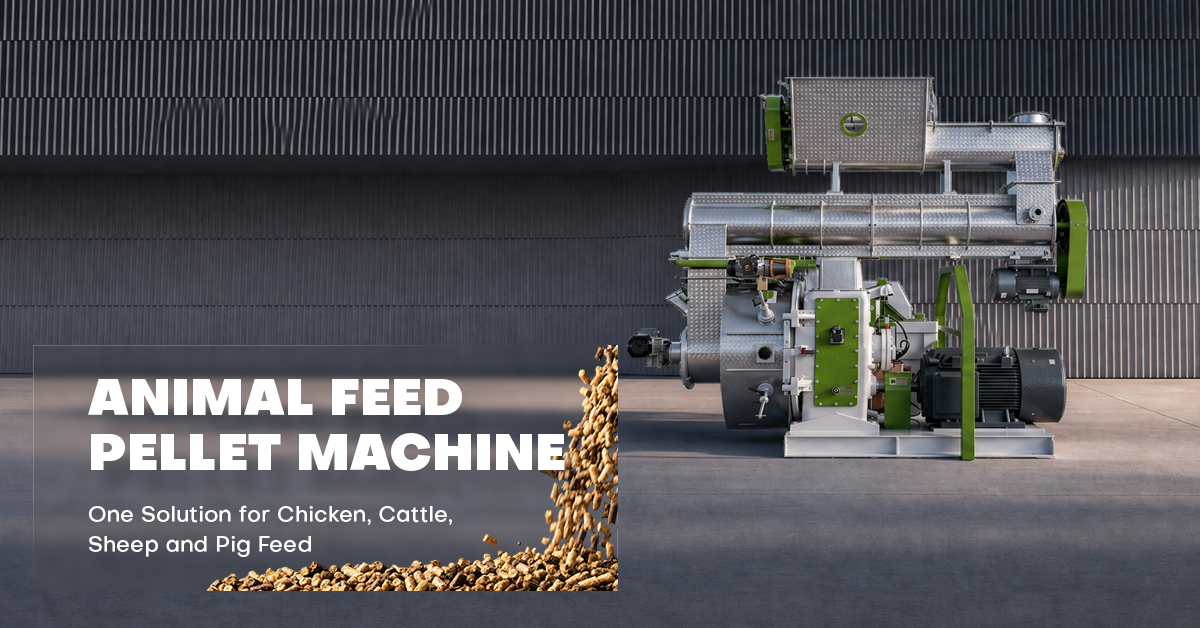
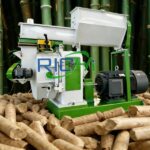
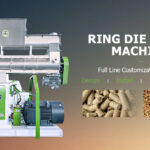
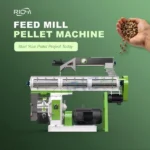
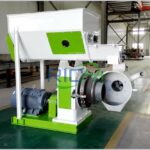
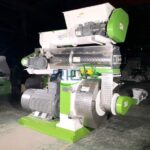
The pellet mill then compresses the conditioned material through the ring die. Die diameter and configuration should match the intended pellet sizes.
Fresh pellets need to be cooled before storage. Screening can separate fines and improve the consistency of the finished product.
Complete Plant Integration
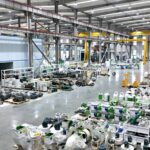
A complete livestock feed mill plant should be designed as one coordinated system. The objective is not simply to install individual machines but to create continuous material flow.
Electrical systems, dust collection, ventilation, storage, elevators, conveyors, control systems, and safety equipment all become important as the factory grows.
Automation can also reduce manual intervention. Centralized control allows operators to monitor multiple sections and coordinate production more effectively.
Factory layout should leave enough room for inspection and maintenance. Large equipment requires access for component replacement and service.
Expansion Should Be Considered Early
Large feed projects often develop over time. A producer may initially manufacture several products and later add new formulas, additional pellet mills, or larger storage facilities.
If expansion is considered during the initial layout, future construction can be easier and less disruptive. Utility capacity, foundation design, building space, and material flow should therefore be reviewed with future demand in mind.
Project planners can check this site out to compare different feed equipment configurations and understand the role of each processing section.
Choosing the Right Engineering Partner
Large projects require coordination between mechanical equipment, electrical systems, civil works, installation, and commissioning. An experienced equipment supplier can help reduce the risk of mismatched machinery.
Richi machinery manufacture provides animal feed and livestock feed equipment as well as engineering support for complete production projects. The appropriate configuration depends on the customer’s production capacity, raw materials, pellet sizes, and factory conditions.
Long-Term Efficiency
A large feed mill should be designed for stable operation rather than maximum theoretical output alone. Energy consumption, maintenance access, spare parts, operator workload, and process reliability all influence long-term operating costs.
A balanced plant allows each section to support the next without creating unnecessary bottlenecks.
Ultimately, large-scale feed production is an engineering project as much as a machinery purchase. Careful planning of capacity, material handling, processing stages, automation, maintenance, and expansion can create a factory that is easier to operate and better prepared for long-term commercial demand.
view details: https://www.richimanufacture.com/animal-feed-pellet-machine-for-sale/