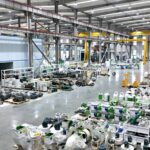
Walk into a cattle feed production facility, and you’ll see a lot more than just a pellet mill. There are bins for ingredients, conveyors moving material, mixers blending, conditioners steaming, coolers dropping temperature, and screens separating fines. It’s a system—a coordinated sequence of equipment that transforms raw ingredients into finished pellets.
A complete cattle feed production plant integrates all of these components. The plant is designed to receive ingredients, store them, process them, and produce finished feed. The scale of the plant varies from a small operation serving a few hundred head to a commercial facility producing feed for thousands of animals.
The plant’s design affects the efficiency of the production and the quality of the finished product. A well-designed plant minimizes handling, reduces labor, and maintains consistent quality. A poorly designed plant creates bottlenecks, increases labor, and produces variable quality.
The Ingredient Intake
The production process starts at the intake. Ingredients arrive in bulk—grain, protein meal, minerals, and other components. They are received, tested for quality, and stored in bins or silos. The storage must maintain the quality of the ingredients until they’re needed.
The intake system includes receiving pits, elevators, and conveyors that move the material to storage. The design of the intake system affects how quickly ingredients can be received and how efficiently they can be moved.
Quality control at intake is essential. The incoming ingredients should be tested for moisture content, quality, and contamination. Rejecting substandard ingredients at the intake prevents problems later in the process.
The Grinding Stage
The first processing step is grinding. The grains are reduced to a consistent particle size. For cattle feed, the particle size varies with the type of feed and the age of the animals. The grinding is done by hammer mills or roller mills.
The particle size affects the digestion of the feed. Smaller particles have more surface area for enzyme action. But if the particles are too small, they can pass through the digestive system too quickly. The target particle size balances digestibility with rumen function.
The grinding equipment must be sized for the production volume. The screen size in the hammer mill determines the particle size. The screens need regular inspection and replacement to maintain consistent grind.
The Mixing Stage
After grinding, the ingredients are mixed. The ground grain is combined with protein meal, minerals, vitamins, and any other components. The mixing must be thorough to ensure that each animal receives a balanced diet.
The mixer type affects the mixing time and the uniformity. Horizontal mixers are common for cattle feed. They provide good mixing in a reasonable time.
The mixing stage also includes liquid addition. Fats, molasses, and other liquids may be added at this point. The liquids must be distributed evenly throughout the mix.
The Conditioning Stage
The mixed material is conditioned before pelleting. Steam is added to soften the particles and activate the natural binders. The conditioning temperature and moisture are controlled to achieve the optimal condition for pelleting.
Conditioning affects the pellet quality and the digestibility of the feed. Proper conditioning produces durable pellets that hold together during handling. It also gelatinizes the starches, improving digestibility.
The conditioning time and temperature vary with the ingredients. The operator adjusts the parameters based on the characteristics of the material.
The Pelleting Stage
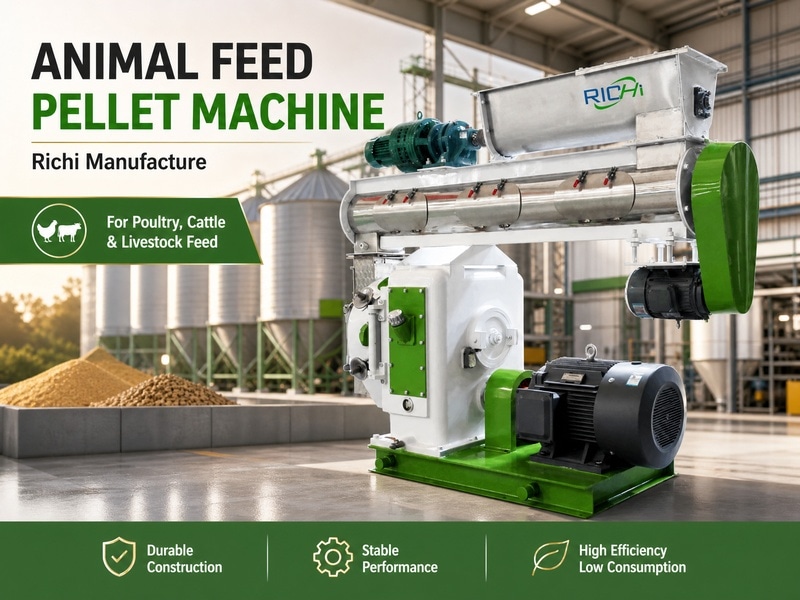
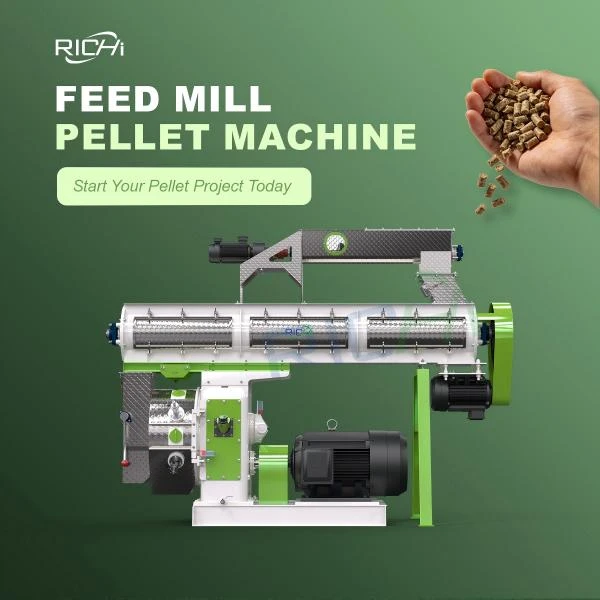
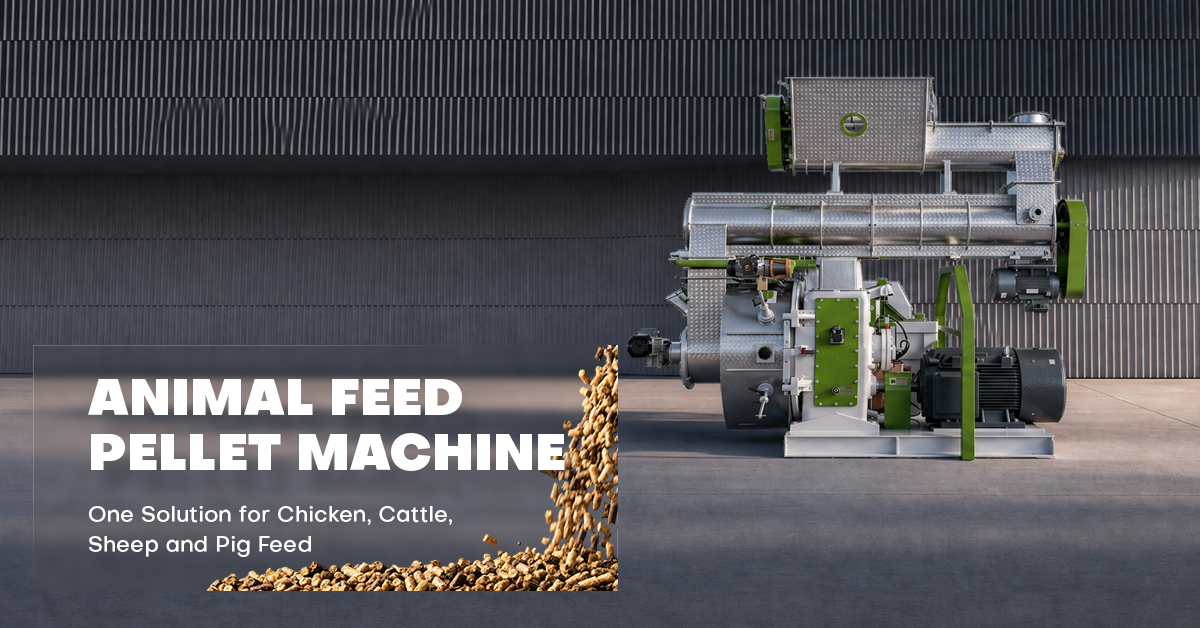
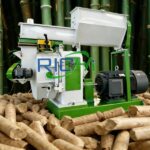
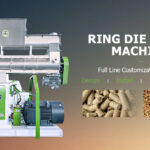
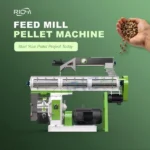
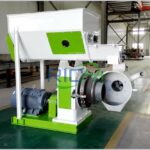
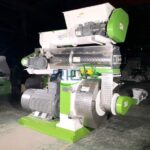
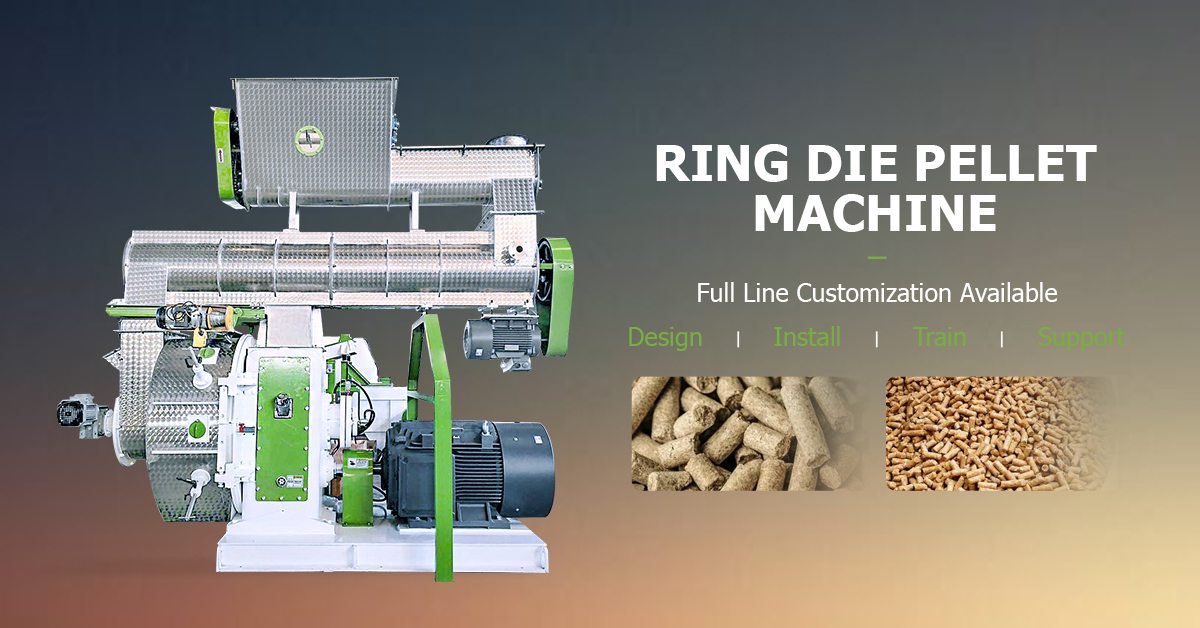
The conditioned material is compressed through a die to form the pellets. A high output cattle feed pellet making machine performs this compression. The machine uses rollers to press the material through the die holes. The die hole diameter determines the pellet size.
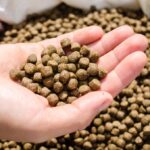
For cattle feed, pellets typically range from 4 to 8 millimeters in diameter. The pellet size affects how the animal eats and digests the feed. Larger pellets may be suitable for adult cattle; smaller pellets may be better for calves.
The high output cattle feed pellet making machine is built for continuous operation. The die and rollers must be made from wear-resistant materials to withstand the abrasive nature of the feed. The motor must provide sufficient power for the compression.
The output of the machine depends on the die configuration, the conditioning, and the feed rate. A well-maintained machine operates at its rated capacity.
The Cooling Stage
The pellets emerge from the pellet mill at high temperature—typically 80°C to 90°C. They must be cooled to reduce the temperature and moisture content. The cooling hardens the pellets and prepares them for storage.
The cooler uses air to remove heat and moisture. The airflow and the residence time determine the final temperature and moisture. The target moisture content is 10% to 12%.
The cooling stage also reduces the dust. The fine particles that break off during cooling are collected and returned to the process.
The Screening Stage
The cooled pellets pass through a screen to remove fines. The fines are the small particles that break off during handling. They are returned to the process for reprocessing.
The screening stage ensures that only pellets of the correct size go to packaging or storage. The screen size is selected to match the pellet diameter.
The screening also improves the handling of the pellets. Pellets with fewer fines flow better and create less dust.
The Storage and Packaging
The finished pellets are stored in bins or silos. The storage protects the pellets from moisture and contamination. The pellets are then packaged in bags or loaded into bulk trucks for delivery.
The packaging stage includes weighing and bagging. The bags are labeled with the product information. The packaging protects the pellets during transport and storage.
The Plant Design
The design of a cattle feed production plant affects the efficiency and the product quality. The plant should be laid out to minimize material handling and to allow for easy maintenance access.
The flow of material should be linear—from intake to storage, to grinding, to mixing, to pelleting, to cooling, to screening, to packaging. The bottlenecks should be identified and addressed.
The plant should include dust collection to maintain air quality. The dust from grinding and handling should be captured and controlled.
The plant should include a quality control laboratory. The laboratory tests ingredients and finished products. The testing ensures that the feed meets the nutritional specifications.
The Equipment Selection
The selection of a pellet machine for sale should be based on the production requirements and the operating conditions. The machine should be sized for the required output. The die configuration should be matched to the feed formulation.
The manufacturer’s reputation matters. A manufacturer with experience in cattle feed production can provide guidance on equipment selection and configuration. The support and availability of parts affect the long-term reliability.
The cost of the equipment is only part of the equation. The operating costs—electricity, labor, maintenance—affect the total cost of ownership.
The Economics
The economics of a cattle feed production plant depend on several factors. The volume of feed produced, the cost of ingredients, the price of purchased feed, and the operating costs all factor into the calculation.
The savings from on-site production come from the difference between the cost of ingredients and the cost of purchased feed. The savings per ton typically range from 15% to 25%.
The payback period for a production plant depends on the volume and the savings per ton. For many operations, the payback period is two to three years.
The value of improved feed quality is another consideration. Consistent pellets improve feed conversion and reduce waste. The value of improved performance adds to the return.
The Start-up
Starting a cattle feed production plant requires planning. The site must be selected and prepared. The equipment must be installed and tested. The operators must be trained.
The start-up period is when the system is commissioned. The operators learn the characteristics of the equipment and the process. The quality of the feed improves as the operators gain experience.
The support from the equipment manufacturer is valuable during start-up. The manufacturer can provide guidance on operation and troubleshooting.
The Evolution
A cattle feed production plant can evolve over time. The plant can be expanded to handle more volume. The equipment can be upgraded for improved efficiency. The product line can be expanded to include different formulations.
The investment in a plant is a long-term commitment. The equipment should be selected for durability and reliability. The design should allow for future expansion.
For more information, consider visiting facilities that already operate cattle feed production plants. Seeing the equipment in operation and talking to operators provides practical insights.