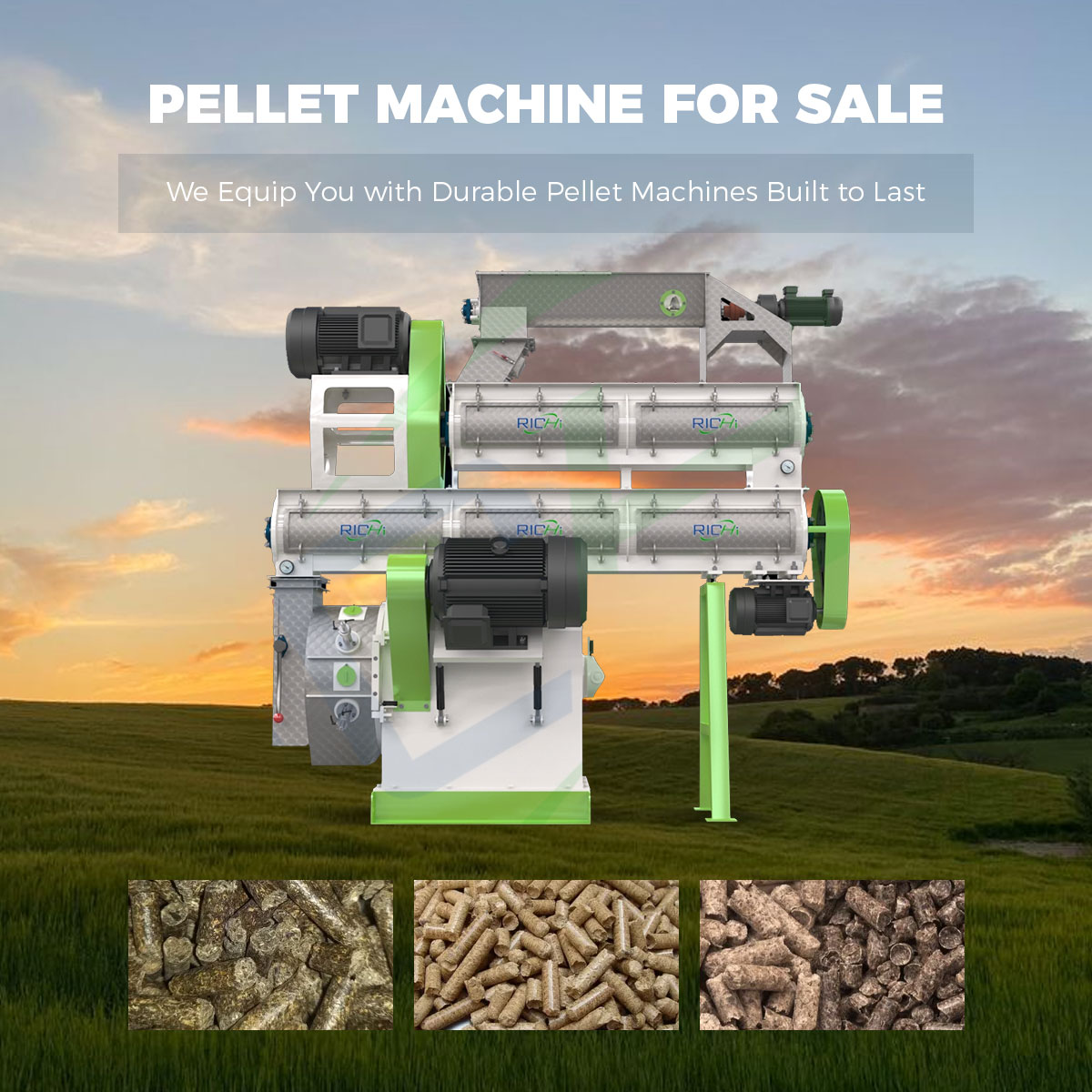



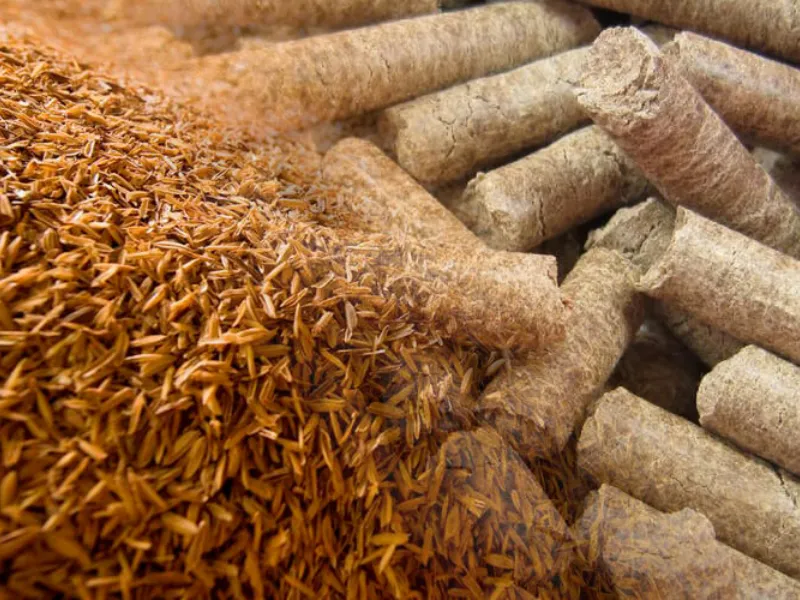
Rice is one of the most widely cultivated crops in the world, especially across Asia, Africa, and South America. As rice production increases, enormous quantities of rice husk are generated during milling. Traditionally, rice husk has been difficult to utilize efficiently due to its low bulk density and high silica content. Today, advanced pelletizing technology offers a practical solution. A well-designed rice husk pellet machine enables producers to convert this agricultural residue into a stable and valuable biomass fuel.
Characteristics of Rice Husk as a Pellet Raw Material
Rice husk differs significantly from wood sawdust or crop straw. It is lightweight, abrasive, and contains a relatively high ash content. These properties make rice husk challenging to process without specialized equipment. However, when properly handled, rice husk pellets can deliver consistent energy output and reliable combustion performance.
Pelletizing rice husk improves its density and handling efficiency while reducing storage and transportation costs. As a result, rice husk pellets are increasingly used in industrial boilers, biomass power plants, and agro-processing facilities.
(Related Post: https://biomasspelletizer.com/rice-husk-pellet-machine/)
Core Process of Rice Husk Pellet Production
A stable pelletizing process depends on a coordinated production line rather than a single machine. A typical rice husk pellet system includes the following stages:
Raw Material Preparation
Rice husk is screened to remove stones and impurities. In some cases, blending with other biomass materials helps improve pellet durability.
Moisture Adjustment
Although rice husk is often relatively dry, moisture balancing is still essential to achieve optimal pellet strength during compression.
Pelletizing Stage
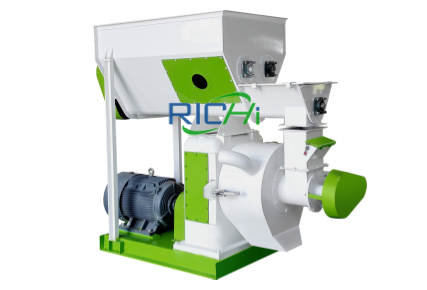
The core equipment is the pellet making machine, which compresses rice husk under high pressure. Reinforced dies and rollers are commonly used to withstand abrasive characteristics.
Cooling and Screening
Fresh pellets are cooled to improve hardness and screened to ensure uniform size before packaging or storage.
Together, these steps form a reliable complete rice husk pellet plant solution suitable for continuous industrial operation.
Benefits of Using a Rice Husk Pellet Machine
Investing in rice husk pelletizing equipment provides several practical advantages:
- Efficient waste utilization: Converts milling by-products into usable energy
- Reduced fuel expenses: Replaces coal or firewood in industrial heating
- Improved handling: Pellets are easier to transport and store than loose husk
- Environmental compliance: Supports renewable energy and emission reduction goals
For rice-producing regions, pelletizing offers a sustainable pathway to maximize agricultural resource value.
Industrial Applications of Rice Husk Pellets
Rice husk pellets are widely used in rice mills, food processing plants, textile factories, and biomass power stations. Many facilities adopt rice husk pellets for steam generation and thermal energy, especially where fossil fuel costs are rising.
Companies exploring pellet plant configurations and real-world performance often review existing installations before making investment decisions. For reference projects and technical layouts, go to website resources that showcase how rice husk pellet systems are applied in different markets.
Key Considerations When Choosing Pellet Equipment
Due to the abrasive nature of rice husk, selecting the right machine is essential for long-term performance. Buyers should pay close attention to:
- Die material and wear resistance
- Pressing stability under continuous operation
- Energy consumption per ton of pellets
- Maintenance accessibility and spare parts supply
A properly engineered rice husk pellet machine ensures stable output while reducing downtime and operating costs.
Future Outlook of Rice Husk Pellet Production
With growing emphasis on renewable energy and agricultural waste management, rice husk pellet production is gaining momentum worldwide. Governments and private investors alike are supporting biomass projects that convert residues into clean energy.
As technology continues to improve, rice husk pellet plants are becoming more efficient, durable, and adaptable. For producers looking to enhance sustainability while generating additional revenue, pelletizing rice husk represents a forward-looking and economically sound solution.