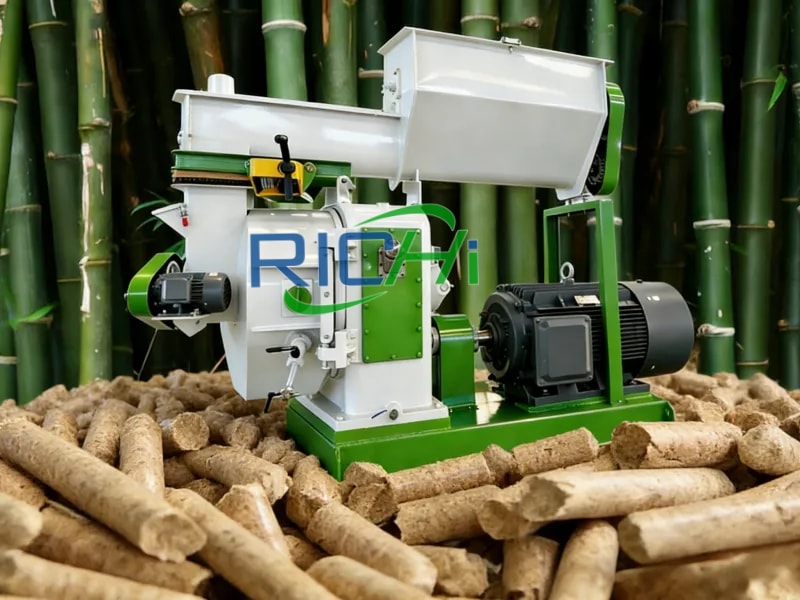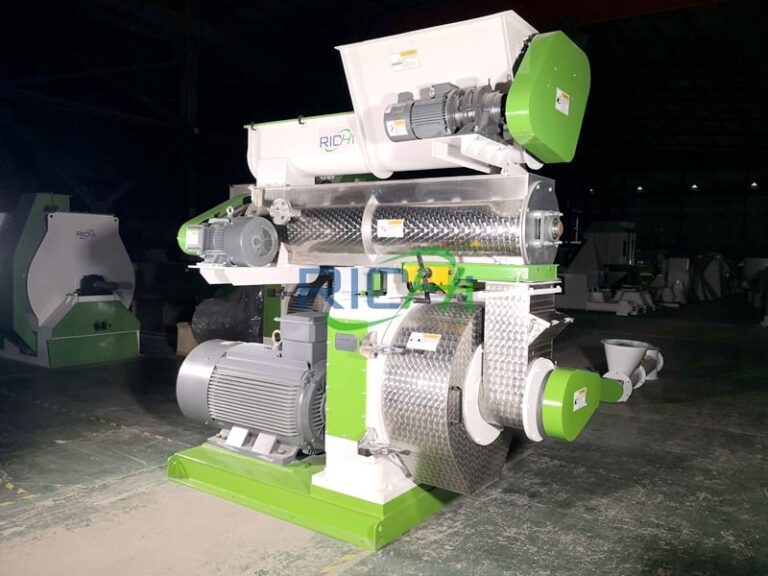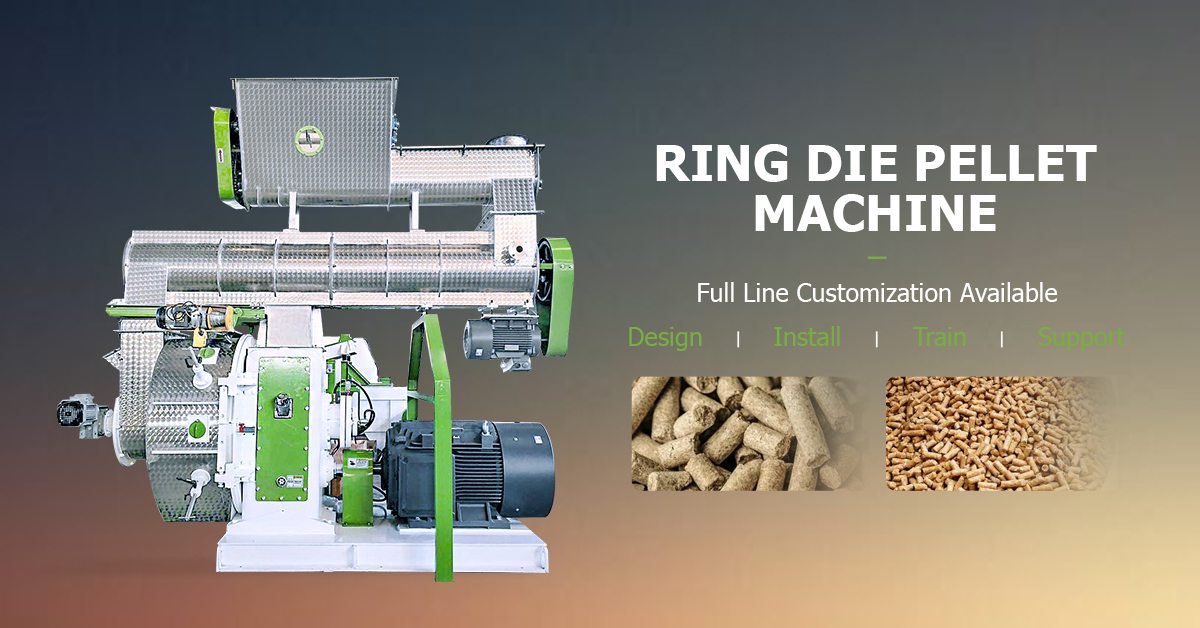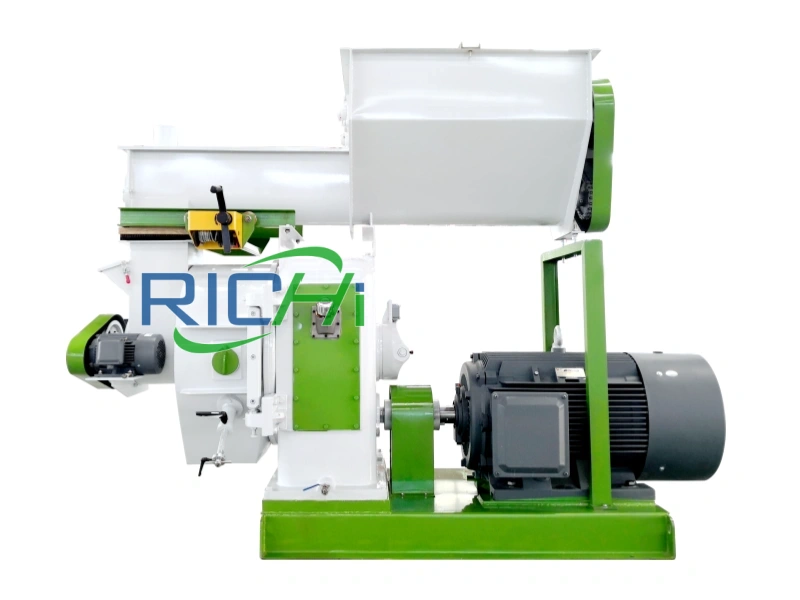
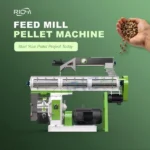
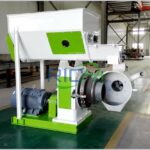
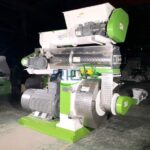
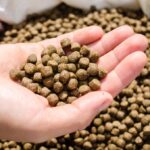
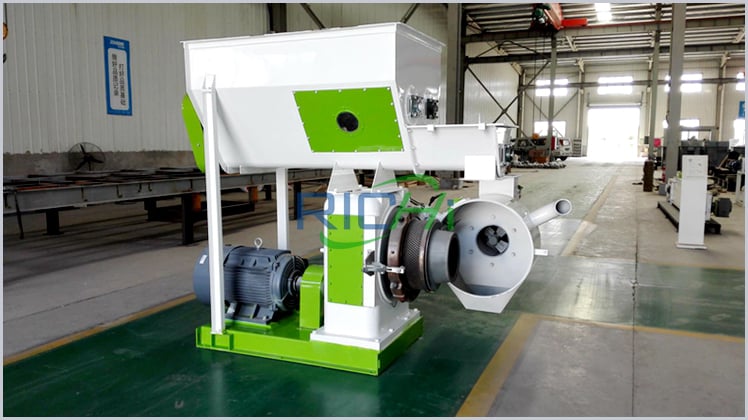
As global demand for renewable energy continues to surge, the biomass pellet mill has emerged as one of the most critical pieces of equipment in the green energy supply chain. From agricultural residues to forestry waste, these machines transform raw organic materials into high-density, energy-efficient fuel pellets used in power plants, industrial boilers, and residential heating systems worldwide.
What Is a Biomass Pellet Mill?
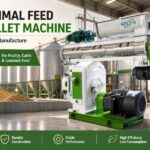
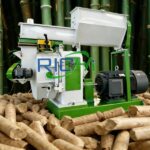
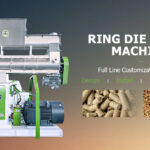
A biomass pellet mill is an industrial machine designed to compress and shape loose biomass materials — such as wood chips, straw, rice husks, and corn stalks — into uniform cylindrical pellets. The pelletizing process involves feeding raw material through a die and roller system under high pressure, generating enough heat through friction to soften the lignin naturally present in plant-based materials. This lignin acts as a natural binder, allowing pellets to hold their shape without any chemical additives.
The result is a dense, low-moisture fuel product that burns more efficiently than raw biomass and is far easier to transport and store. This makes the biomass pellet mill indispensable for anyone involved in pellet manufacturing at either a commercial or industrial scale.
The Role of Pellet Manufacturing in the Renewable Energy Sector
Pellet manufacturing is no longer a niche industry. It has grown into a multi-billion-dollar global market driven by stricter carbon emission regulations, rising fossil fuel costs, and an international push toward sustainable energy. Pellets are increasingly used as a coal substitute in power generation, providing a carbon-neutral alternative that burns cleaner while leveraging existing infrastructure.
Efficient pellet manufacturing depends heavily on the quality of the pellet mill used. Factors such as die hole diameter, compression ratio, roller pressure, and feed moisture content all directly influence pellet density, durability, and calorific value. Selecting the wrong machine for a given raw material can result in poor pellet quality, excessive energy consumption, and high maintenance costs.
How to Choose the Right Biomass Pellet Mill
Selecting the ideal biomass pellet mill involves evaluating several key parameters:
1. Raw Material Compatibility
Different biomass materials have different moisture levels, fiber structures, and densities. A mill optimized for wood chips may not perform well with rice husks or bamboo. Always confirm that the machine you choose is tested and certified for your specific feedstock.
2. Capacity Requirements
Production output is typically measured in tons per hour (t/h). Matching machine capacity to your actual production needs prevents both under-utilization and costly bottlenecks.
3. Energy Efficiency
Modern biomass pellet mills are engineered to minimize kilowatt-hours per ton of output. Investing in an energy-efficient model significantly reduces operating costs over the life of the machine.
4. After-Sales Support
Equipment reliability means little without strong technical support. For in-depth specifications and expert guidance, visit this link to explore detailed machine models and application data.
Why Work With an Established Manufacturer?
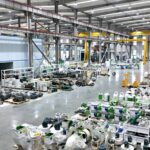
Working with a reputable equipment supplier is essential for long-term operational success. Richi manufacture has built a strong reputation in the biomass energy industry by delivering high-performance pellet mills backed by rigorous quality control, global shipping capabilities, and dedicated technical support teams.
Established manufacturers invest heavily in R&D to improve die wear resistance, reduce vibration, and optimize compression ratios — all of which translate directly into lower downtime and higher output quality for the end user.
Maintenance Tips for Long-Term Performance
To keep your biomass pellet mill operating at peak efficiency:
- Lubricate bearings regularly according to the manufacturer’s schedule.
- Inspect die and roller surfaces for uneven wear patterns, which may indicate misalignment or suboptimal material moisture.
- Monitor motor temperature during extended production runs to prevent overheating.
- Clean the feed chamber after each production cycle to prevent material buildup and cross-contamination.
Final Thoughts
A high-quality biomass pellet mill is the cornerstone of any successful pellet production operation. Whether you are setting up a small-scale rural energy facility or scaling a large commercial pellet manufacturing plant, the right machine makes all the difference. For technical specifications, pricing, and customized solutions, explore this link and connect with the experts at Richi manufacture to find the best fit for your business needs.
https://www.richimanufacture.com/biomass-pellet-making-machine/